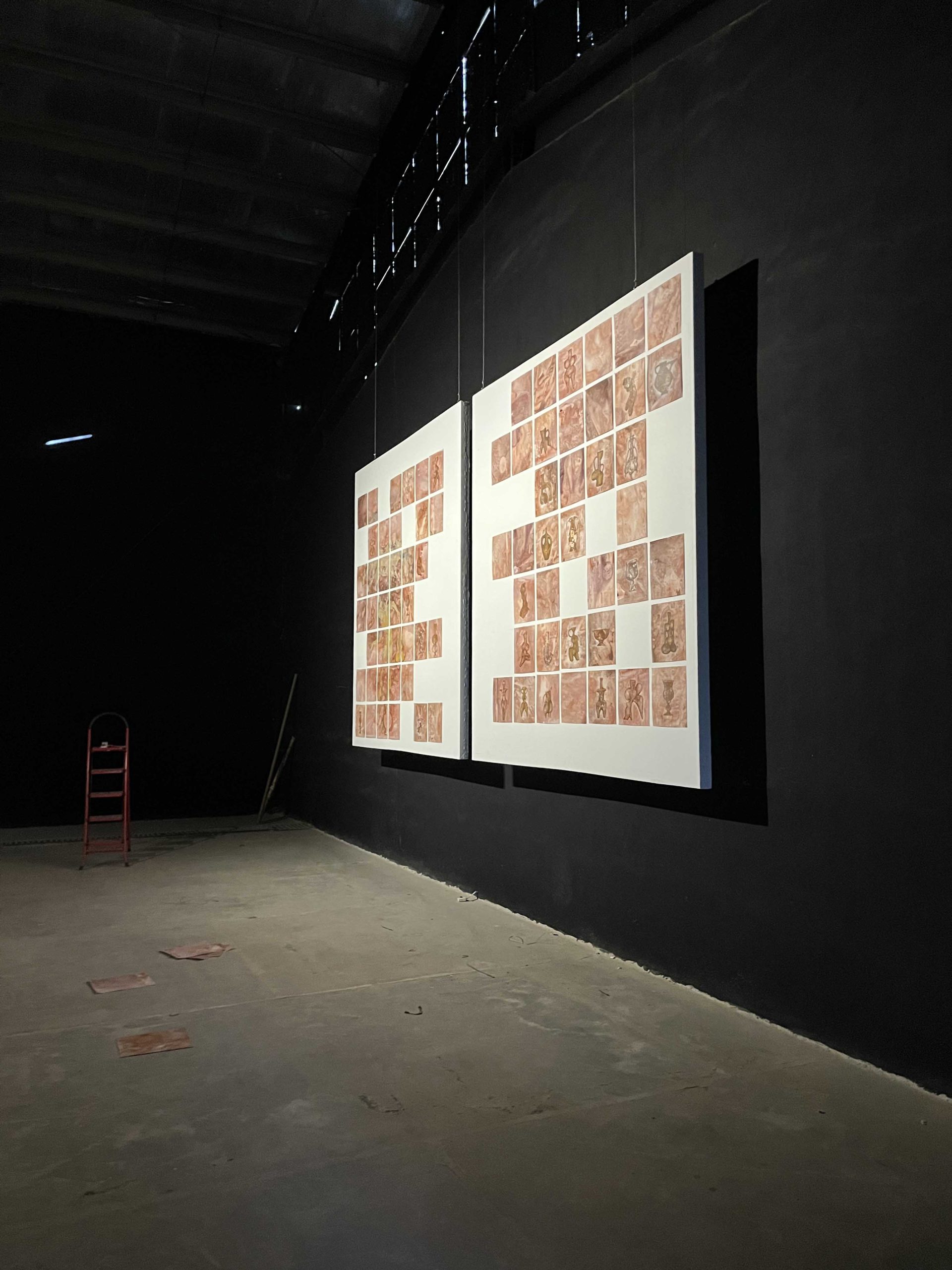
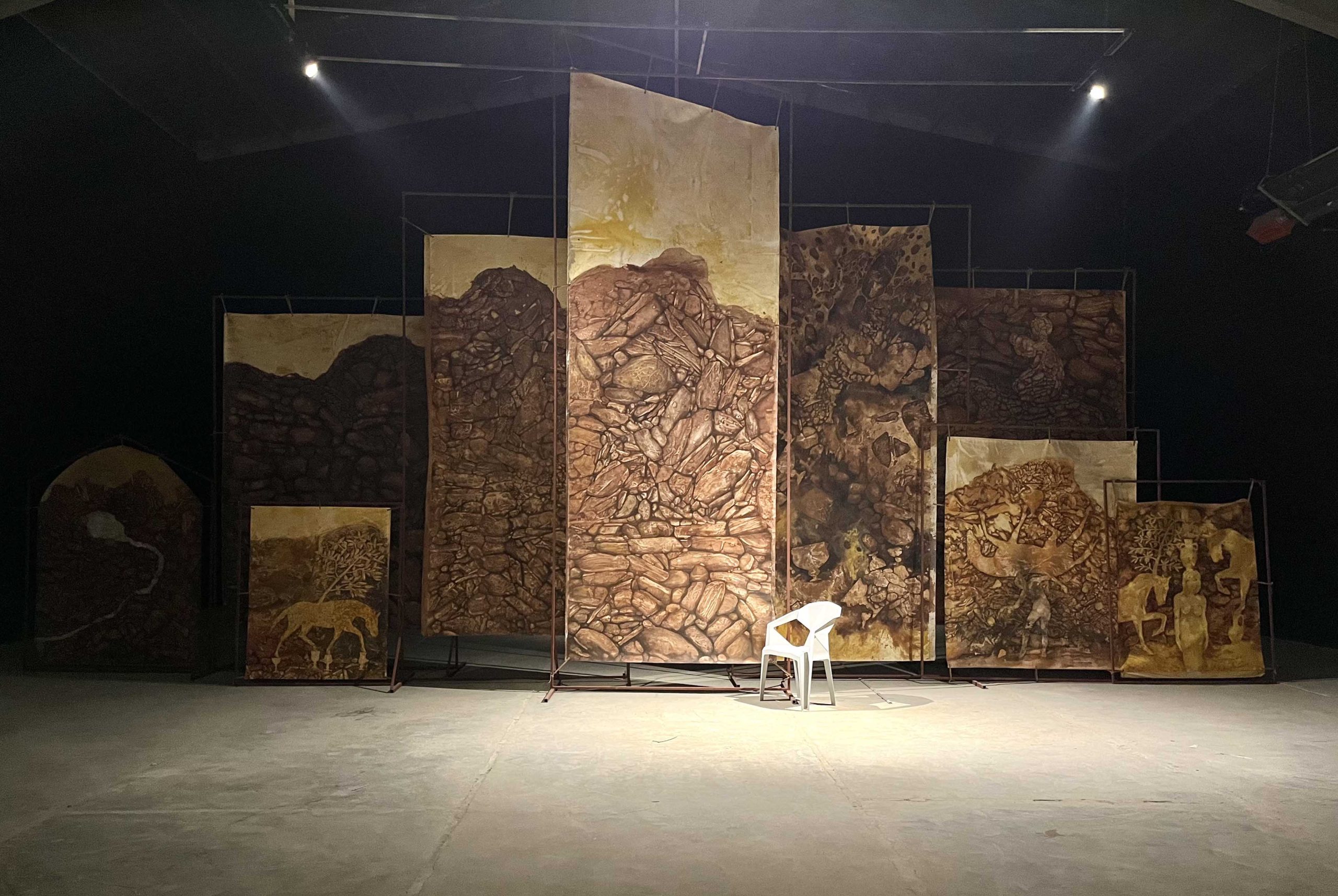
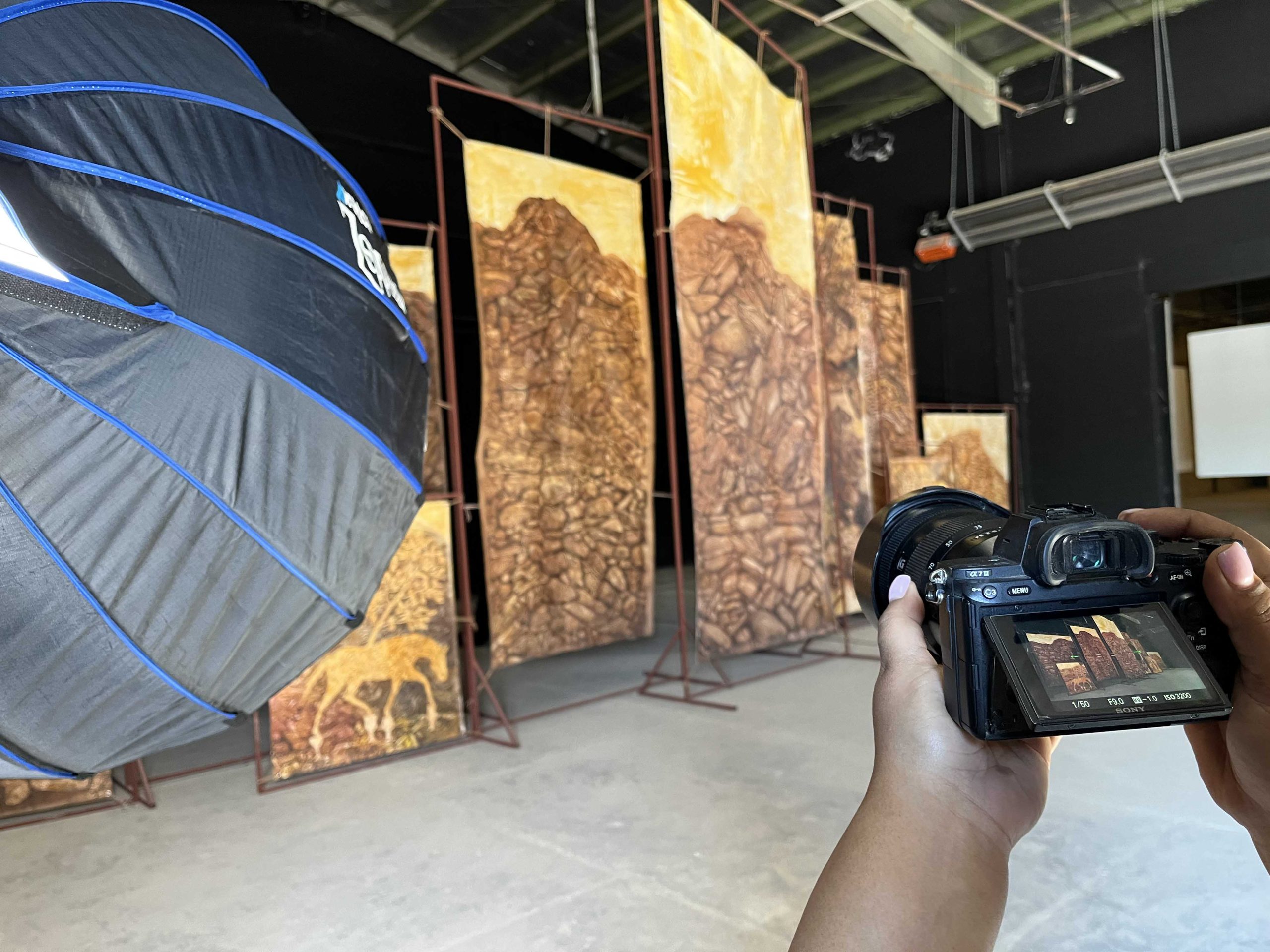
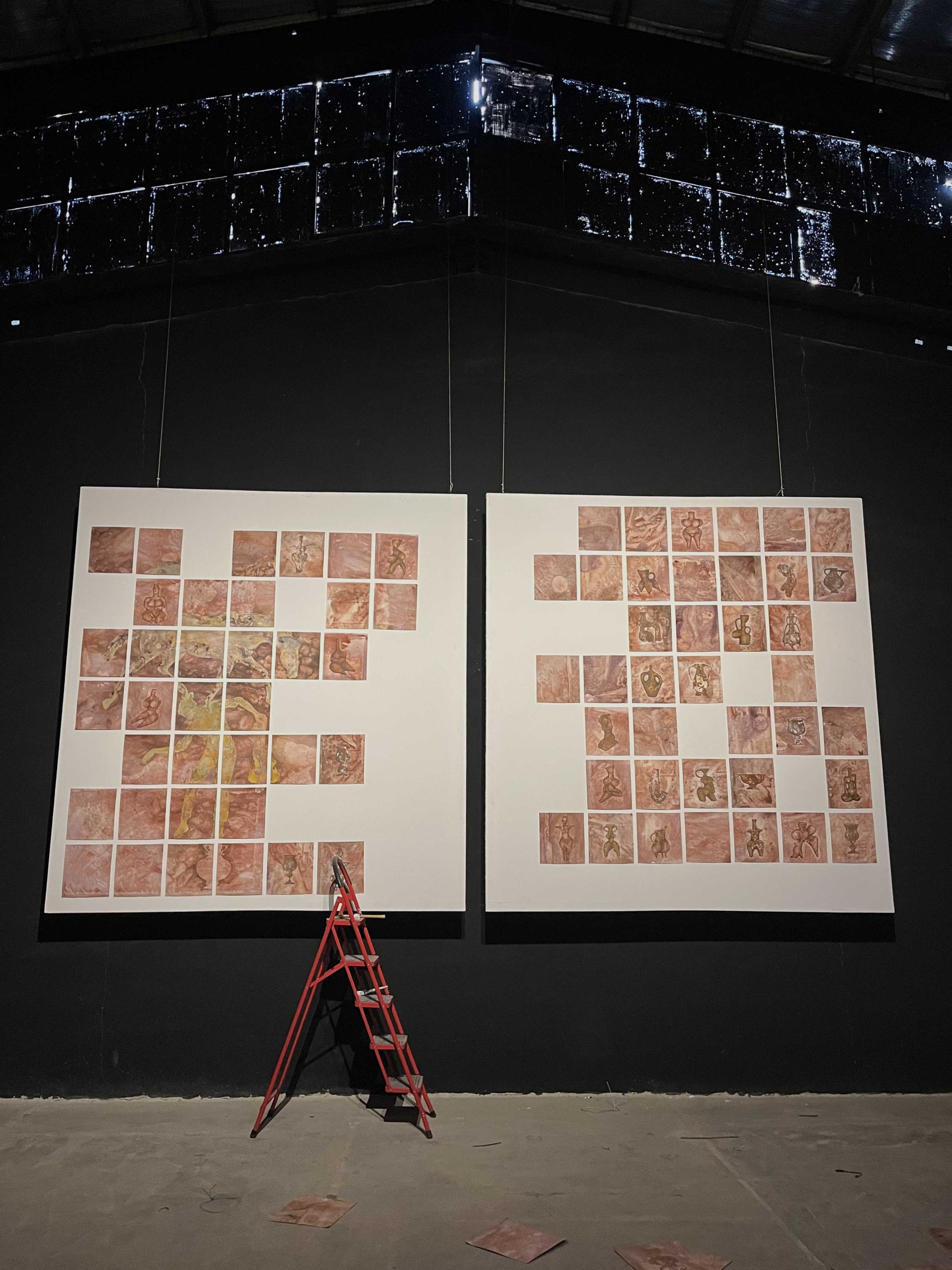
Tisheh (pickax): The Living Landscape of Defiance, 2026
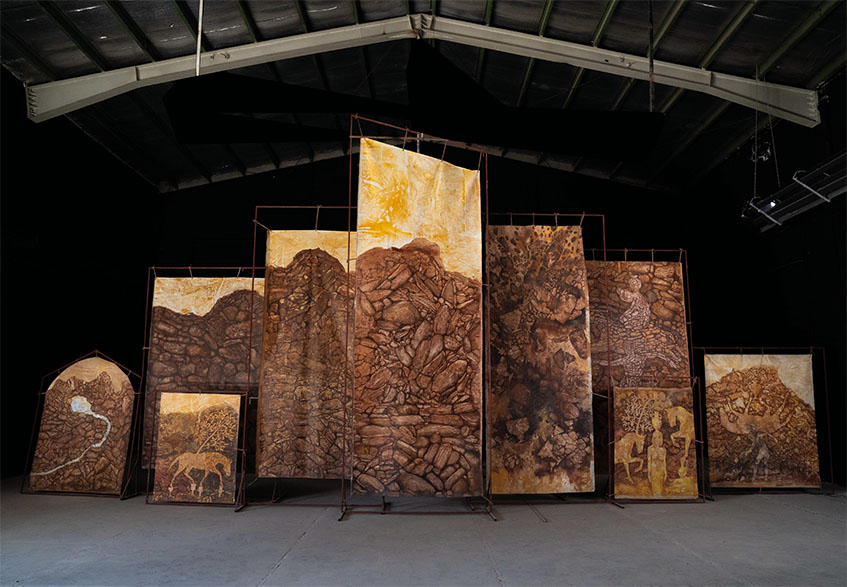
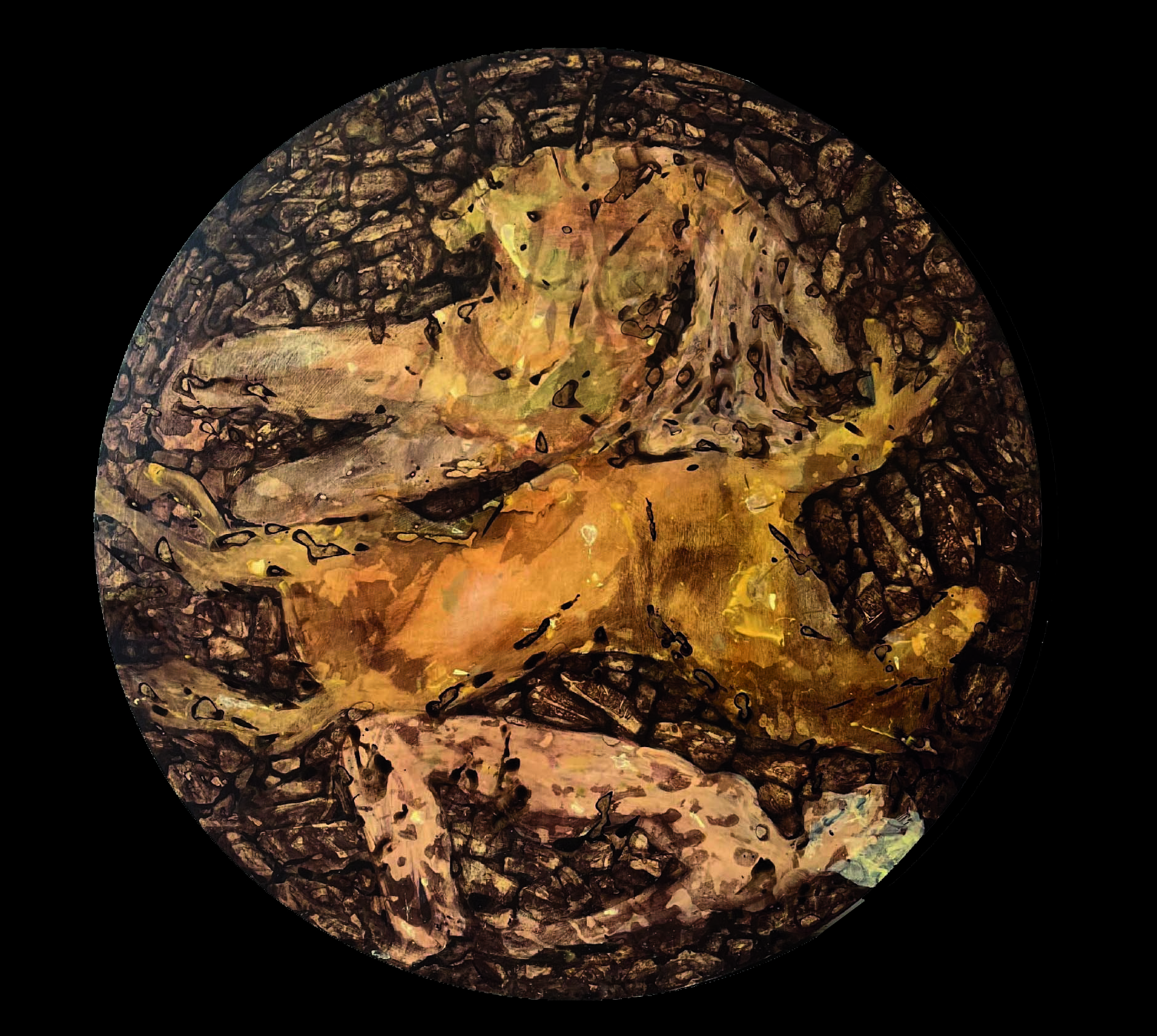
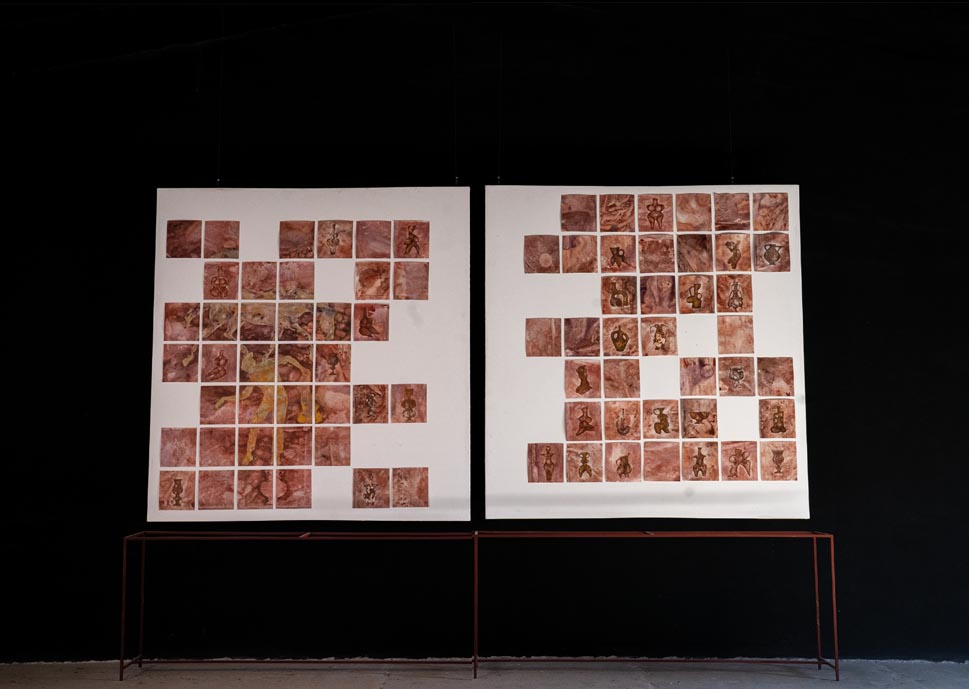
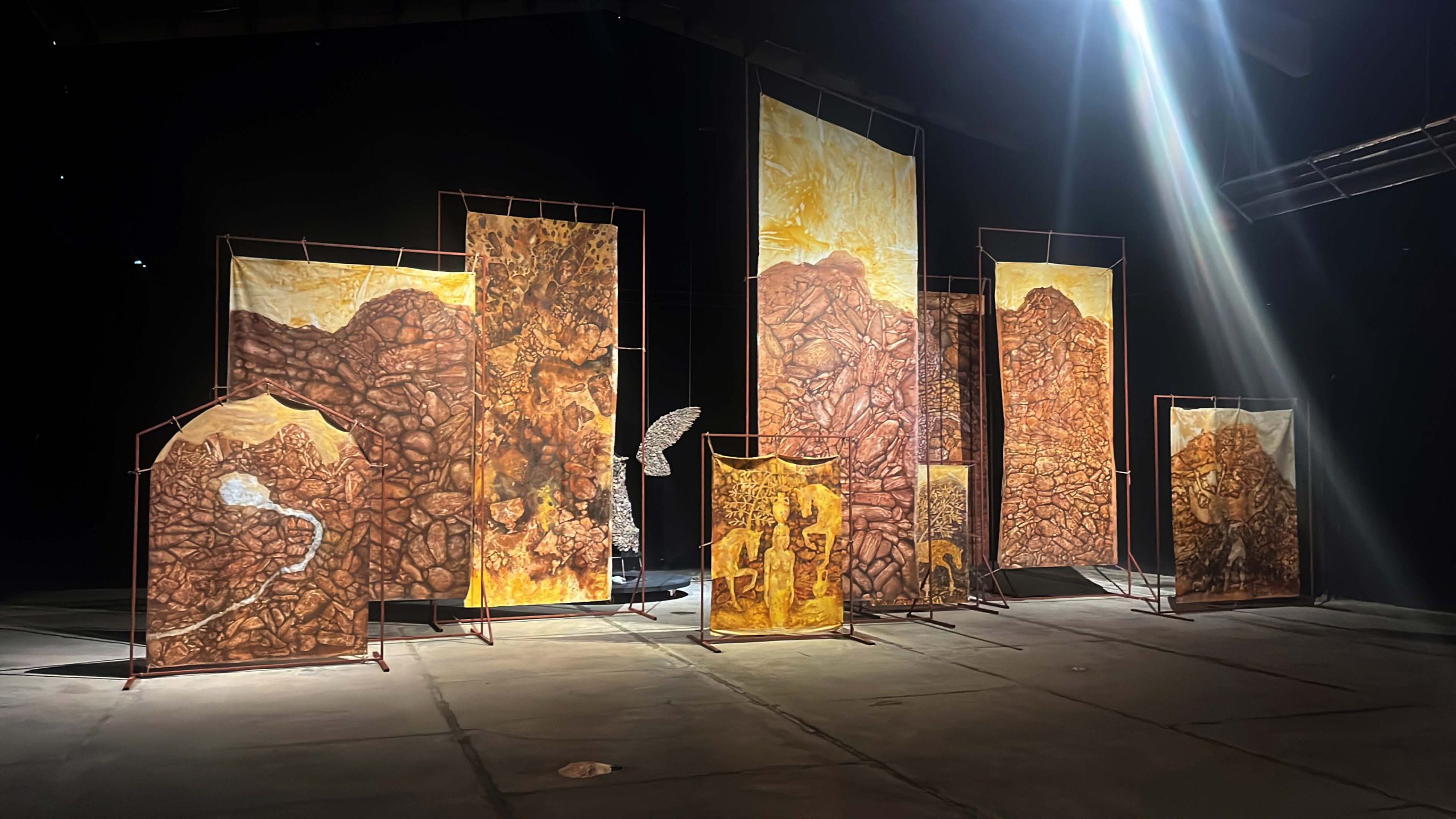
"Tisheh" is a large-scale immersive installation inspired by Nezami Ganjavi’sPersian epic "Khosrow and Shirin", developed through Mitra Soltani’s personal relationship with the Zagros Mountains and her ongoing exploration of landscape, memory, and cultural narratives.The title refers to the chisel of Farhad, the legendary craftsman who attempts to carve through Mount Bisotun. For Soltani, the chisel becomes a metaphor for the relationship between the human hand, material, and the act of creation itself. Farhad embodies the condition of the artist: a figure who continues to create through devotion, labor, and persistence, even when the final goal remains unreachable. His unfinished labor transforms into a lasting narrative of artistic existence.
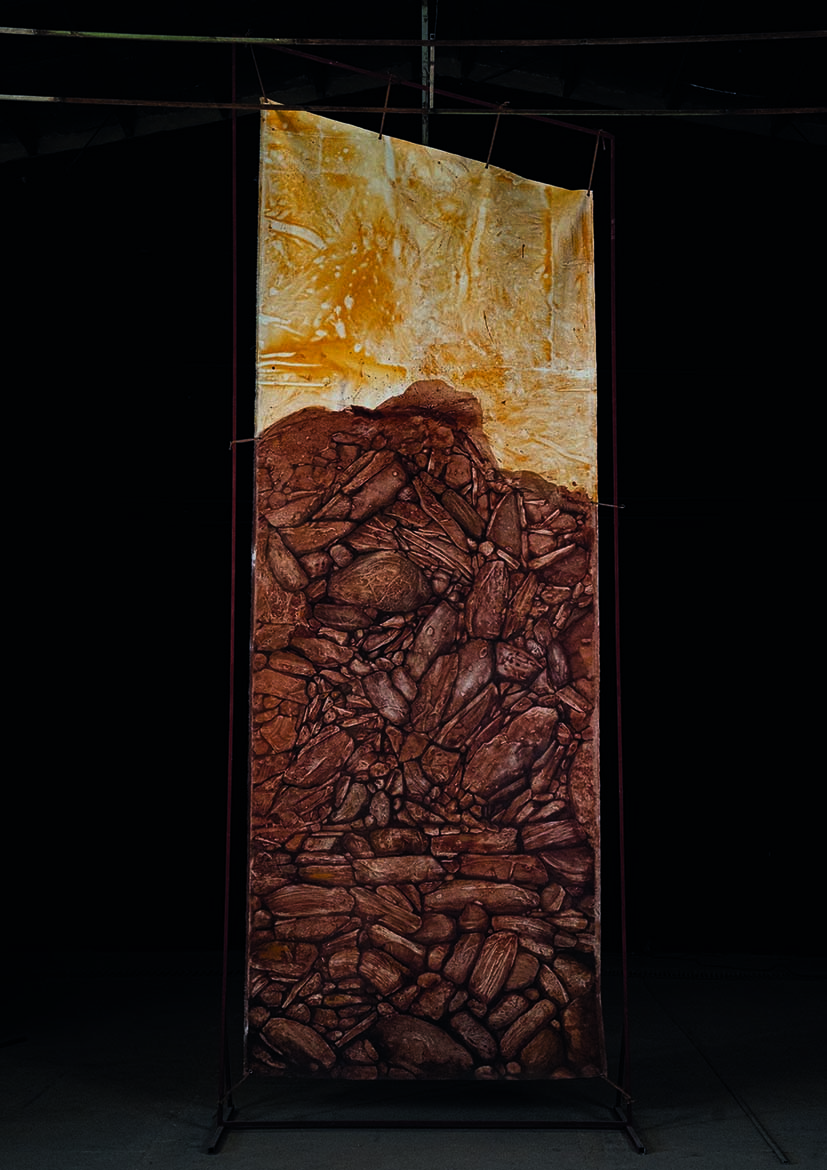
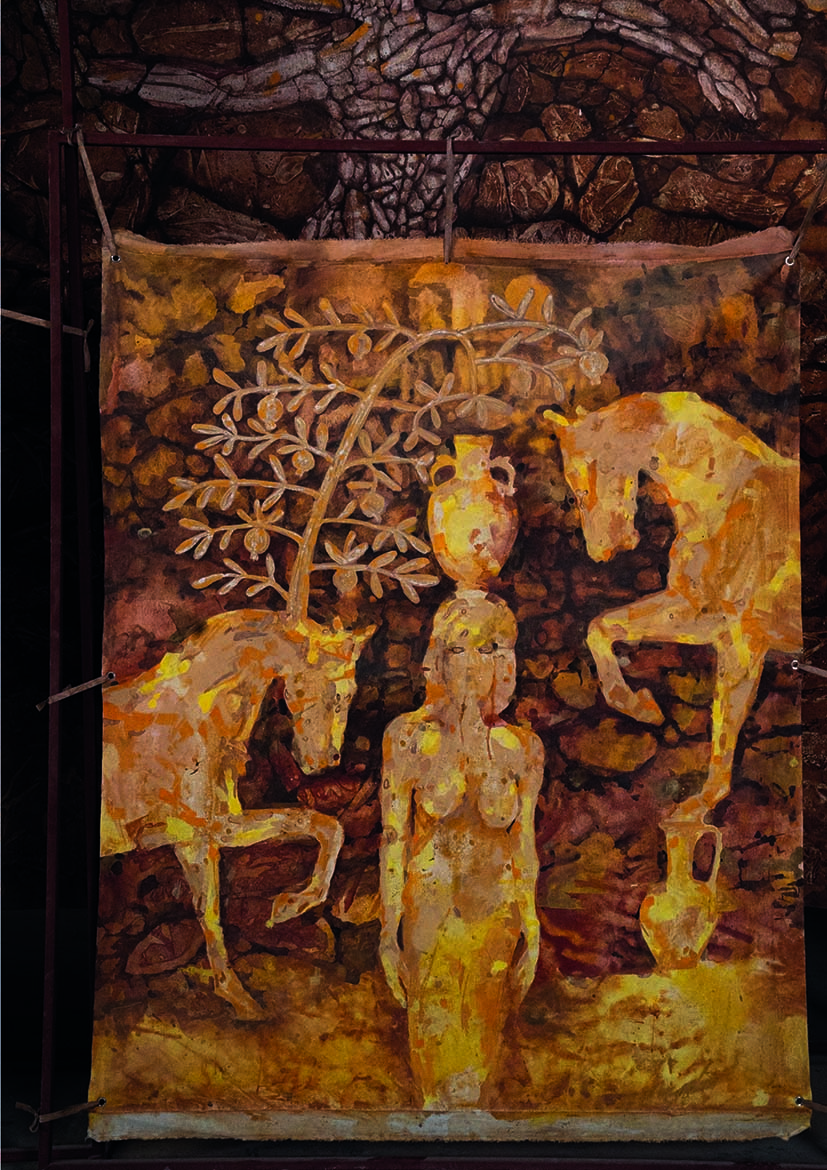
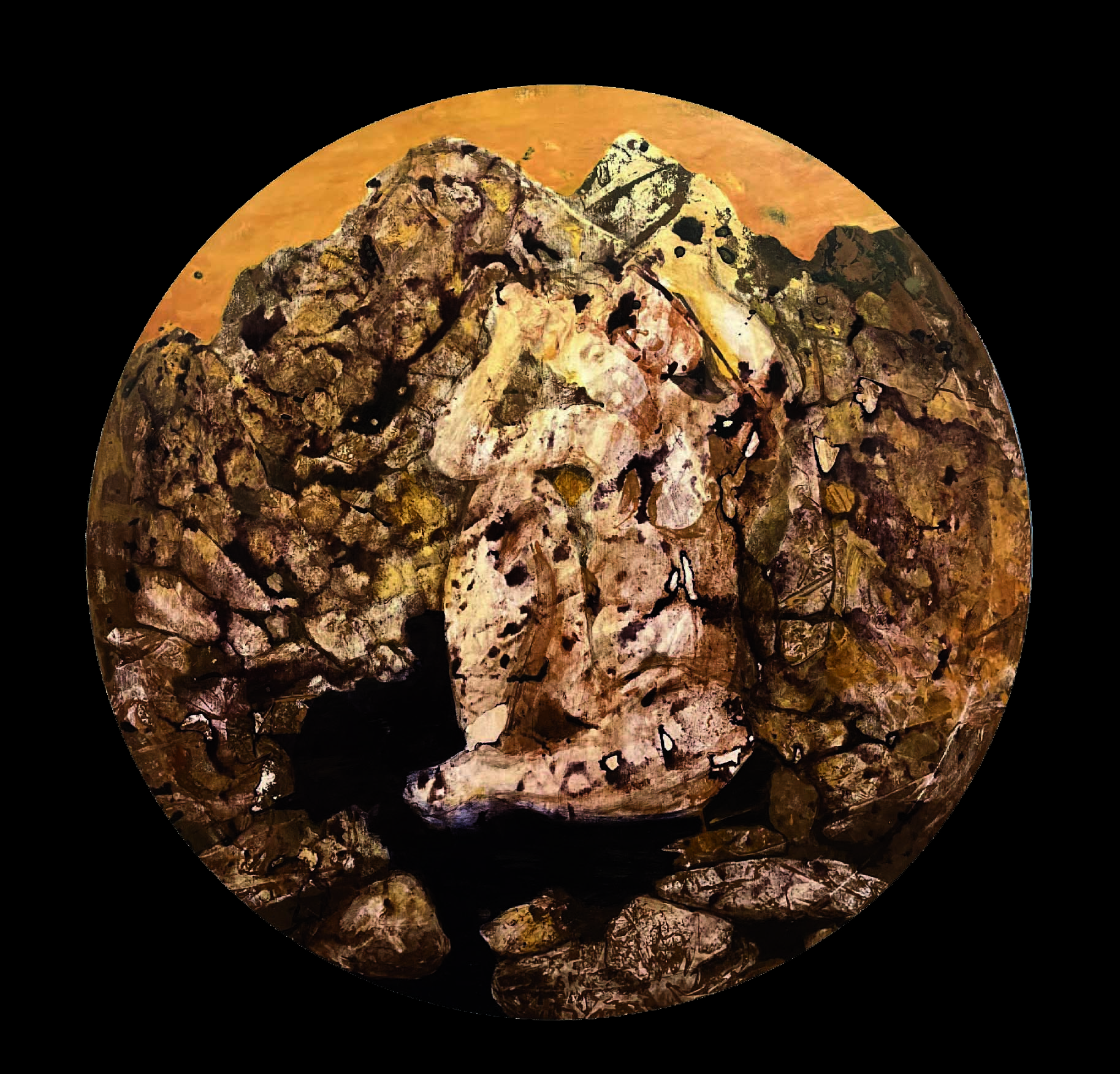
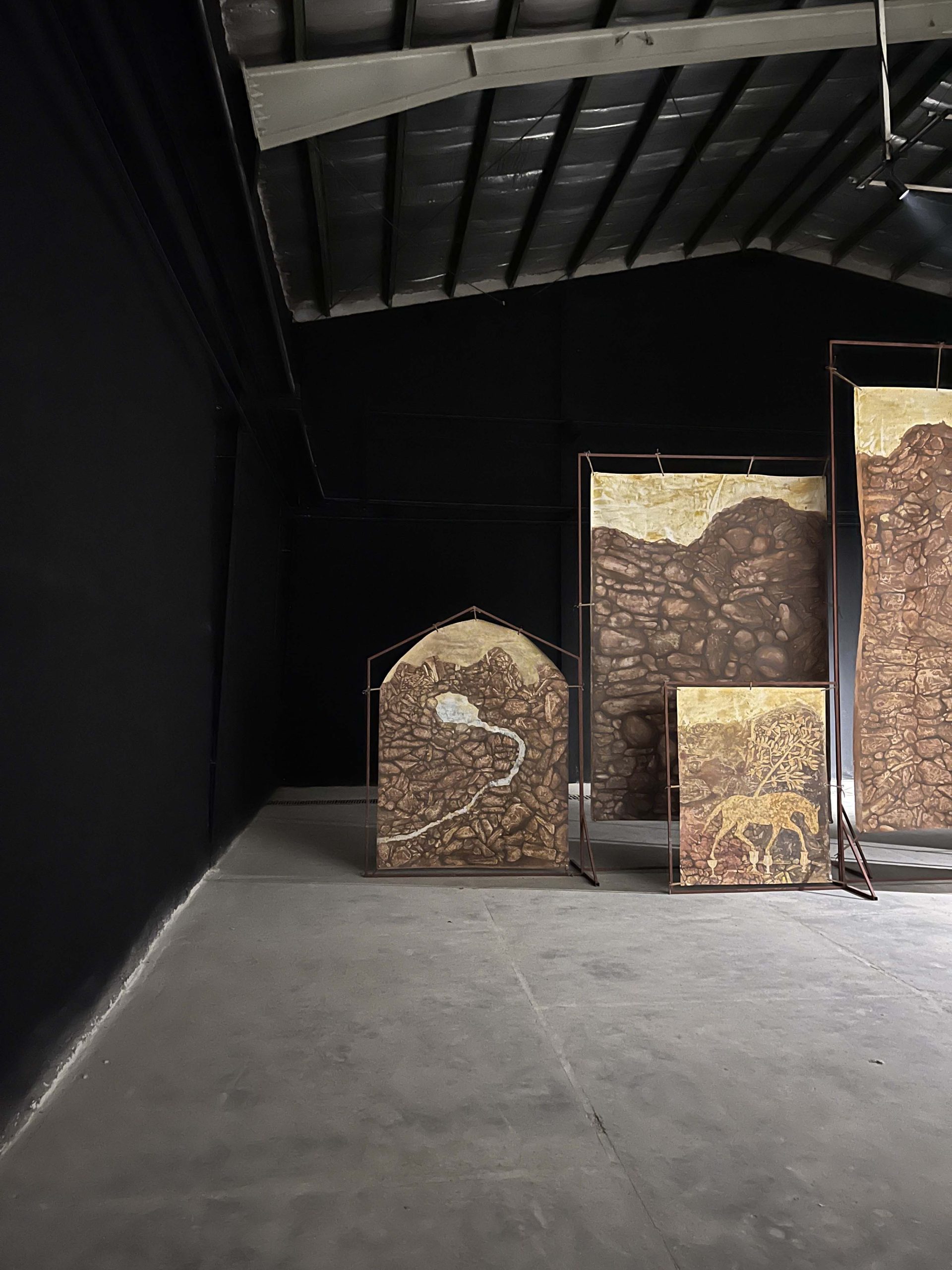
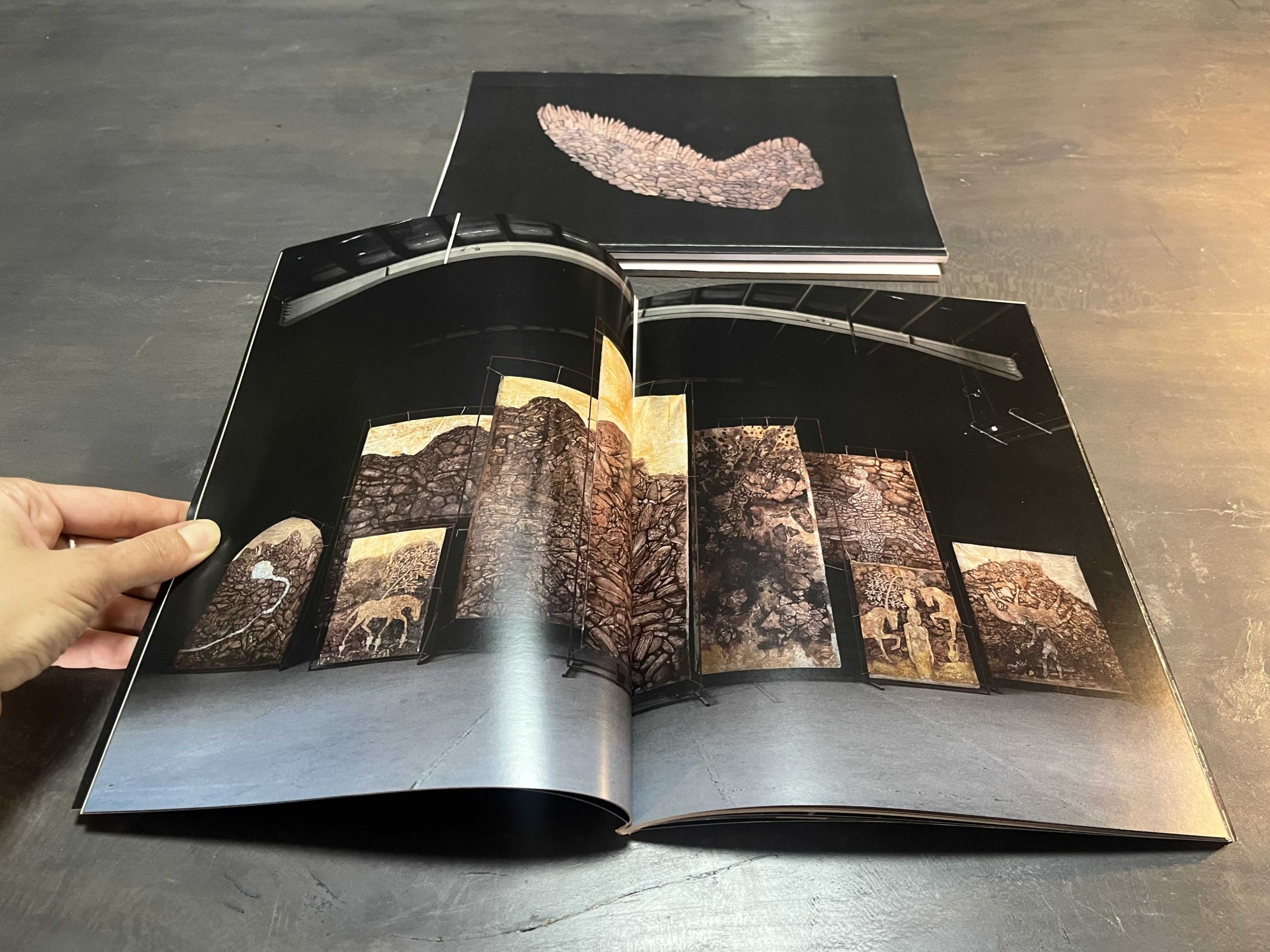
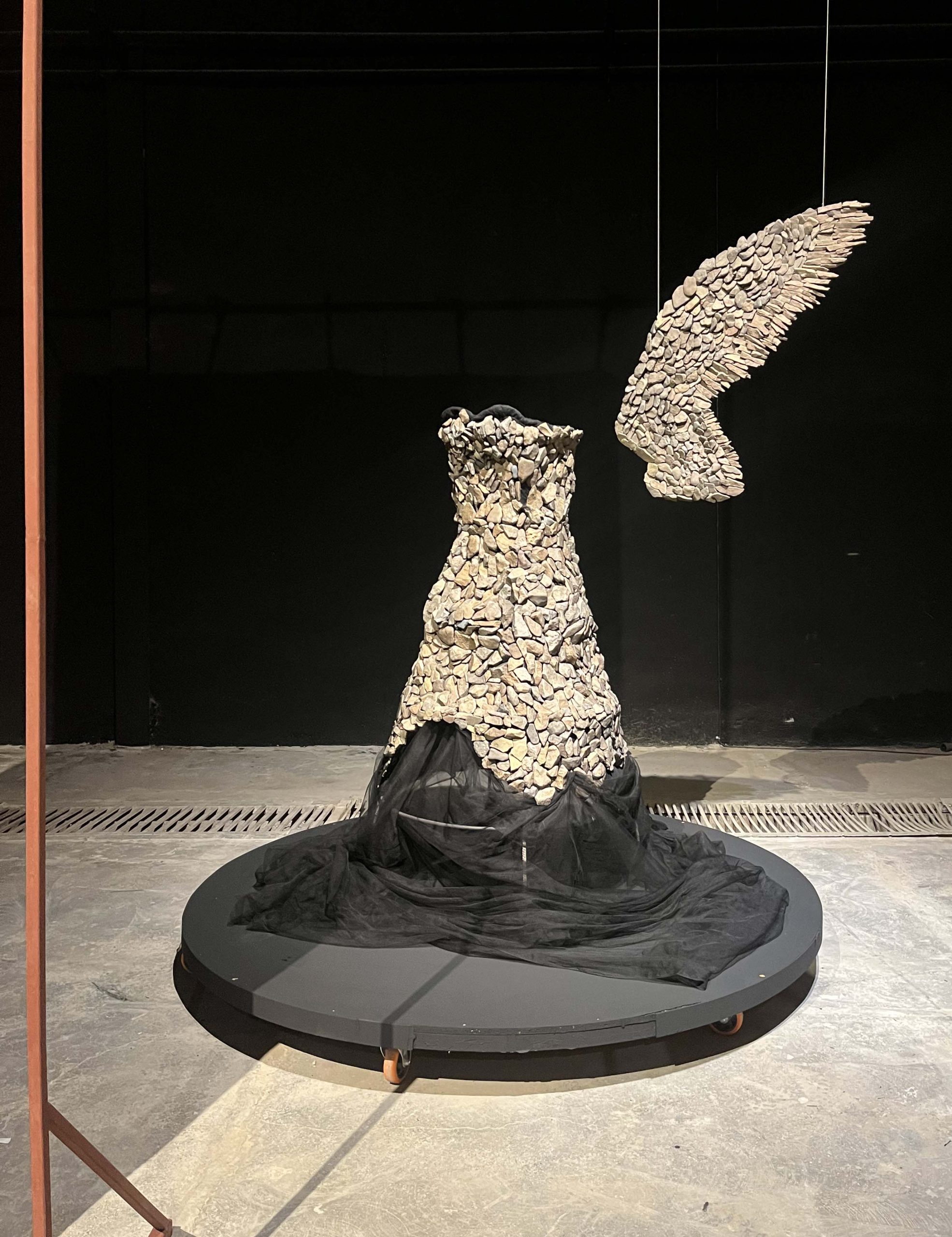
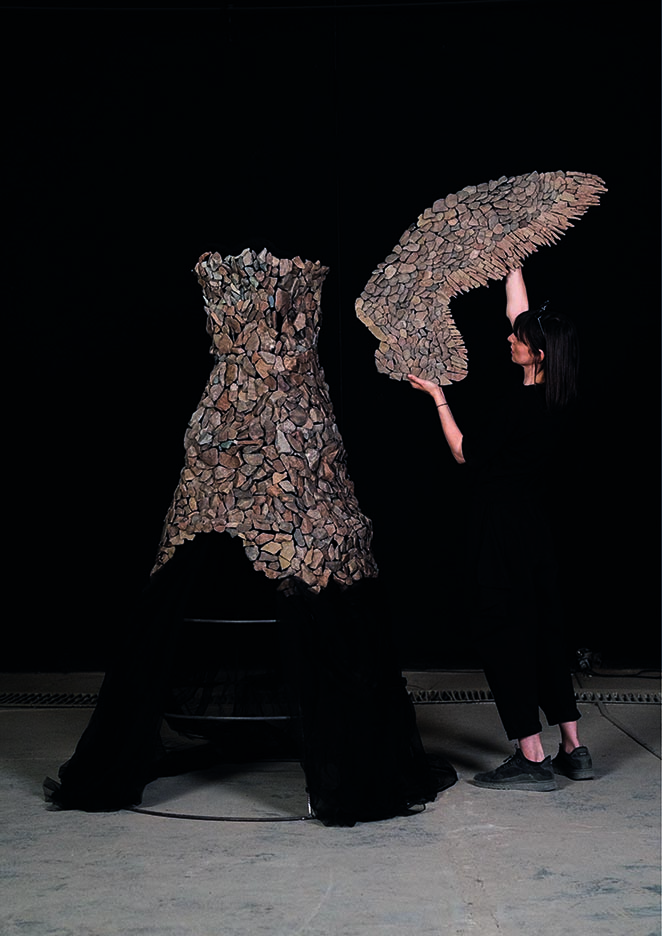
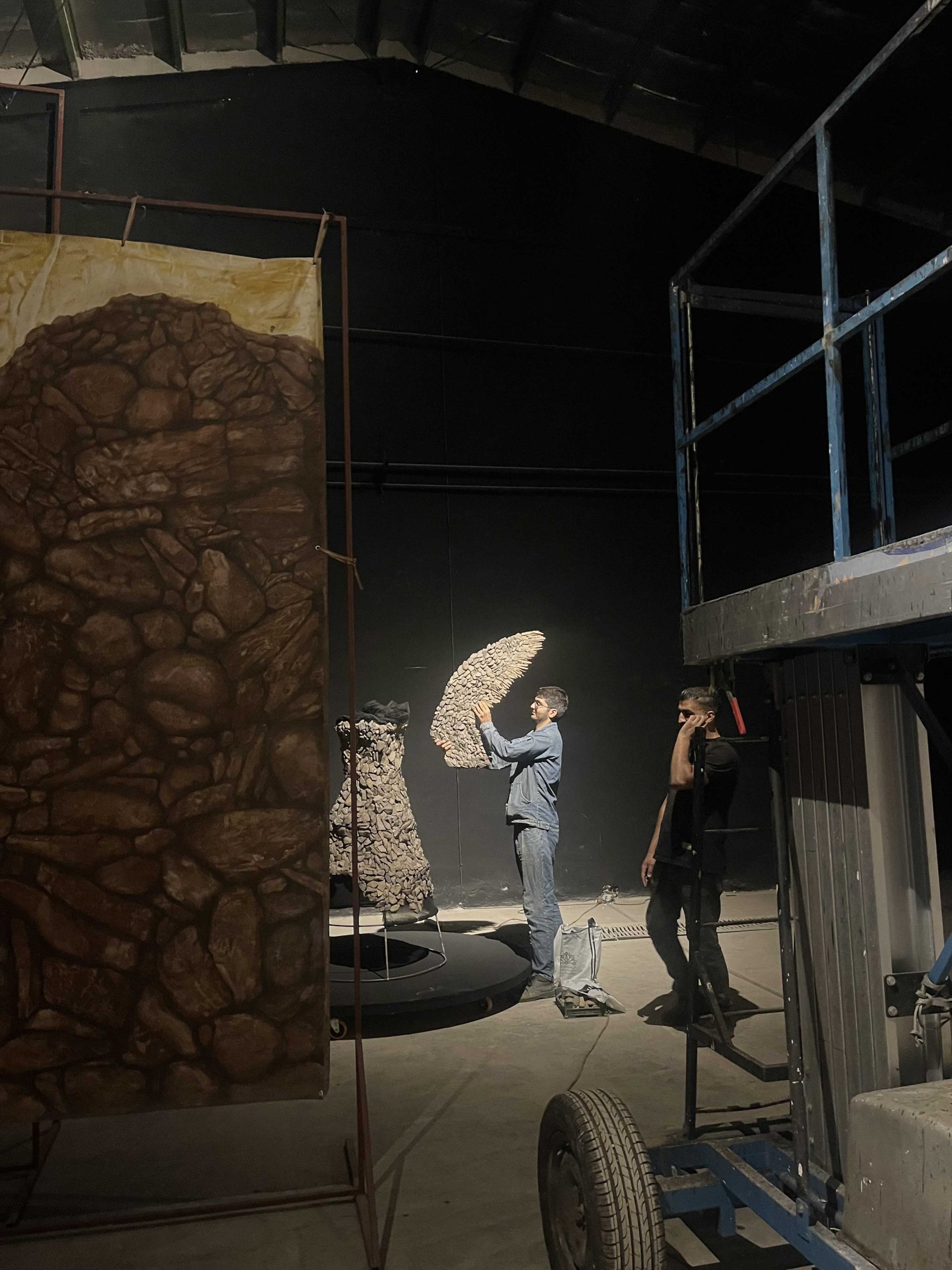
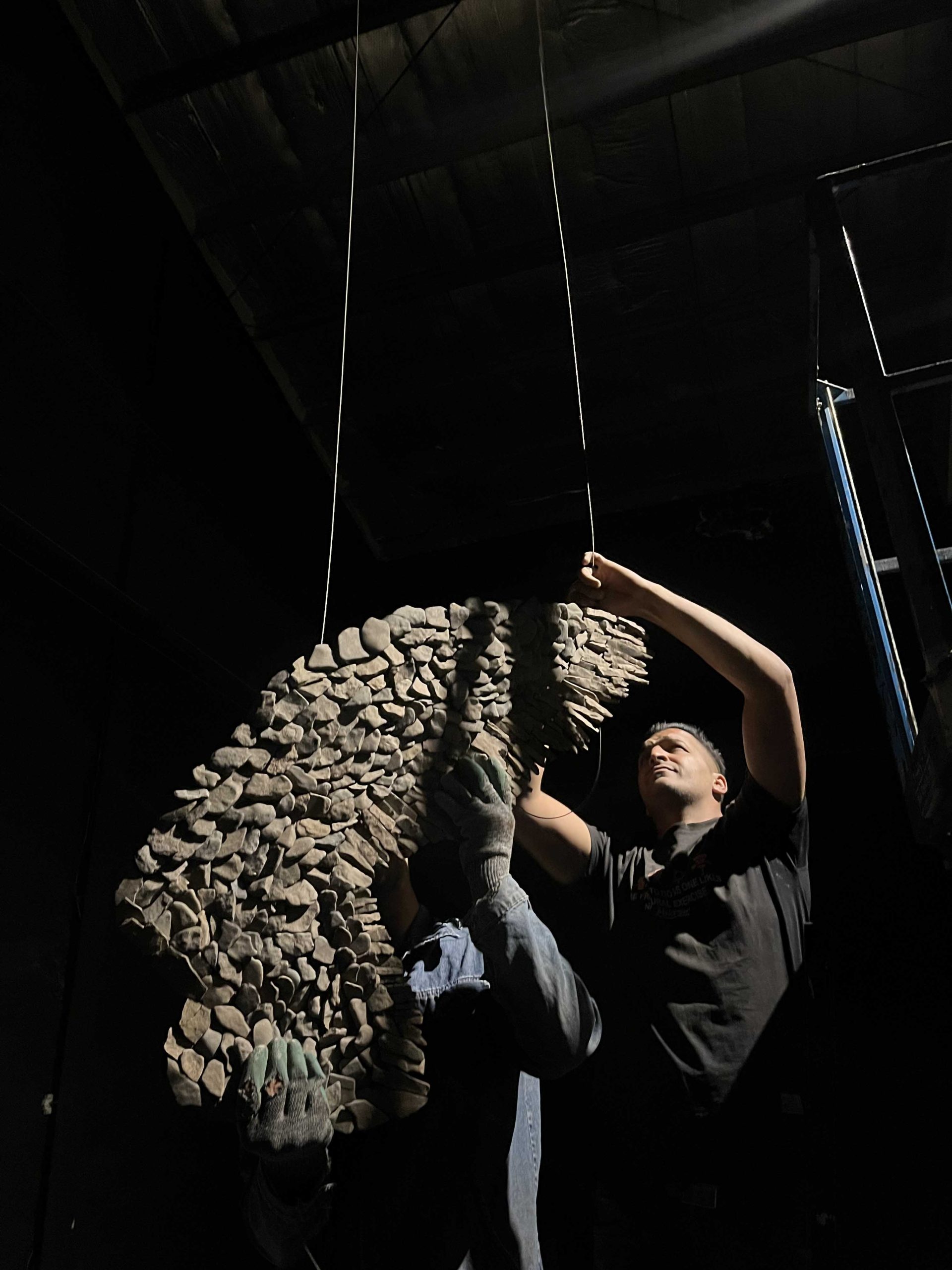
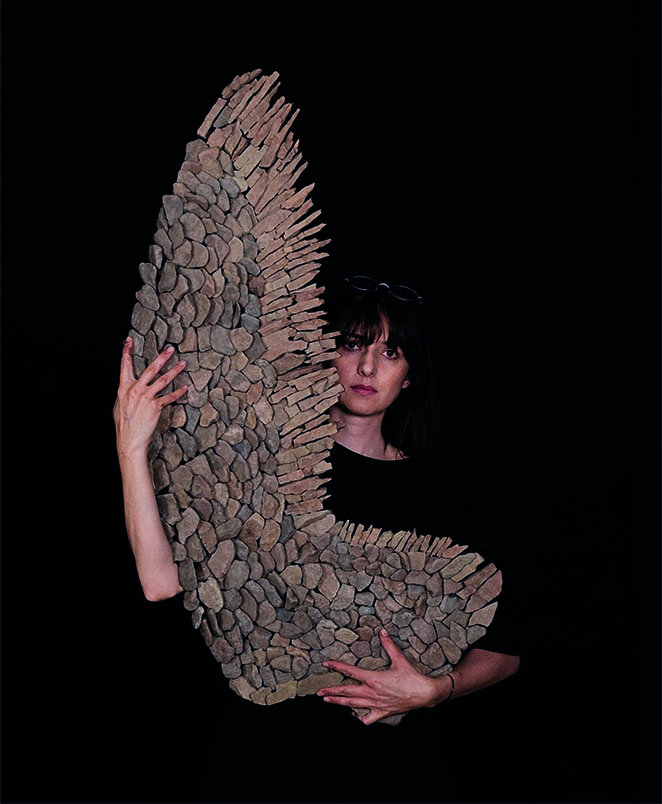
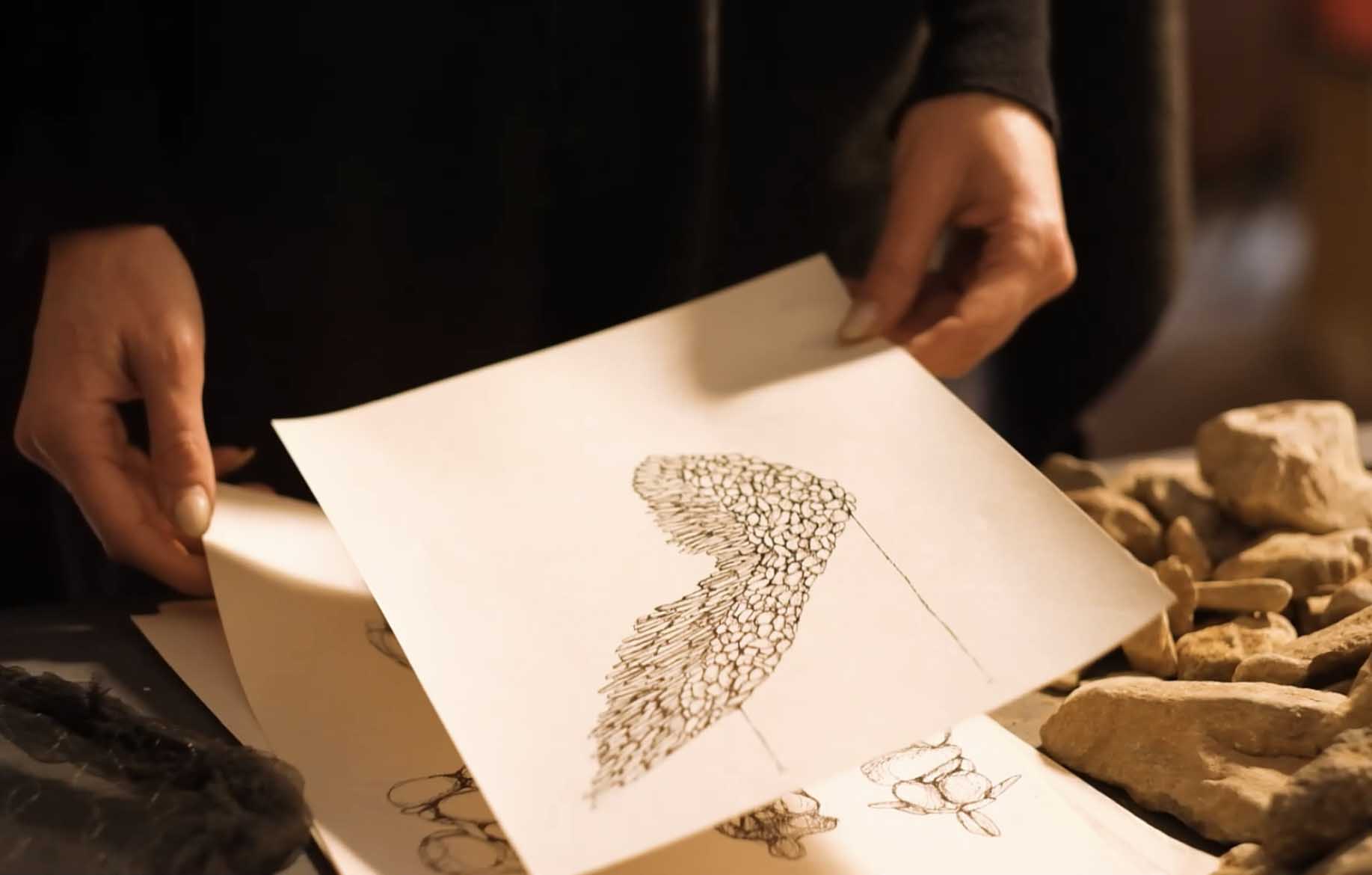
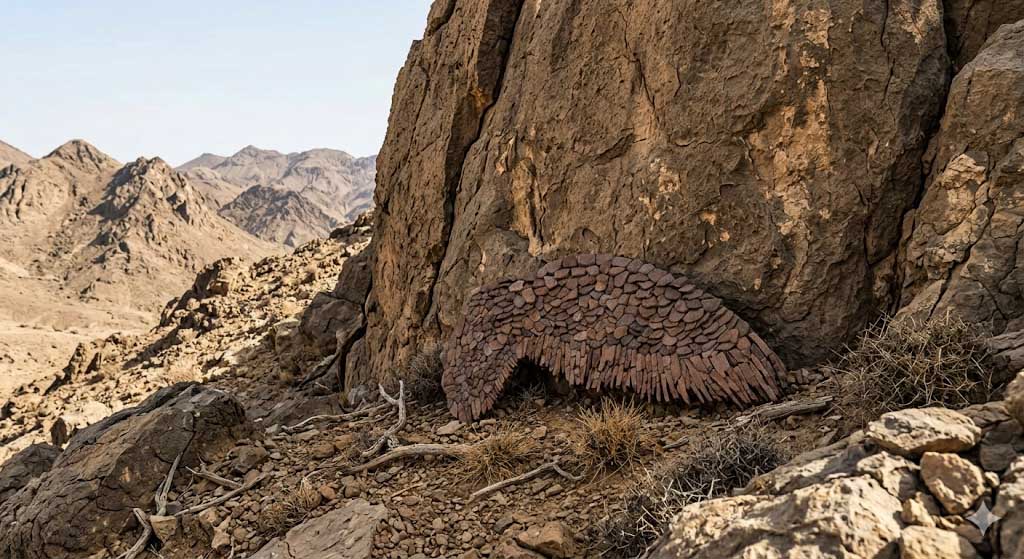
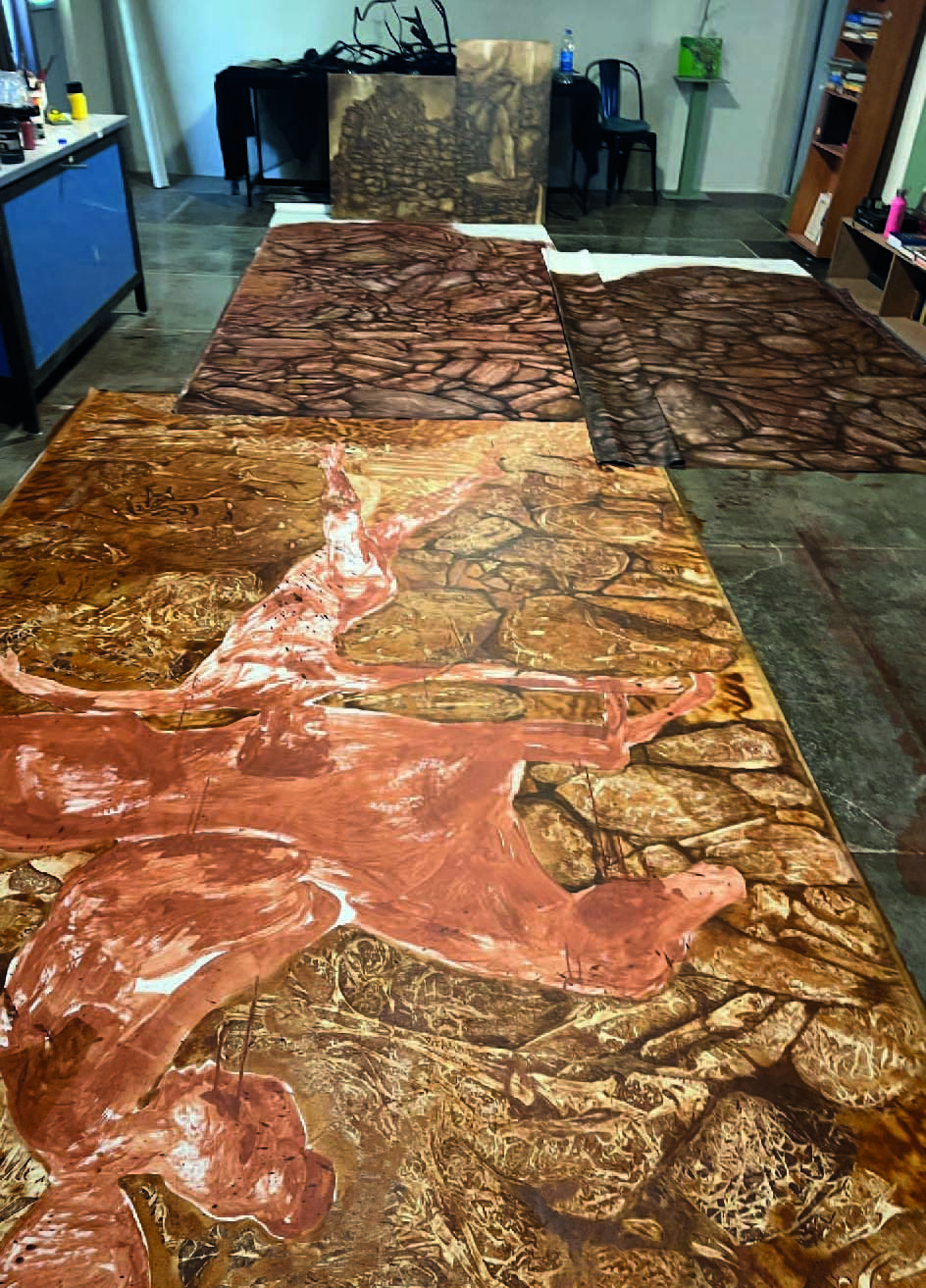
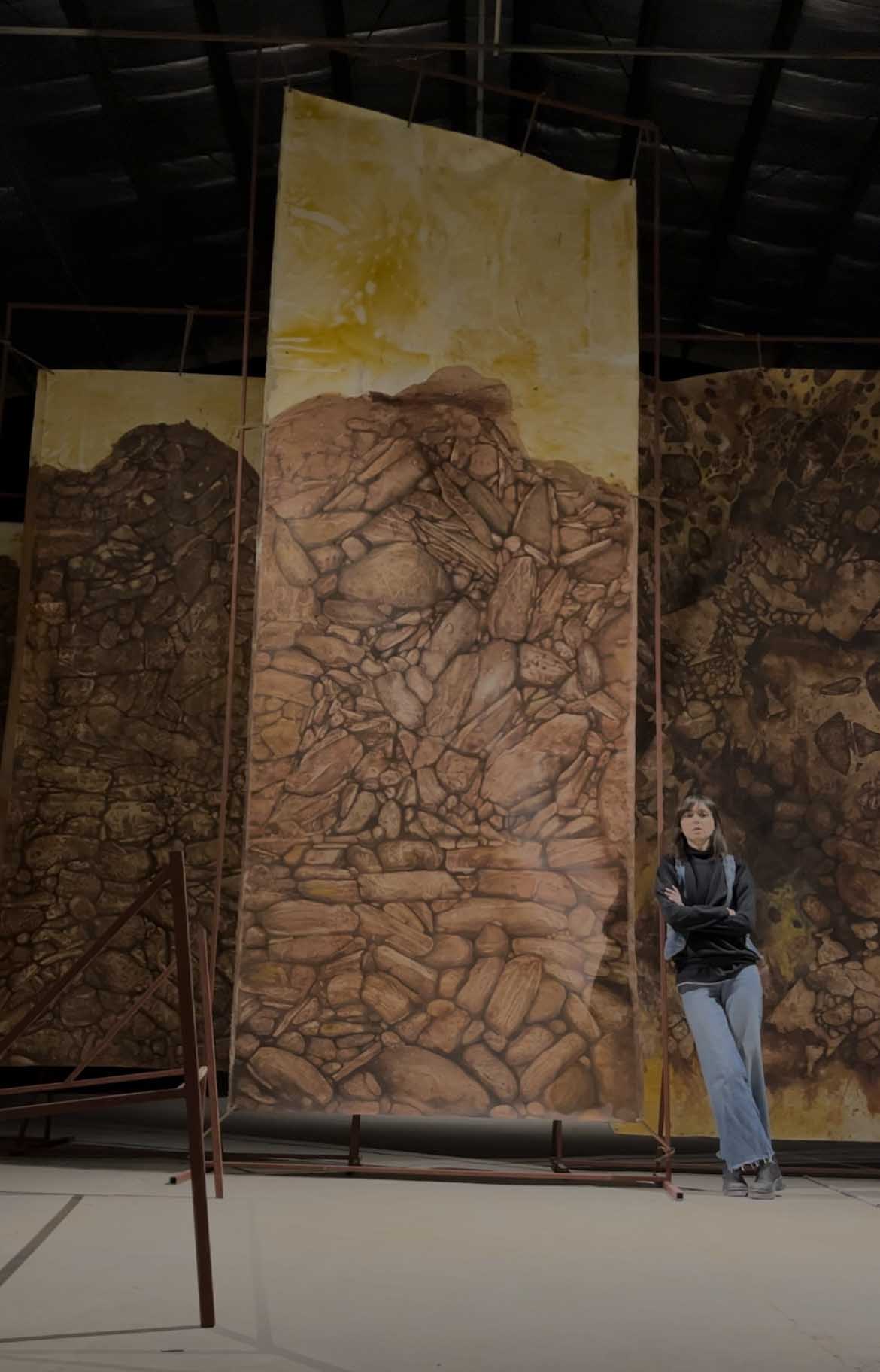
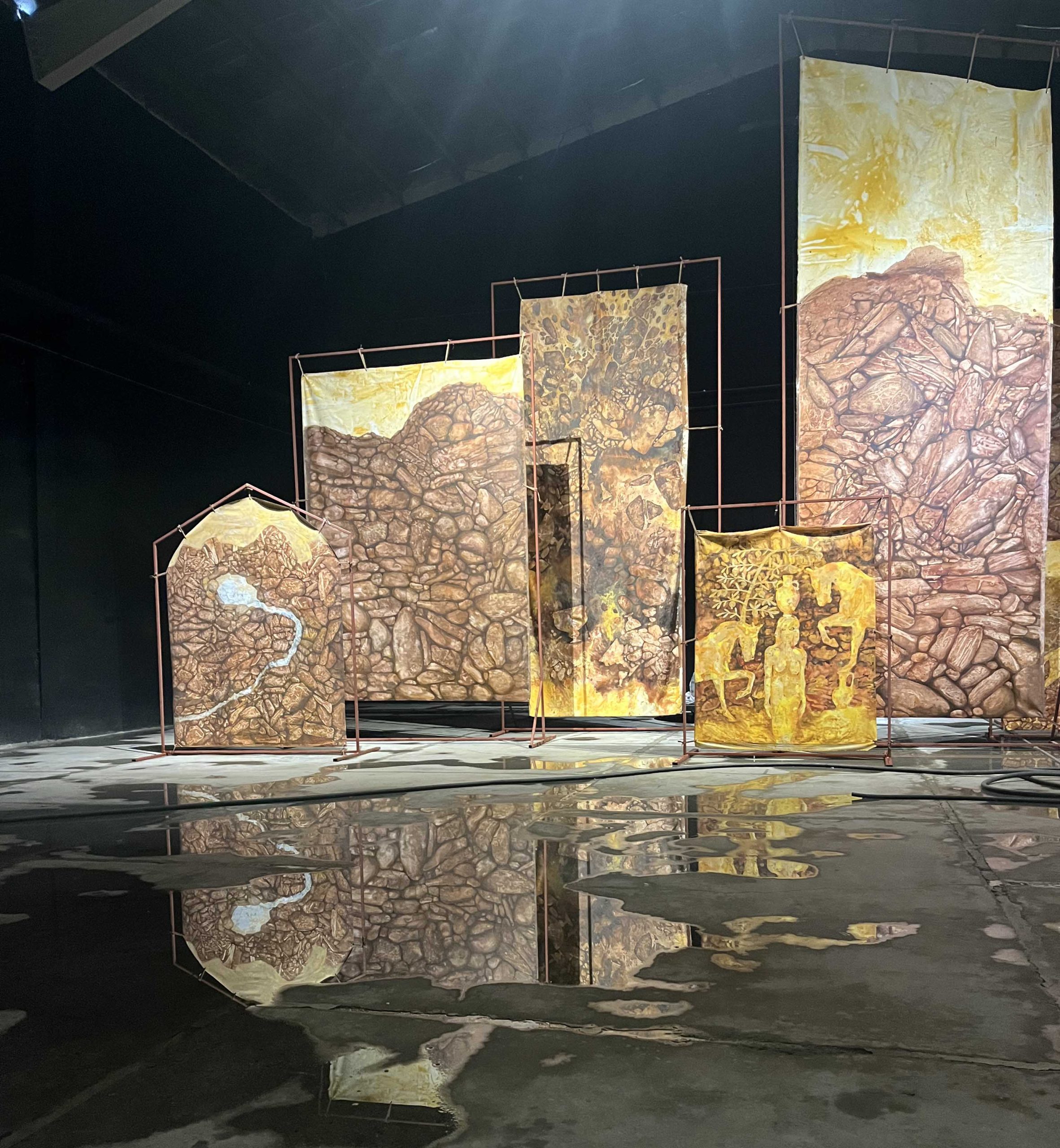
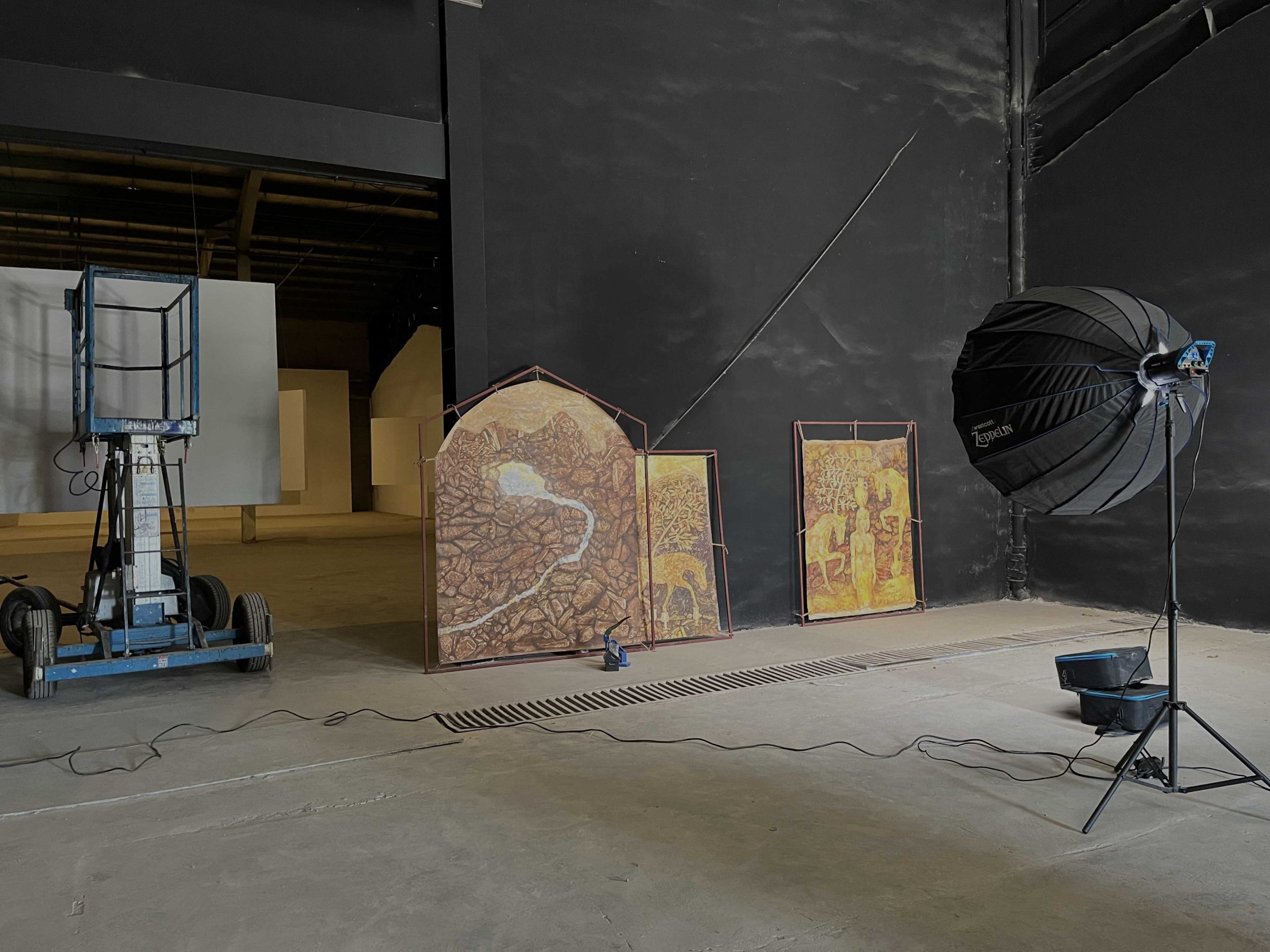
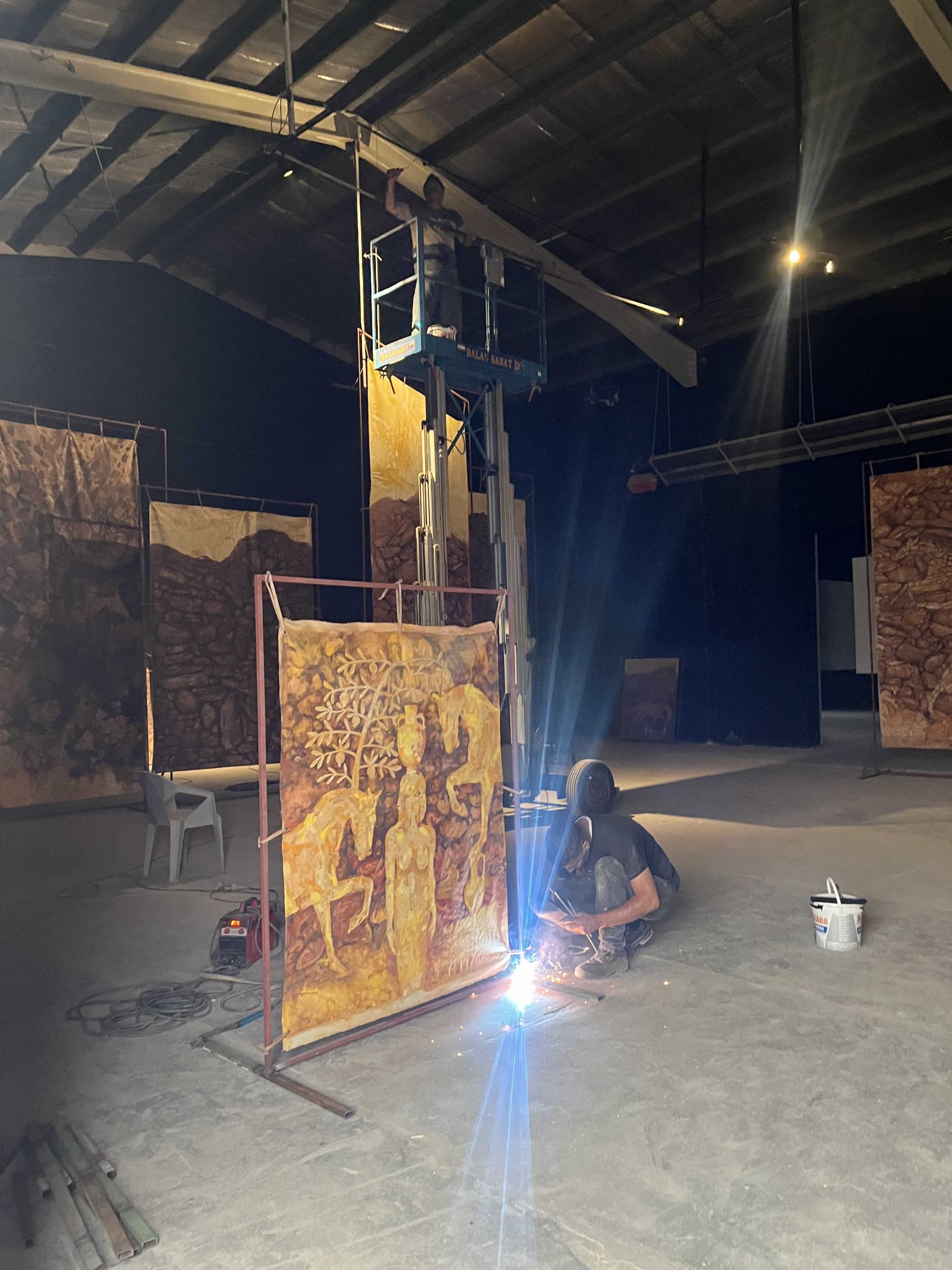
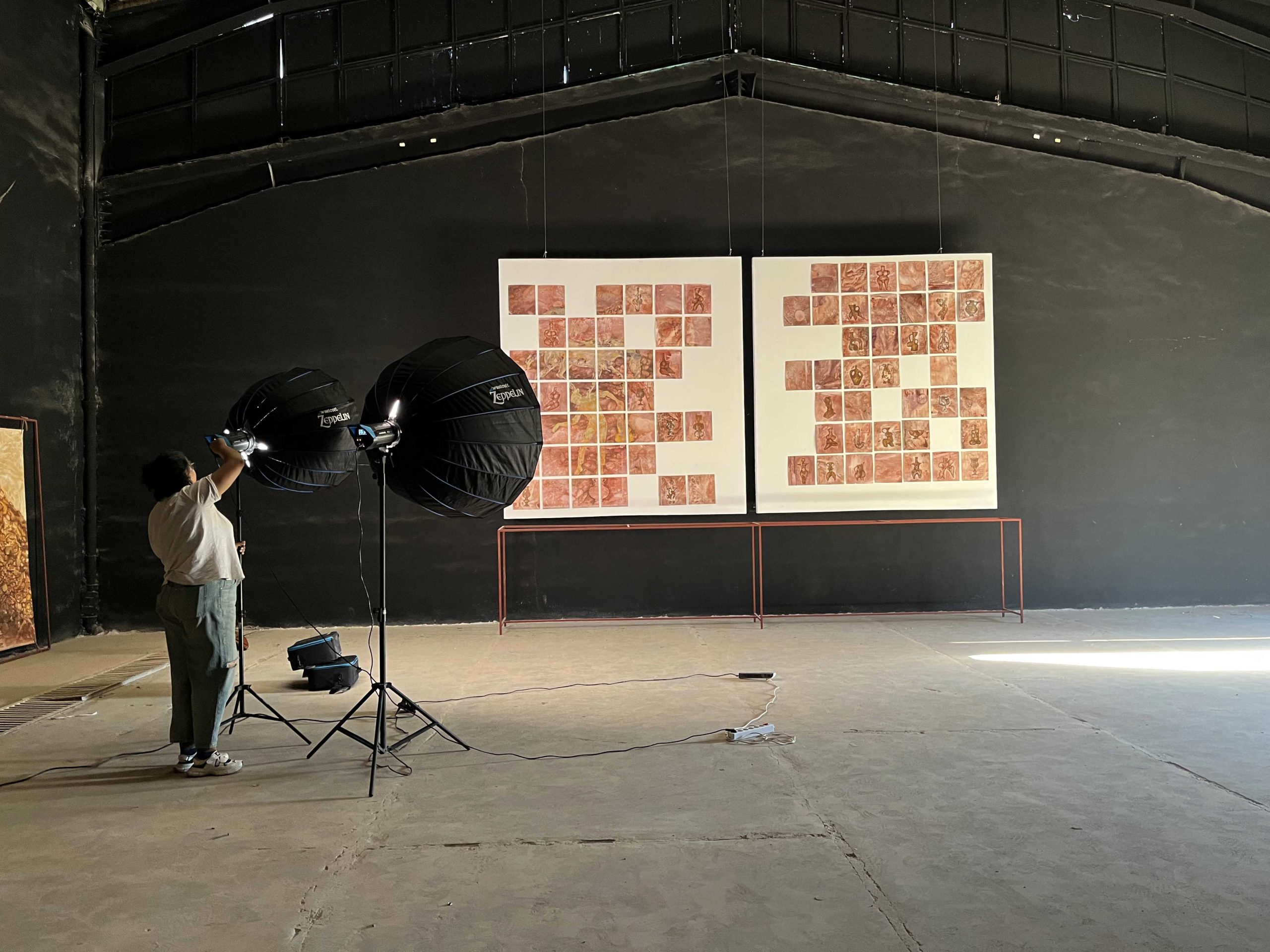
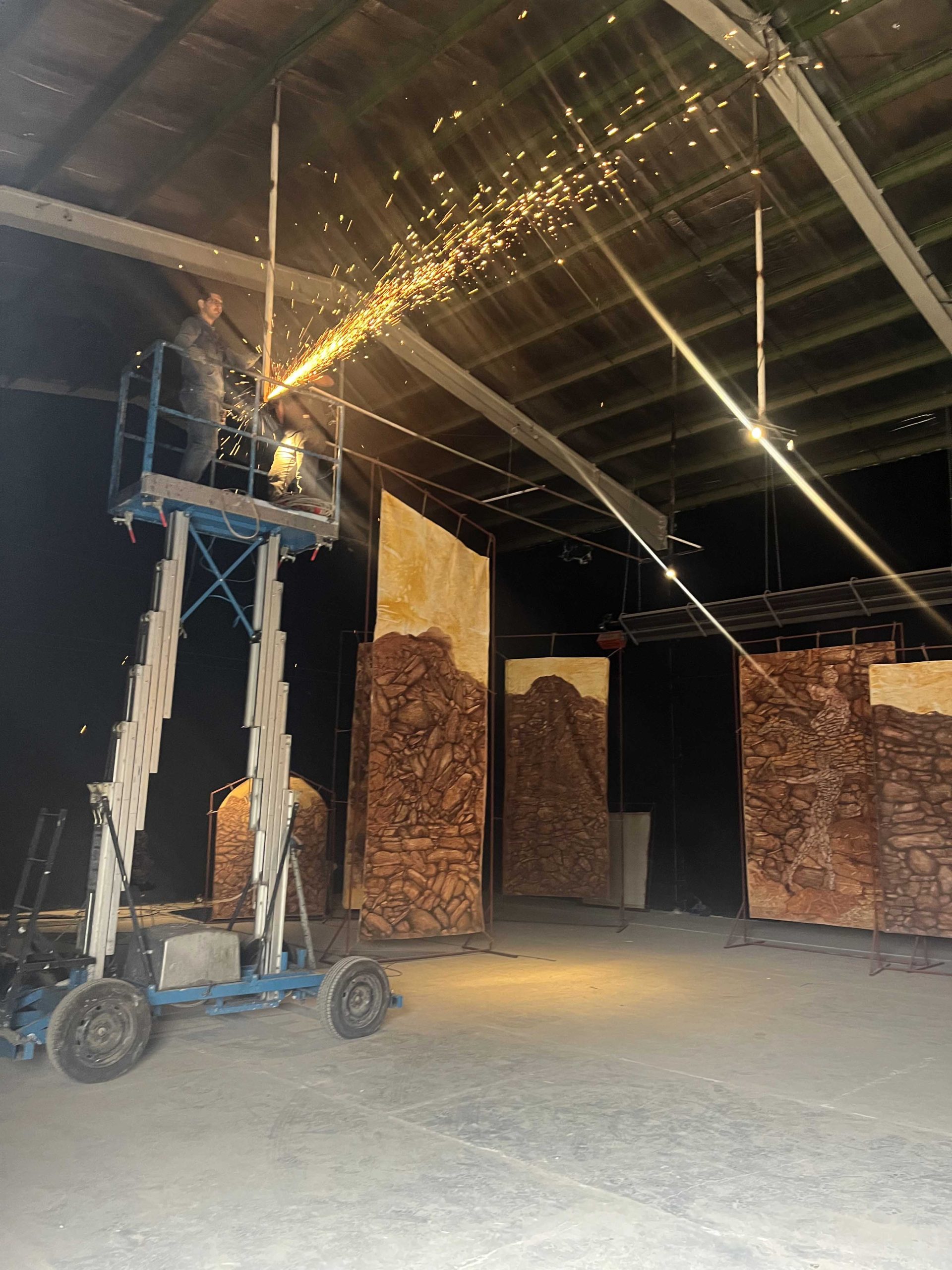
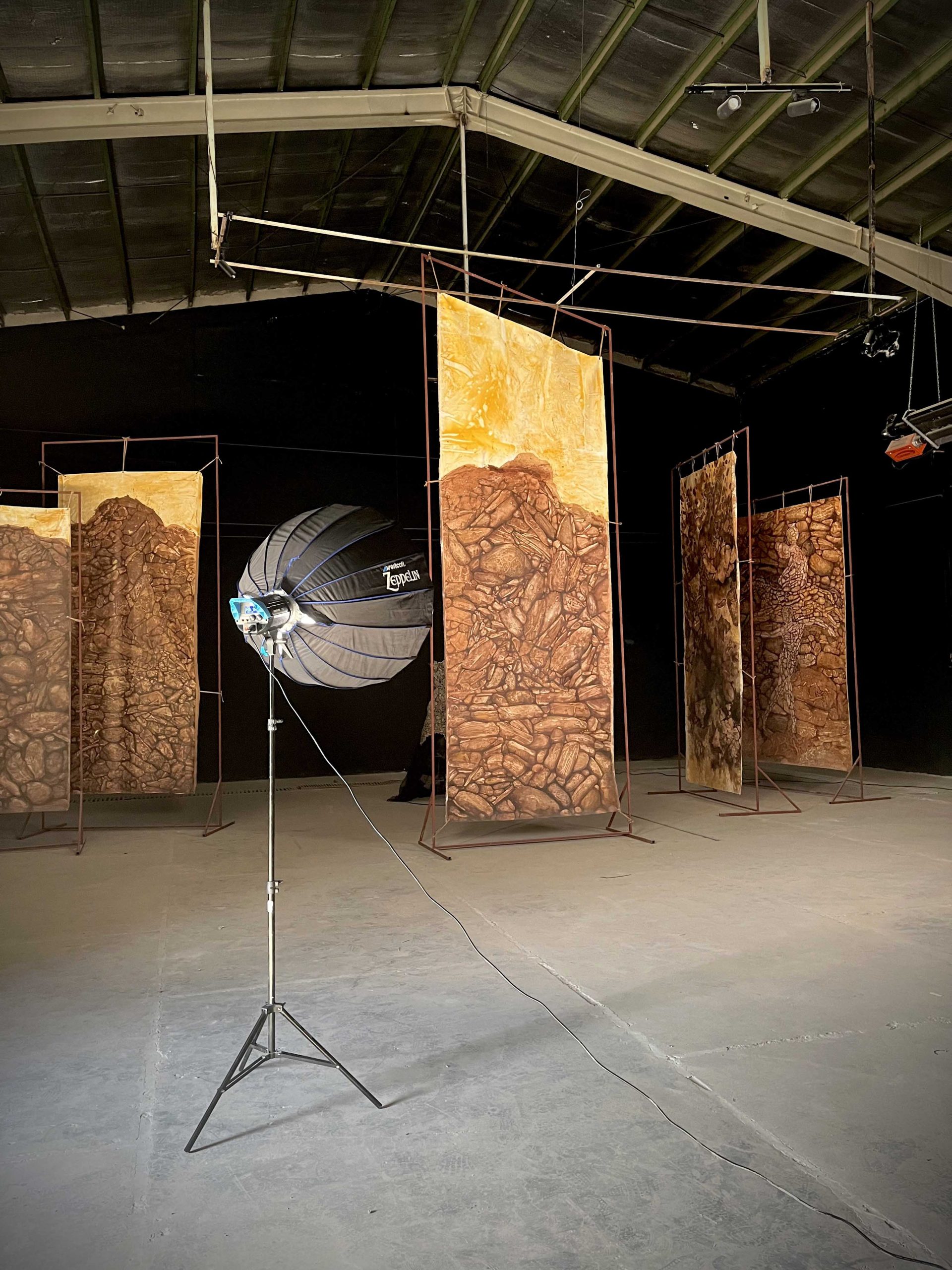
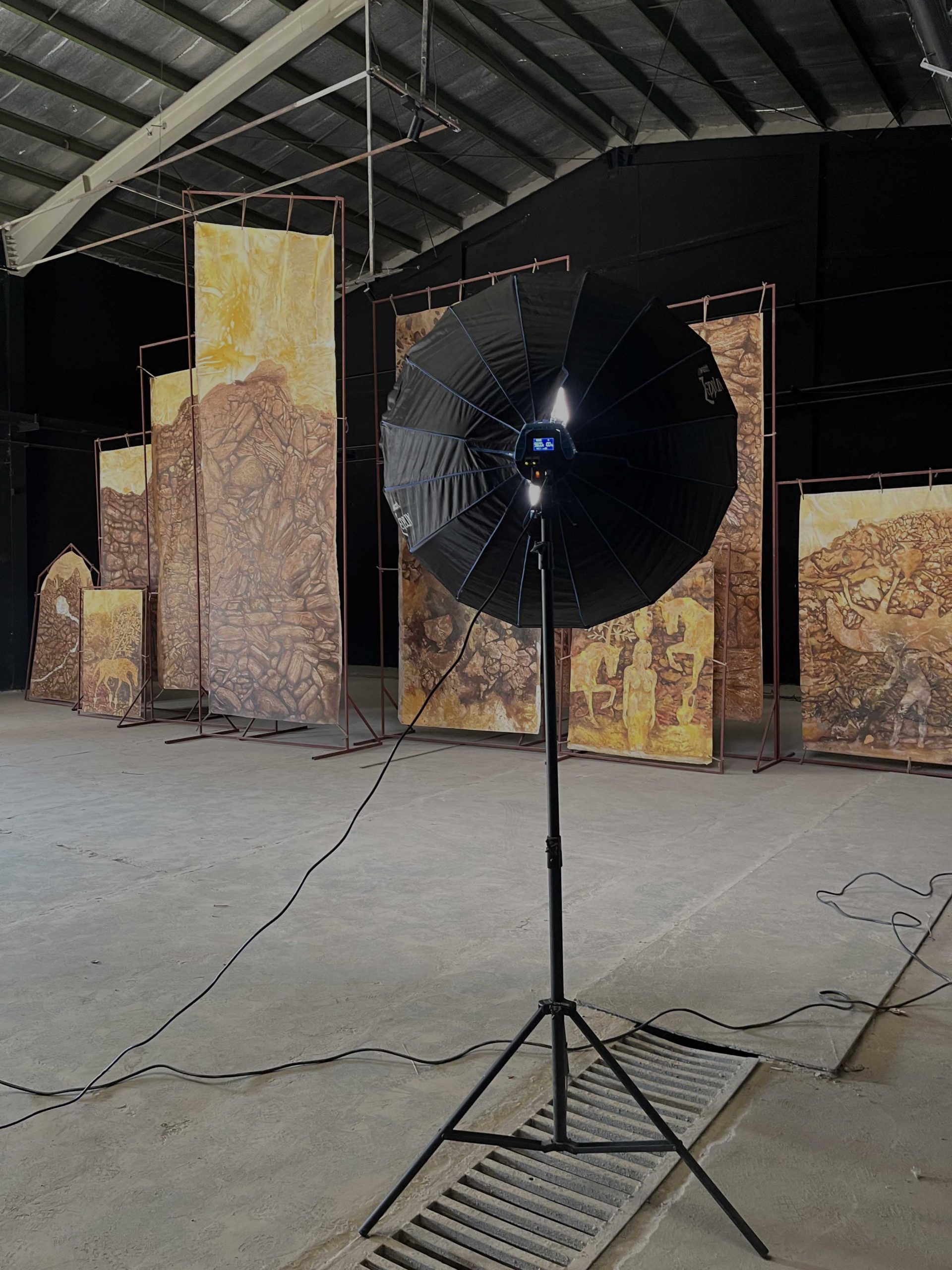
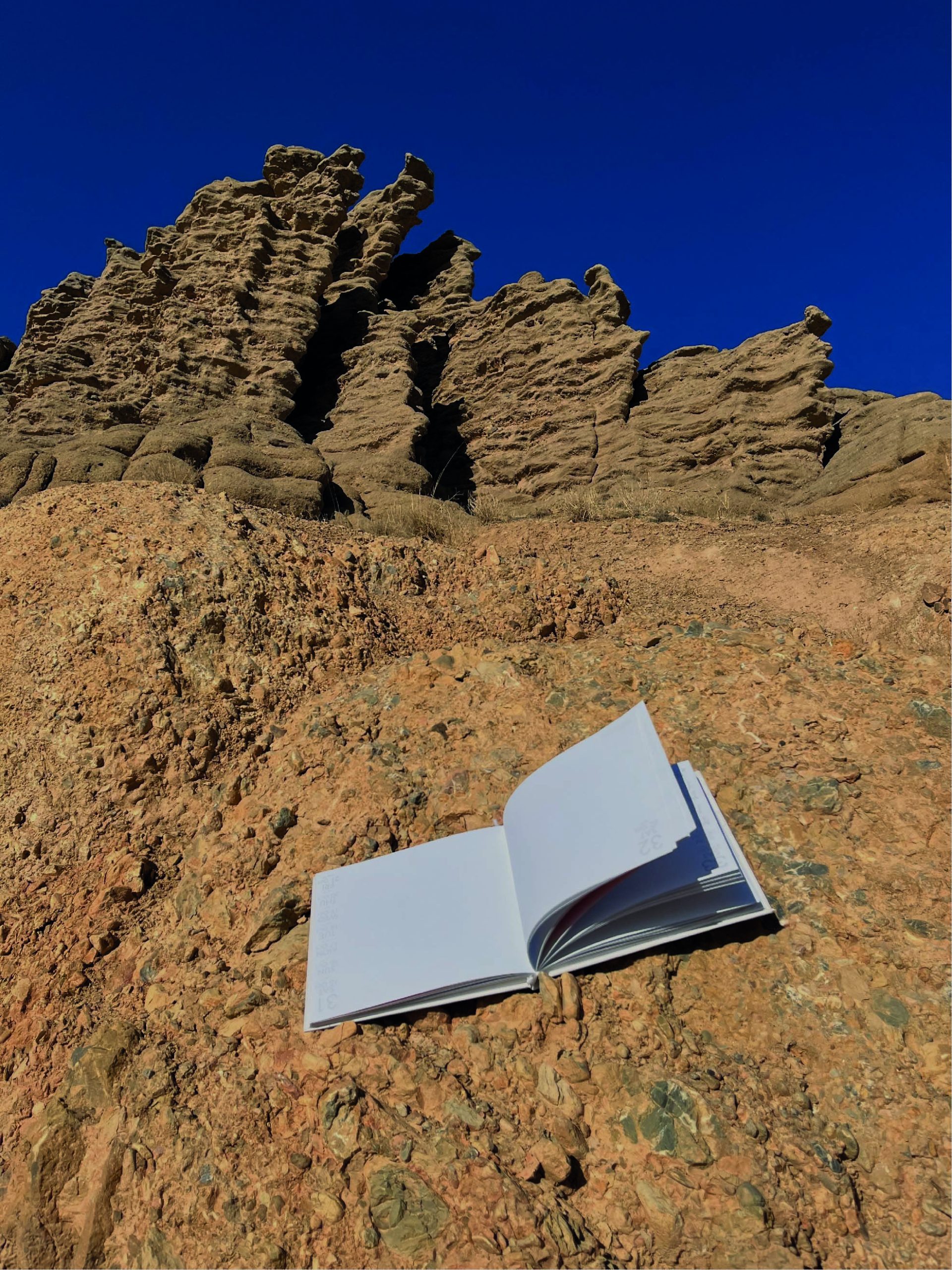
The installation presents two monumental portraits: Farhad and Shirin. Farhad appears as a vast painted mountain landscape, constructed from approximately 200 meters of painted fabric arranged as a sculptural mountain environment. Shirin emerges as a monumental feminine figure created from hundreds of stones gathered from the Zagros landscape. Her stone wing transforms the weight of the mountain into an image of aspiration, freedom, and resistance.In Nezami’s narrative, Shirin represents an independent and self-determined woman whose choices shape her own destiny. Reinterpreted through the experience of contemporary Iranian women, she becomes a symbol of agency, resilience, and the ongoing pursuit of freedom.The Zagros Mountains, where Soltani was born and raised, are central to the work as a living archive of memory. The stones and landscape carry traces of generations, struggles, and histories embedded within the land. Through the transformation of natural materials into an immersive environment, "Tisheh" connects mythology, personal memory, and collective experience.
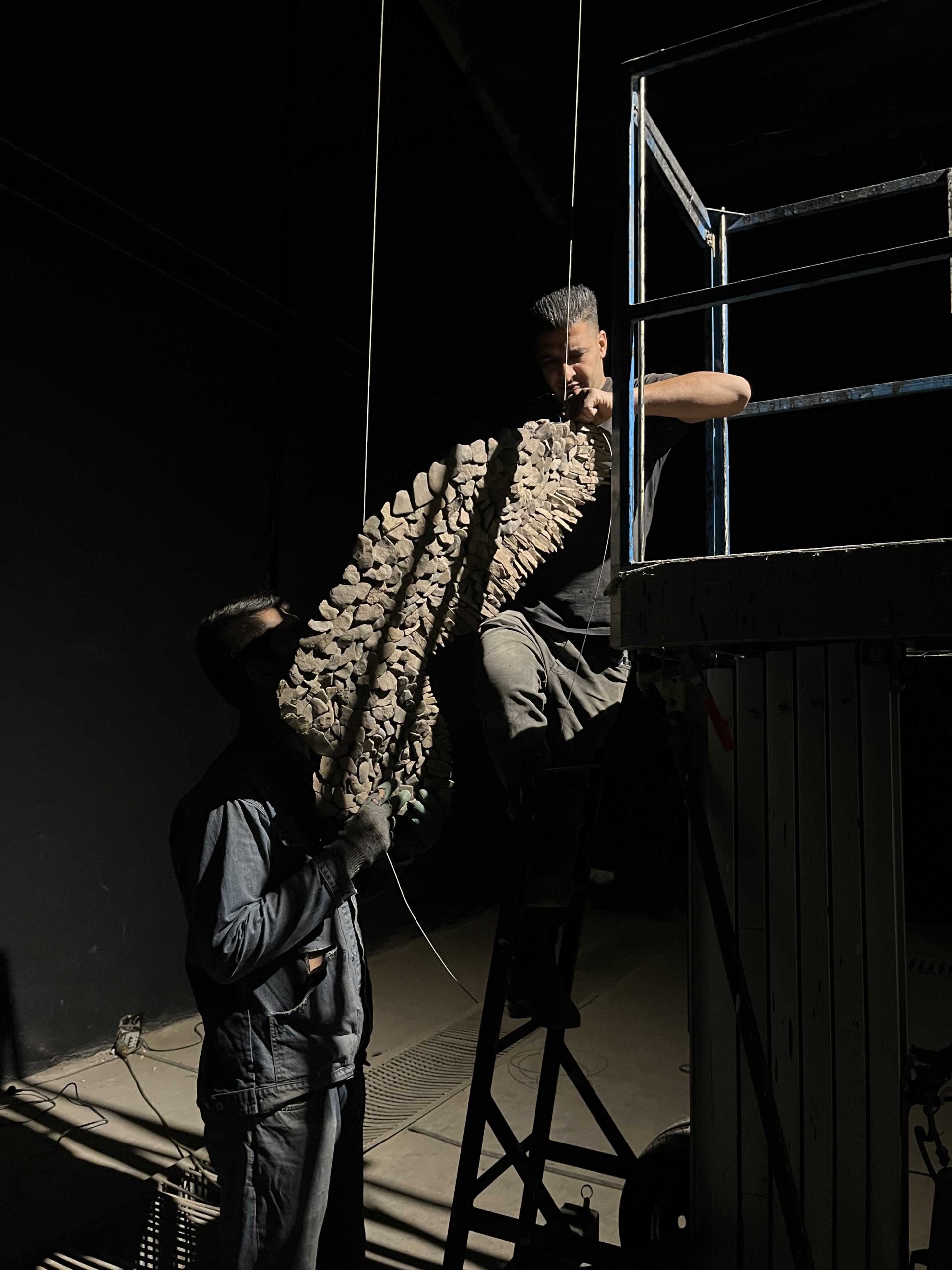
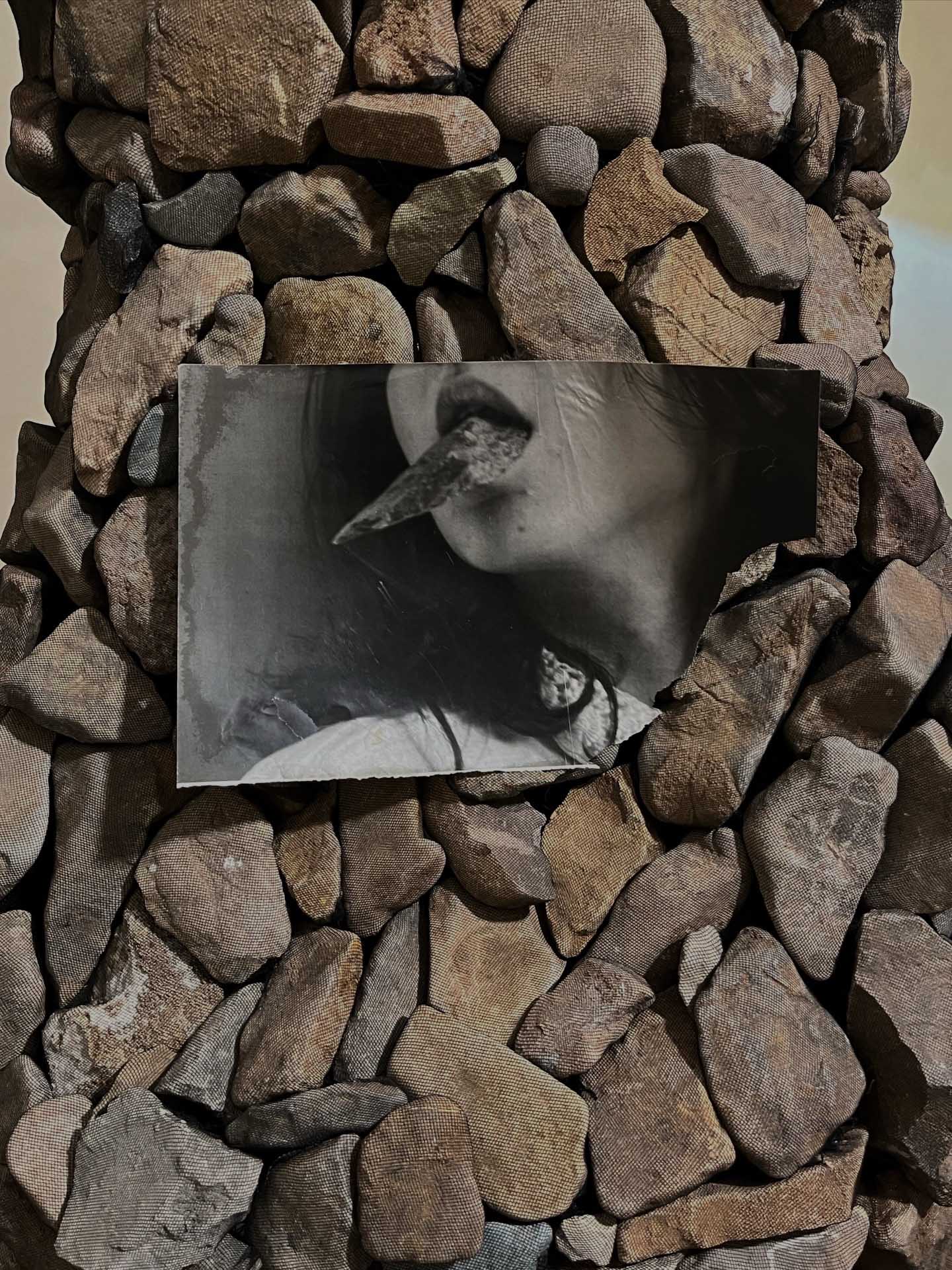
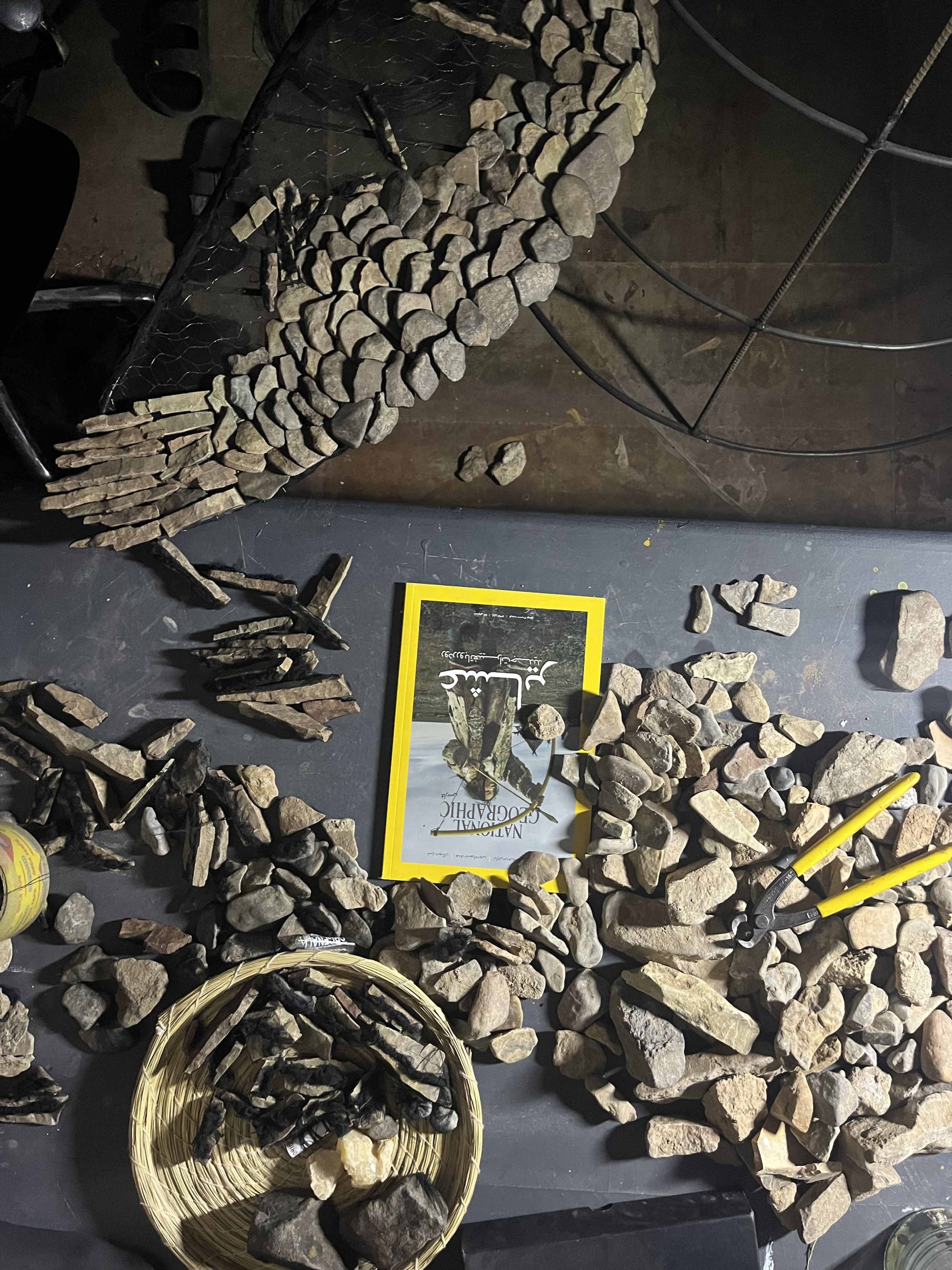
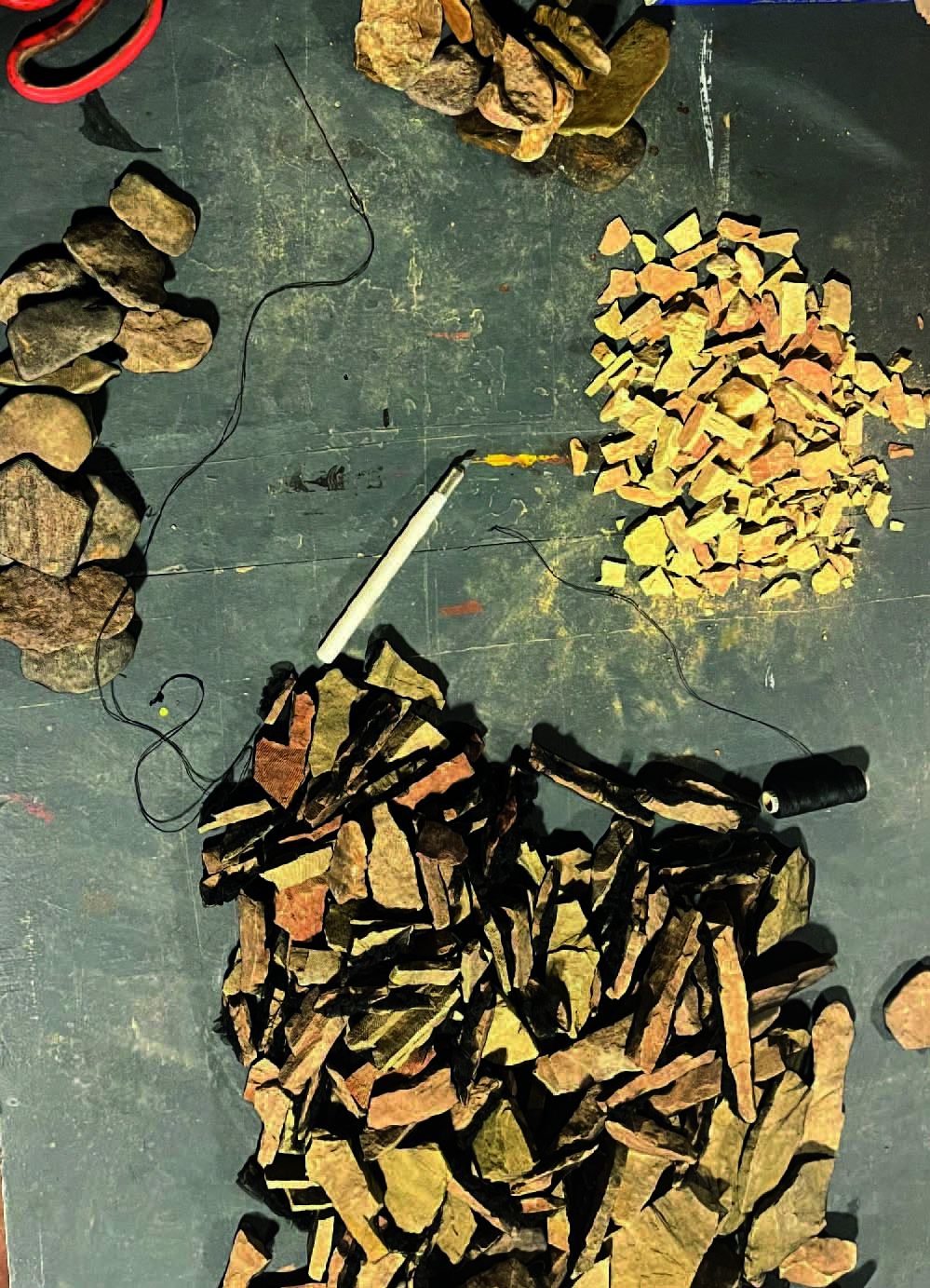
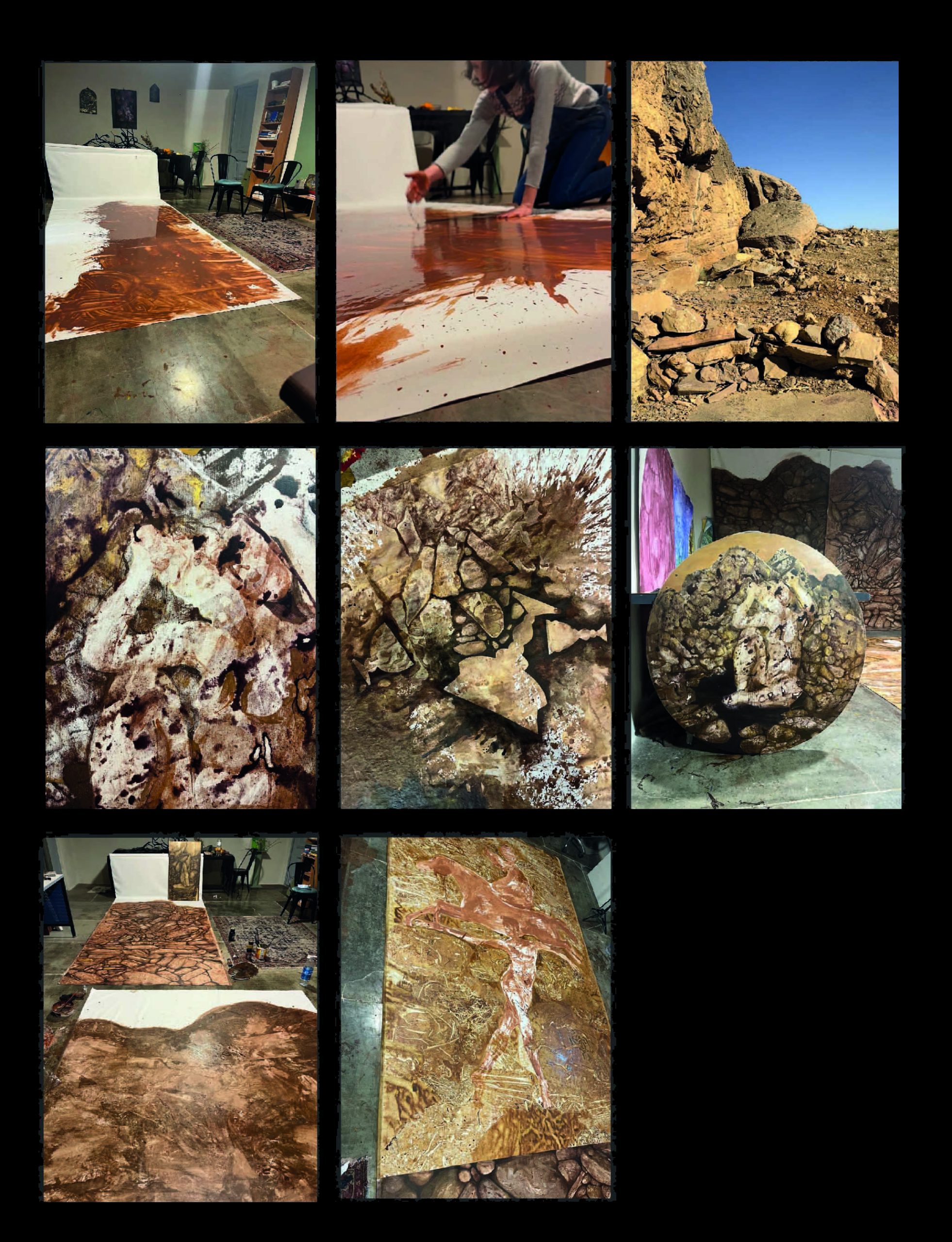
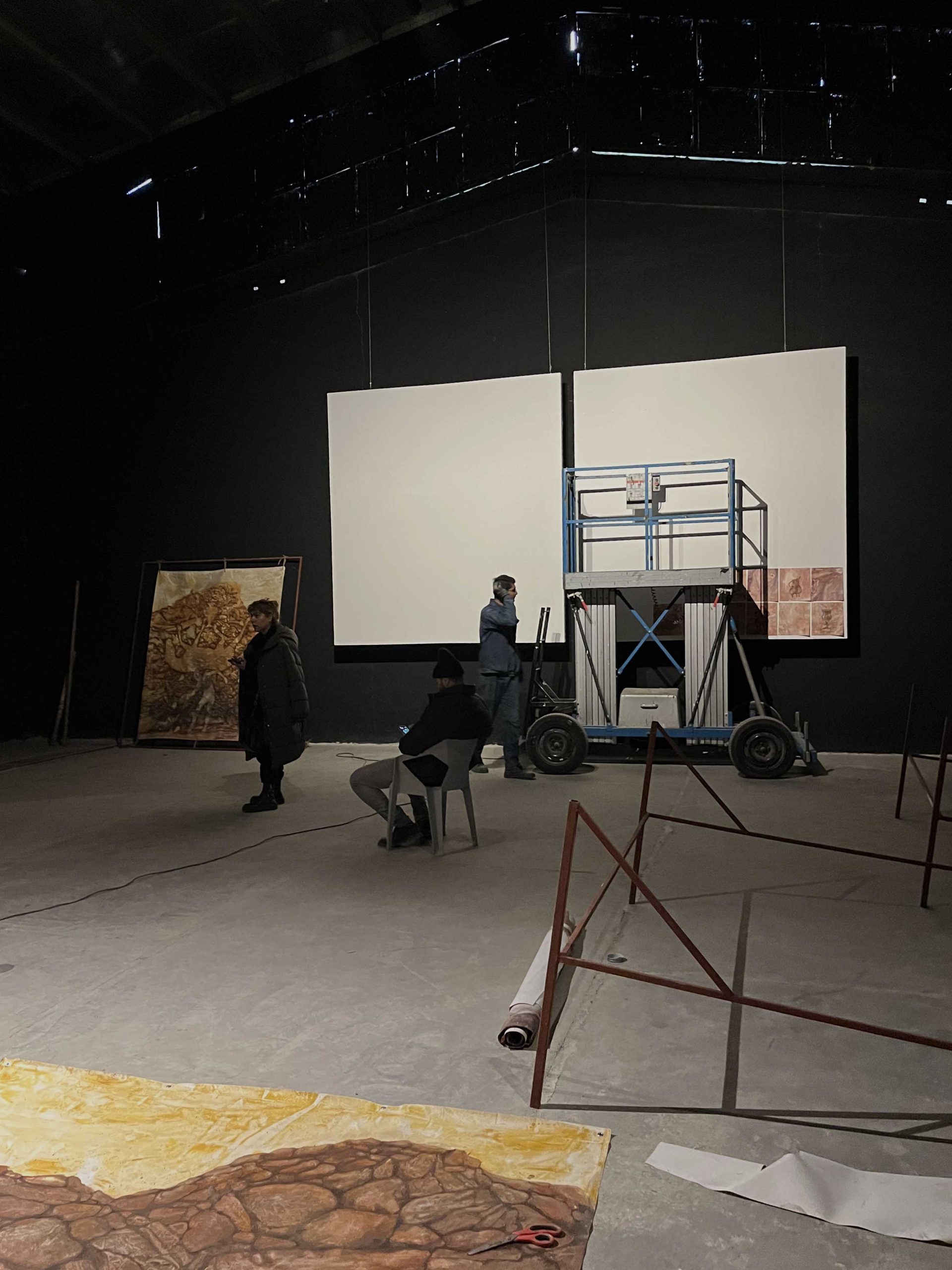
The process of making the work mirrors its conceptual foundation. Hundreds of stones were individually wrapped and stitched into the sculptural form using delicate nets and natural fibers, creating a dialogue between strength and fragility, endurance and care. Through this labor-intensive process, the material itself becomes a record of persistence.
"Tisheh" invites the viewer to enter a landscape rather than simply observe an object. Moving through the mountain-like structure, the viewer encounters hidden layers of material, memory, and meaning, experiencing a landscape where myth, history, and contemporary realities continue to coexist.