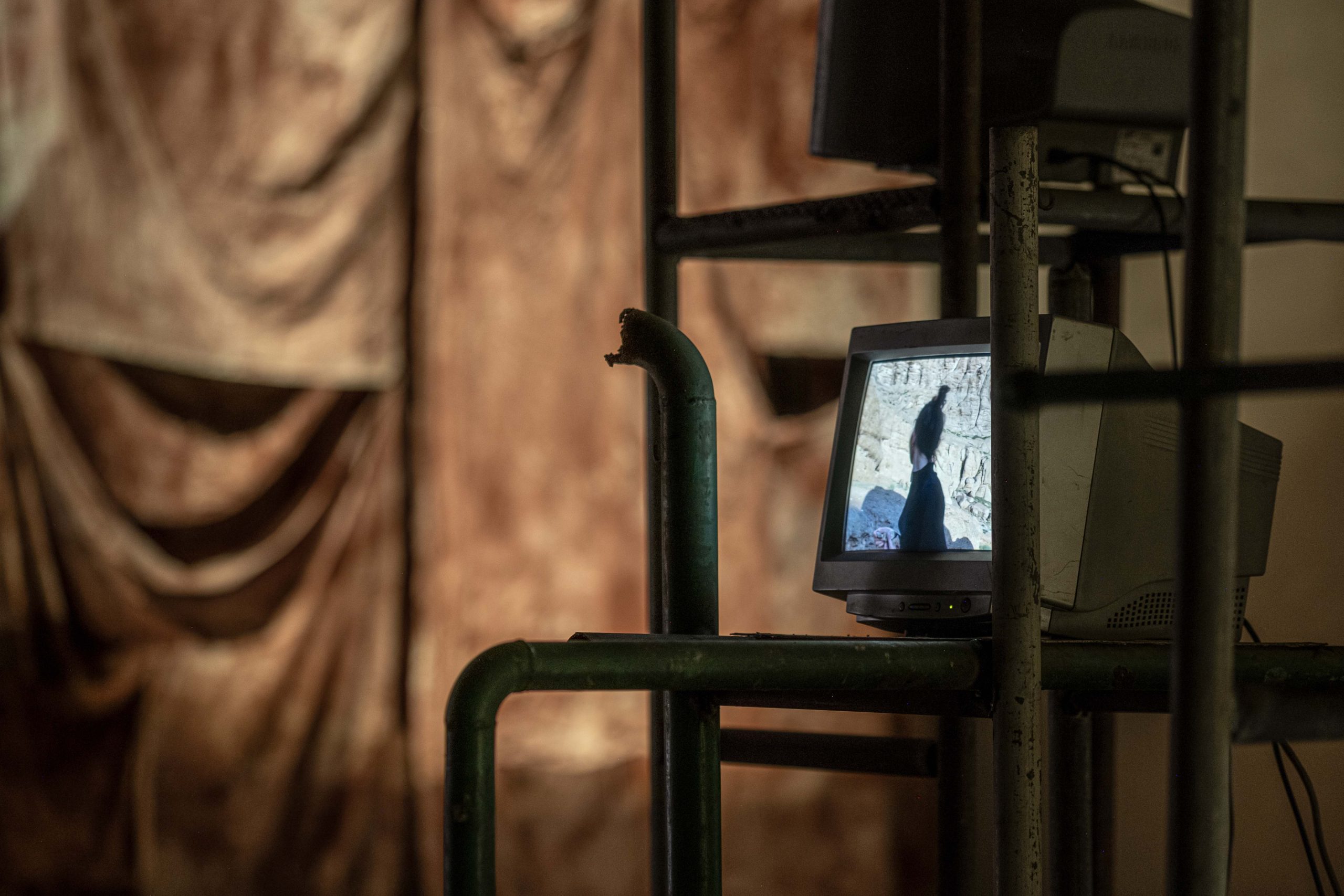
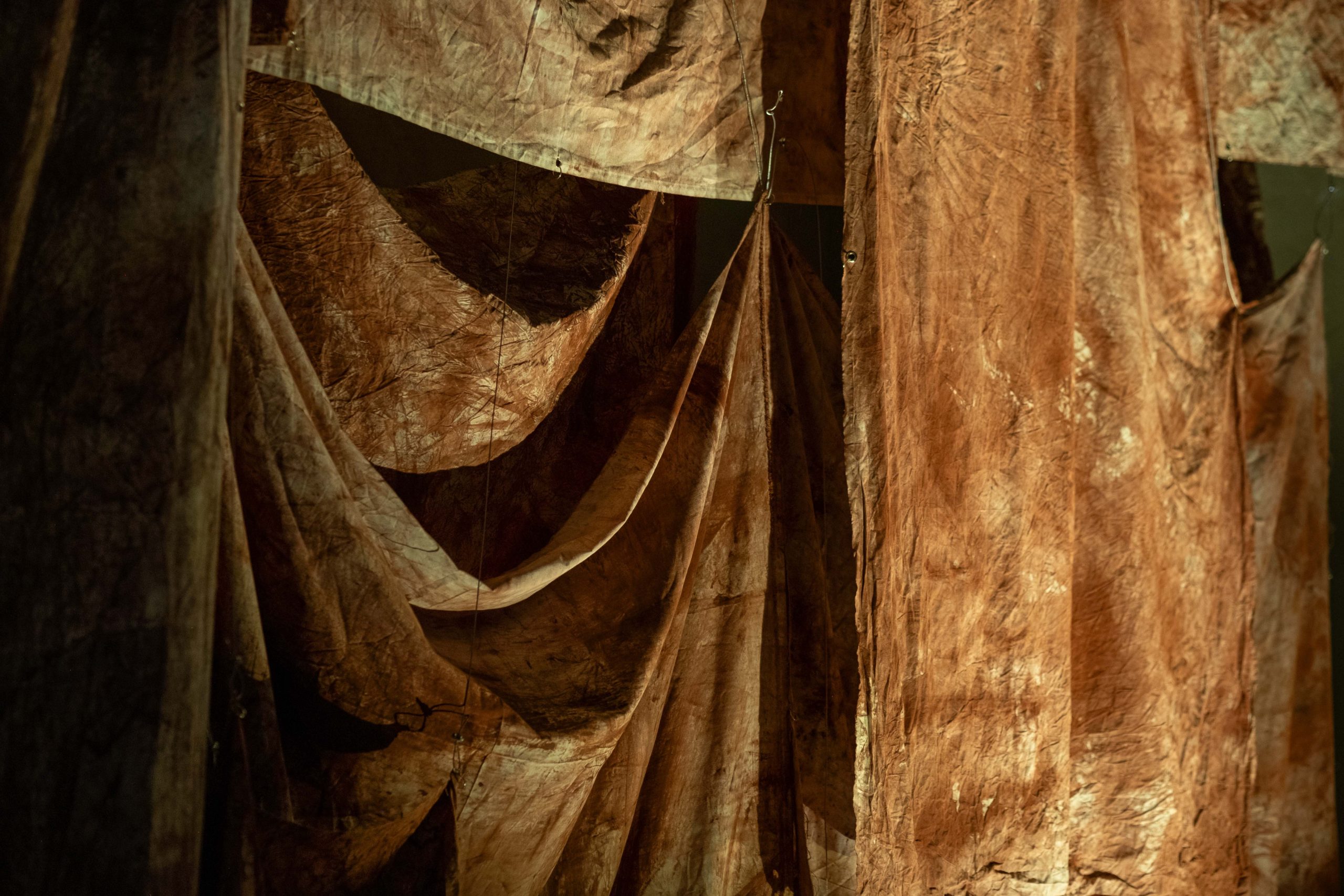
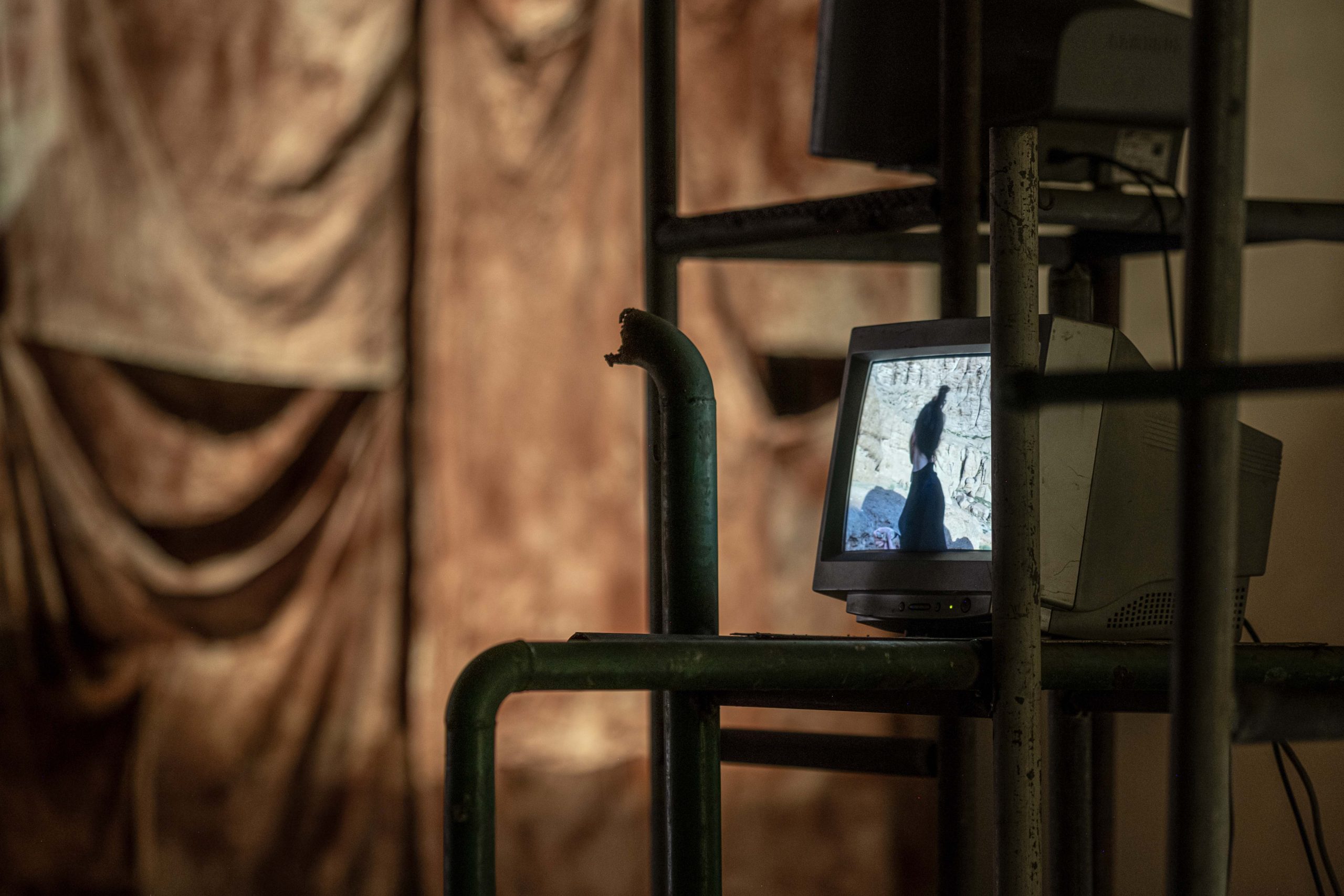
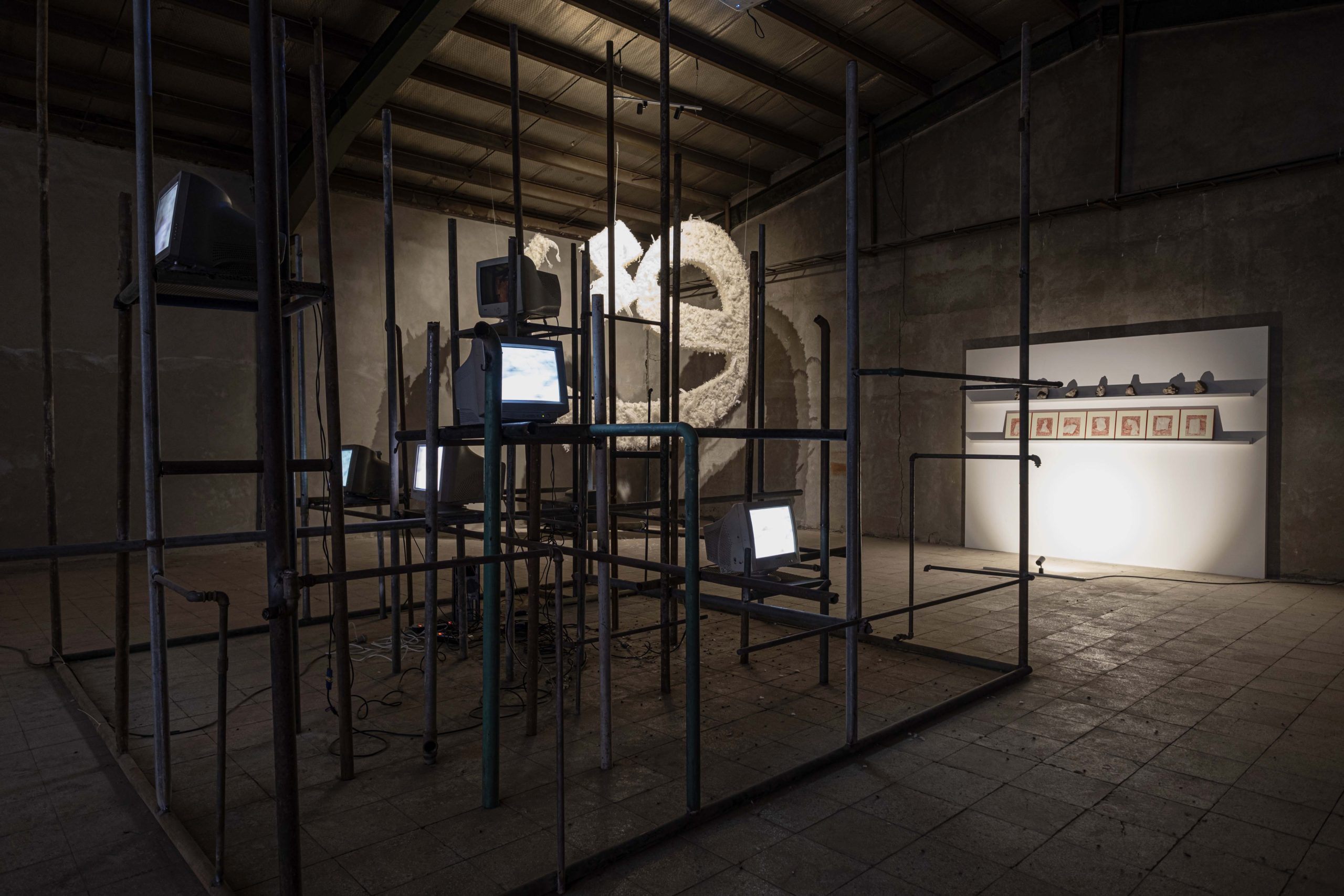
Qaf — Landscape of Absence
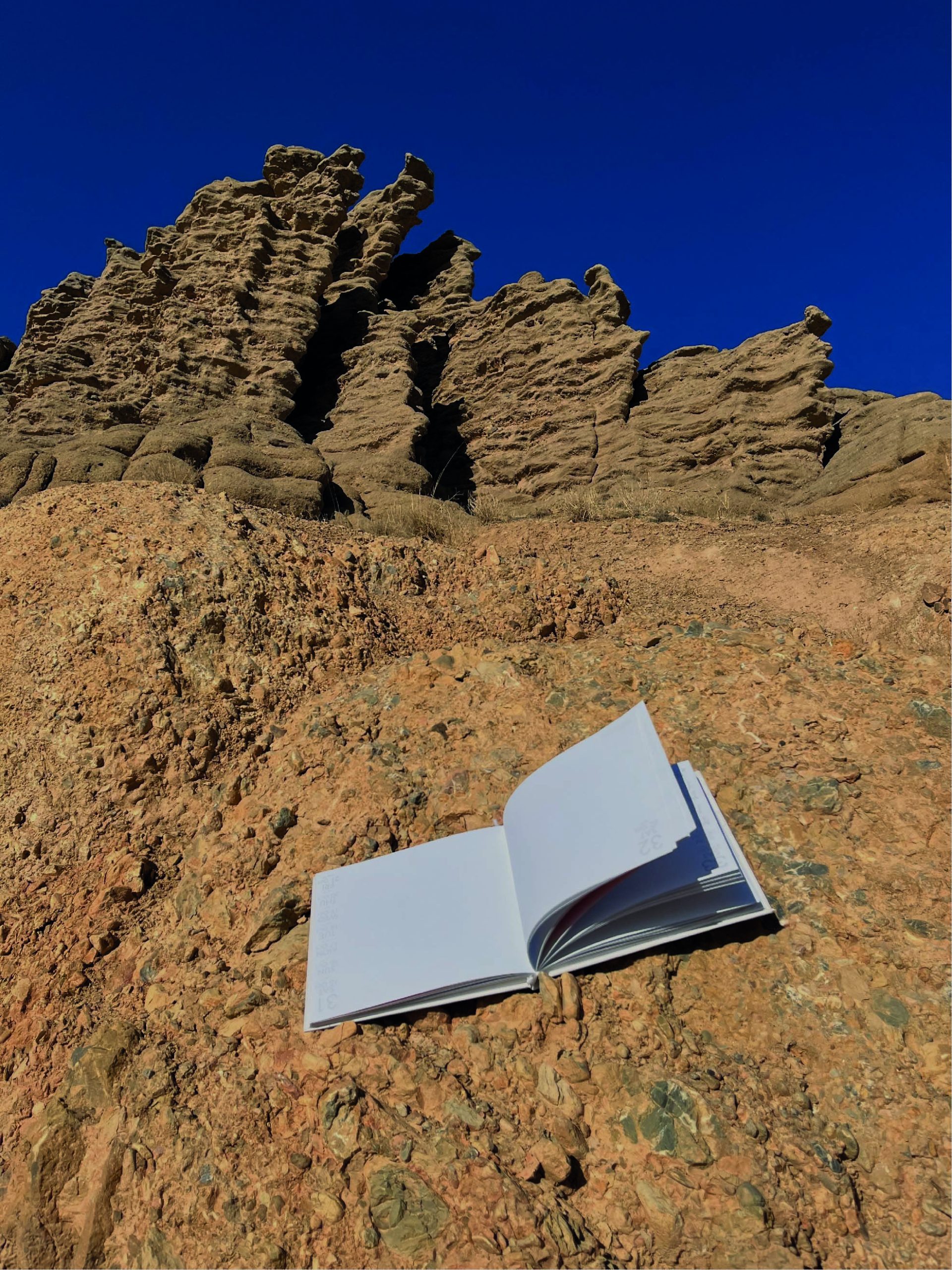
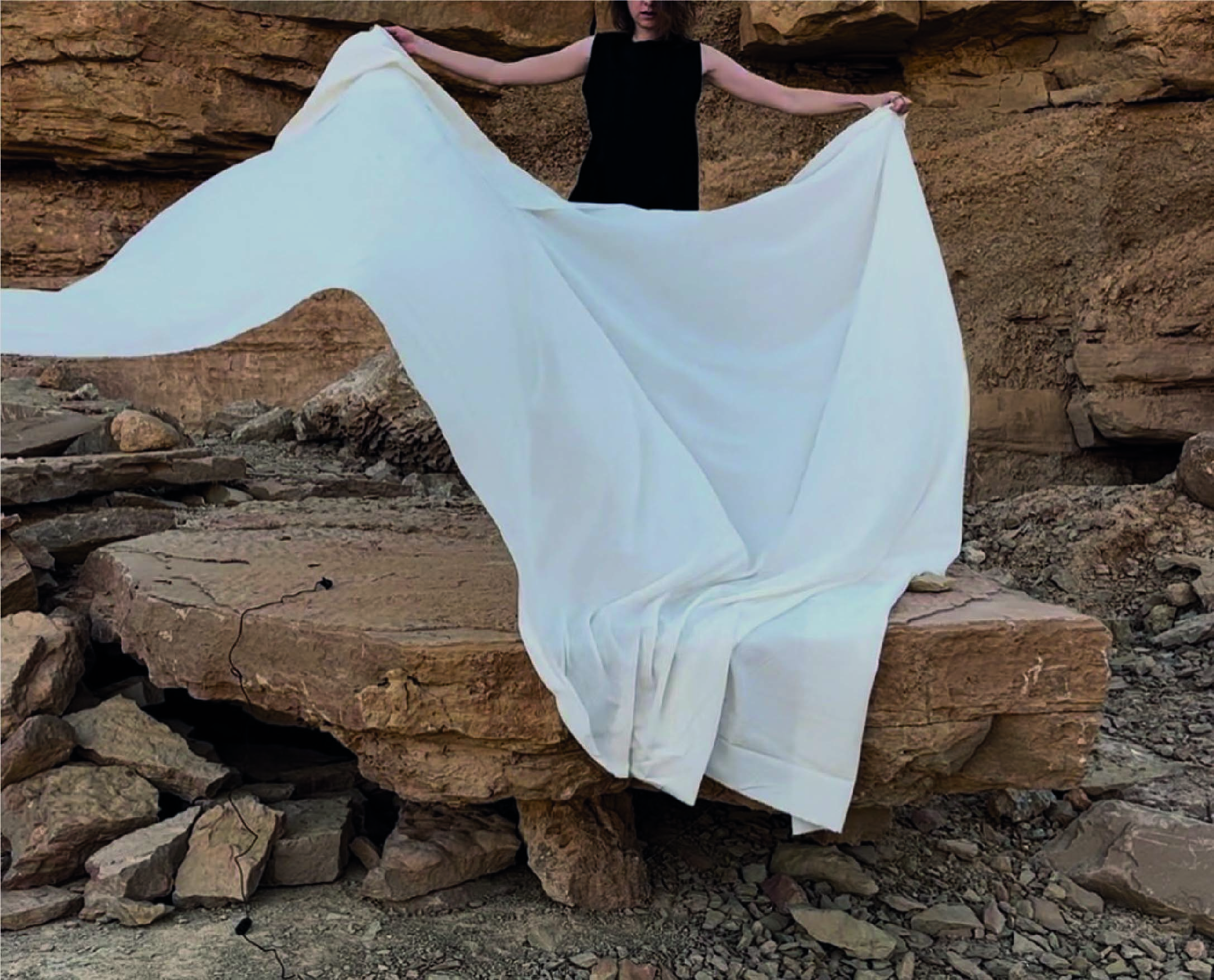
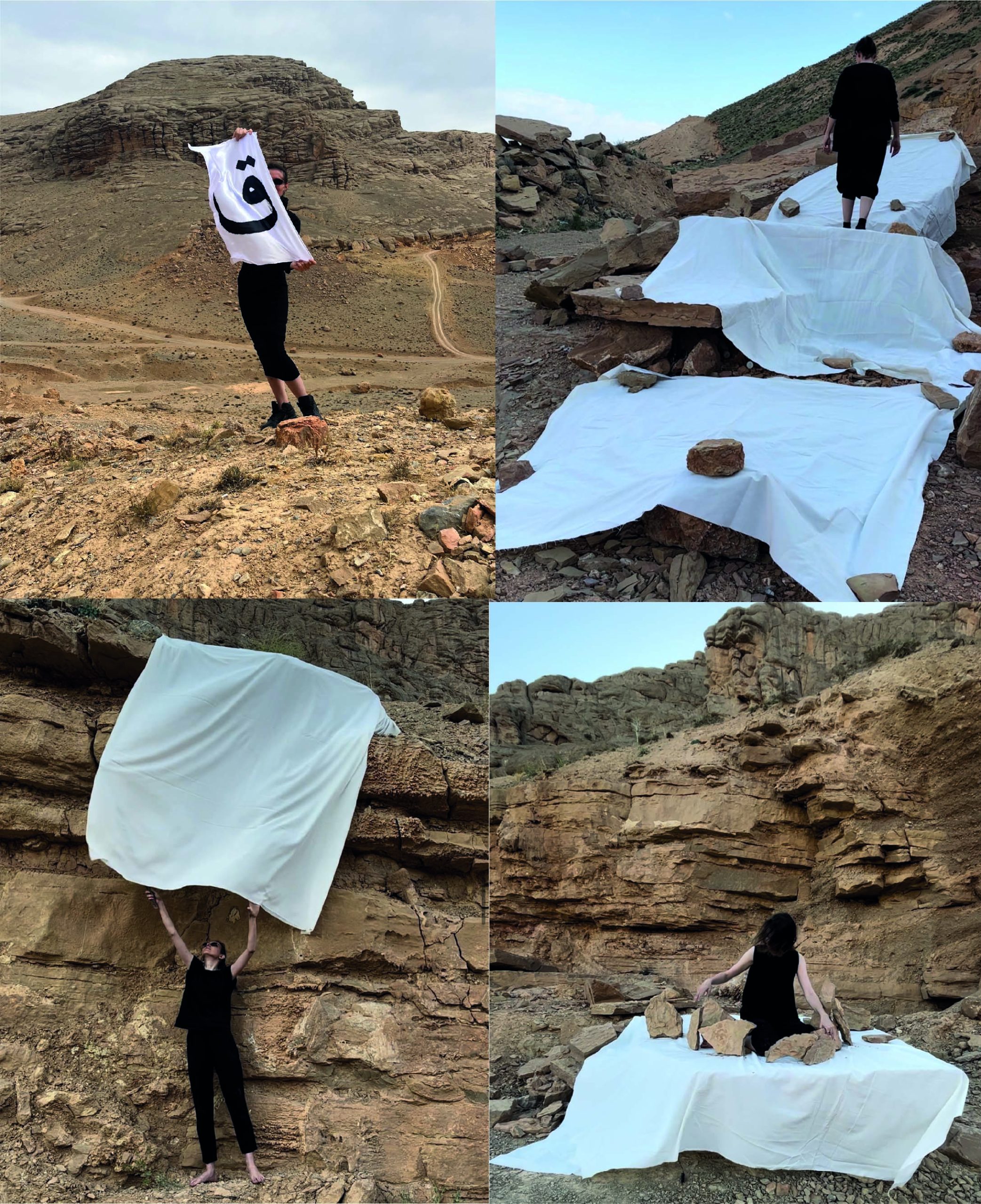
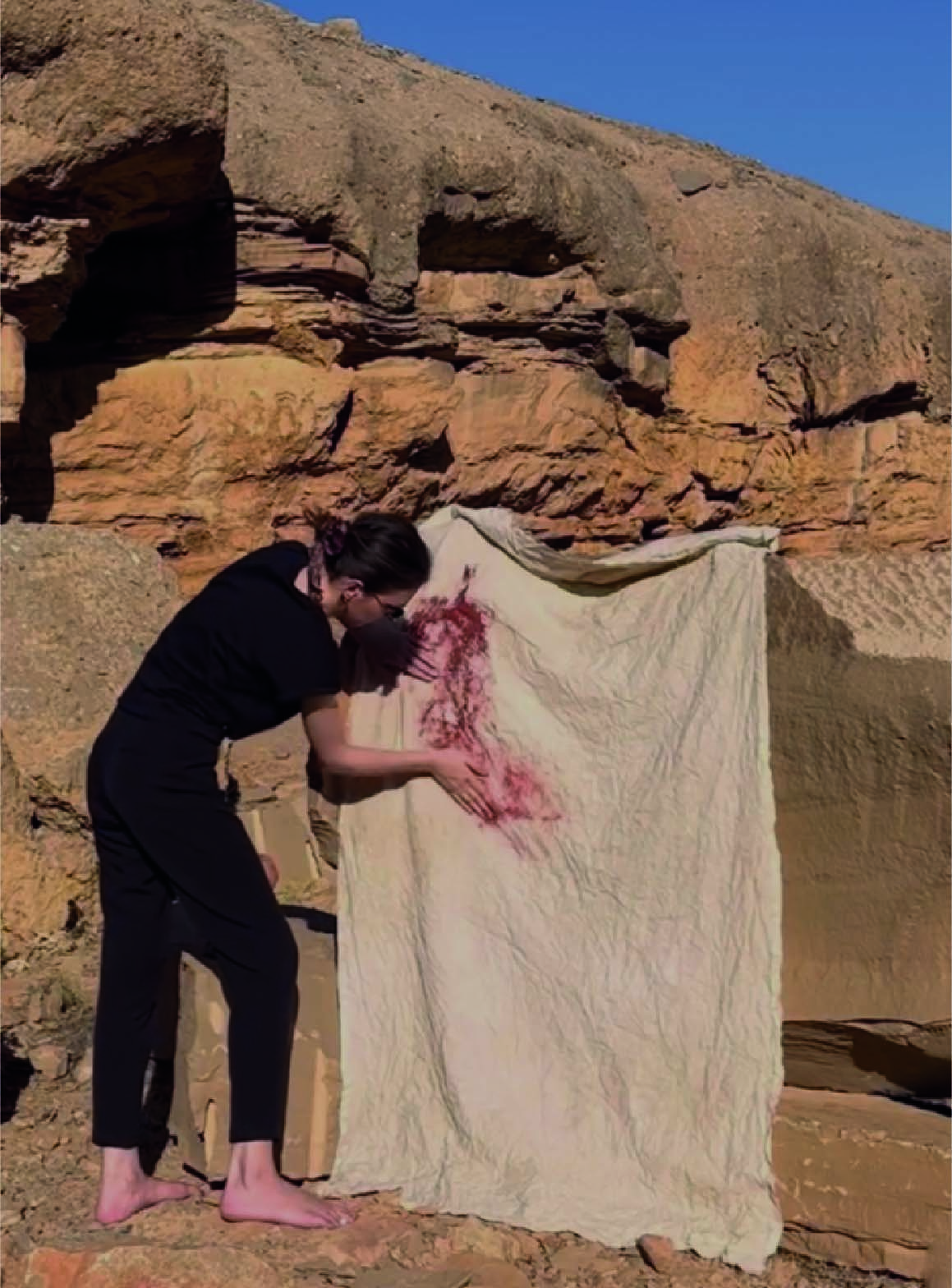
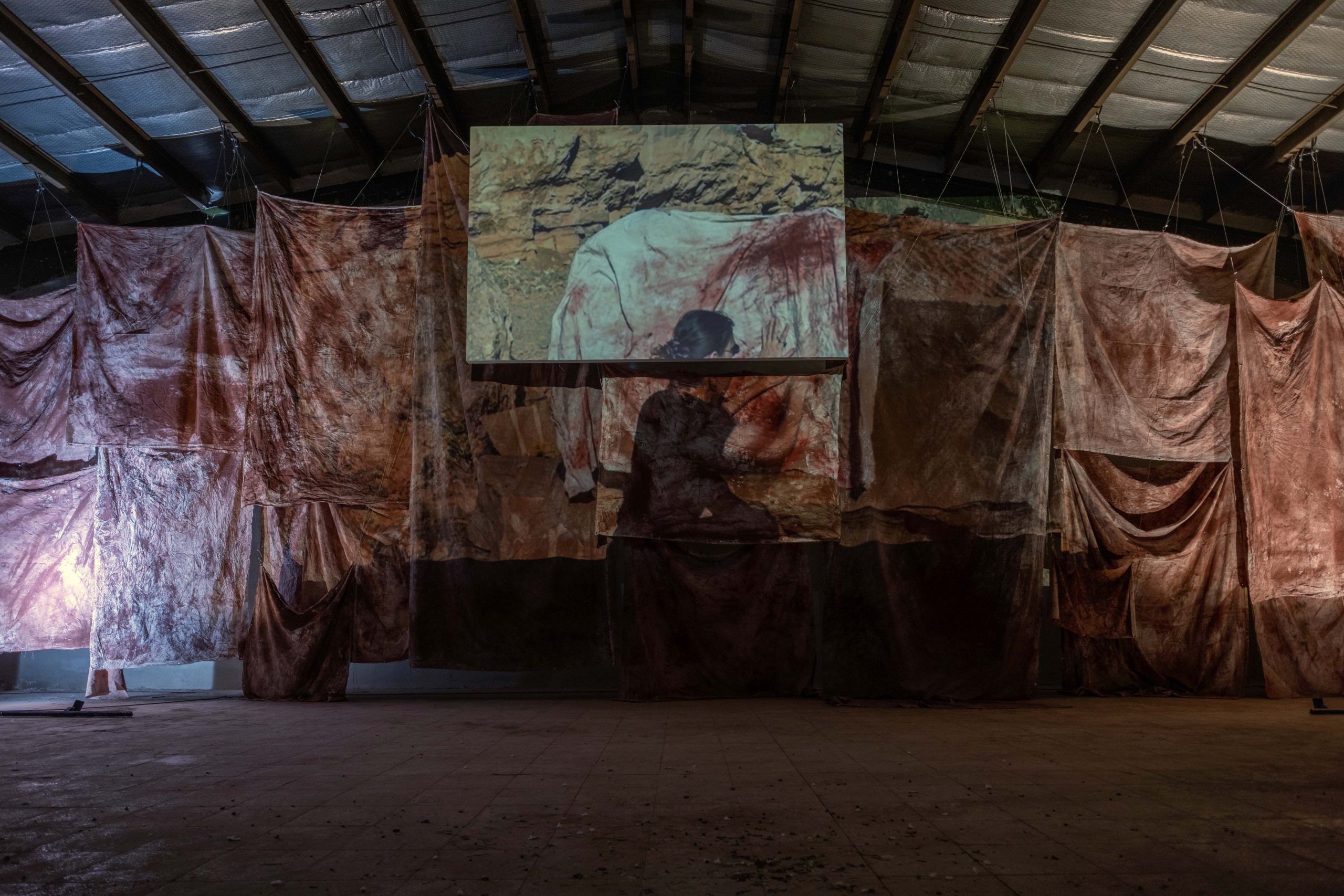
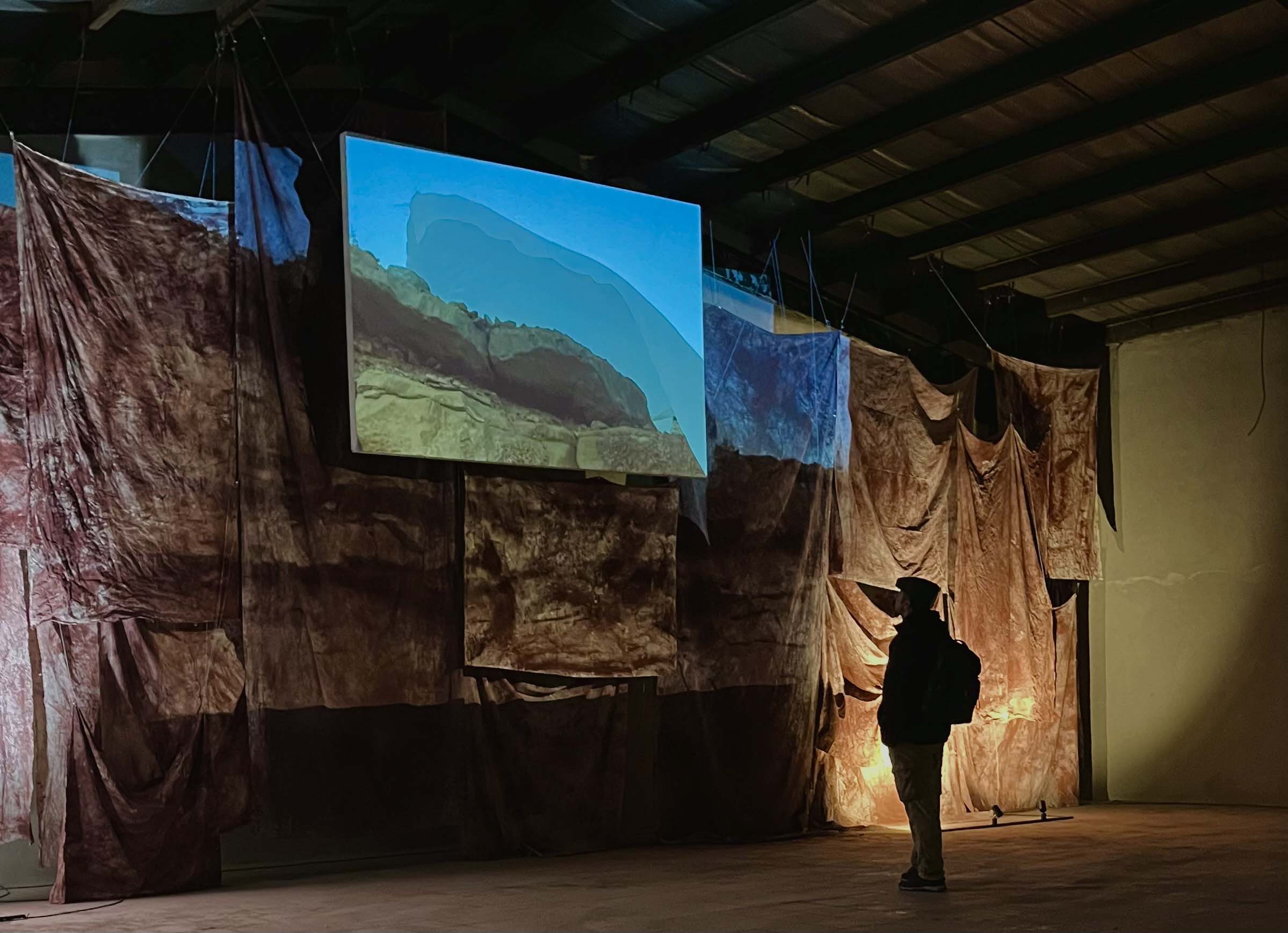
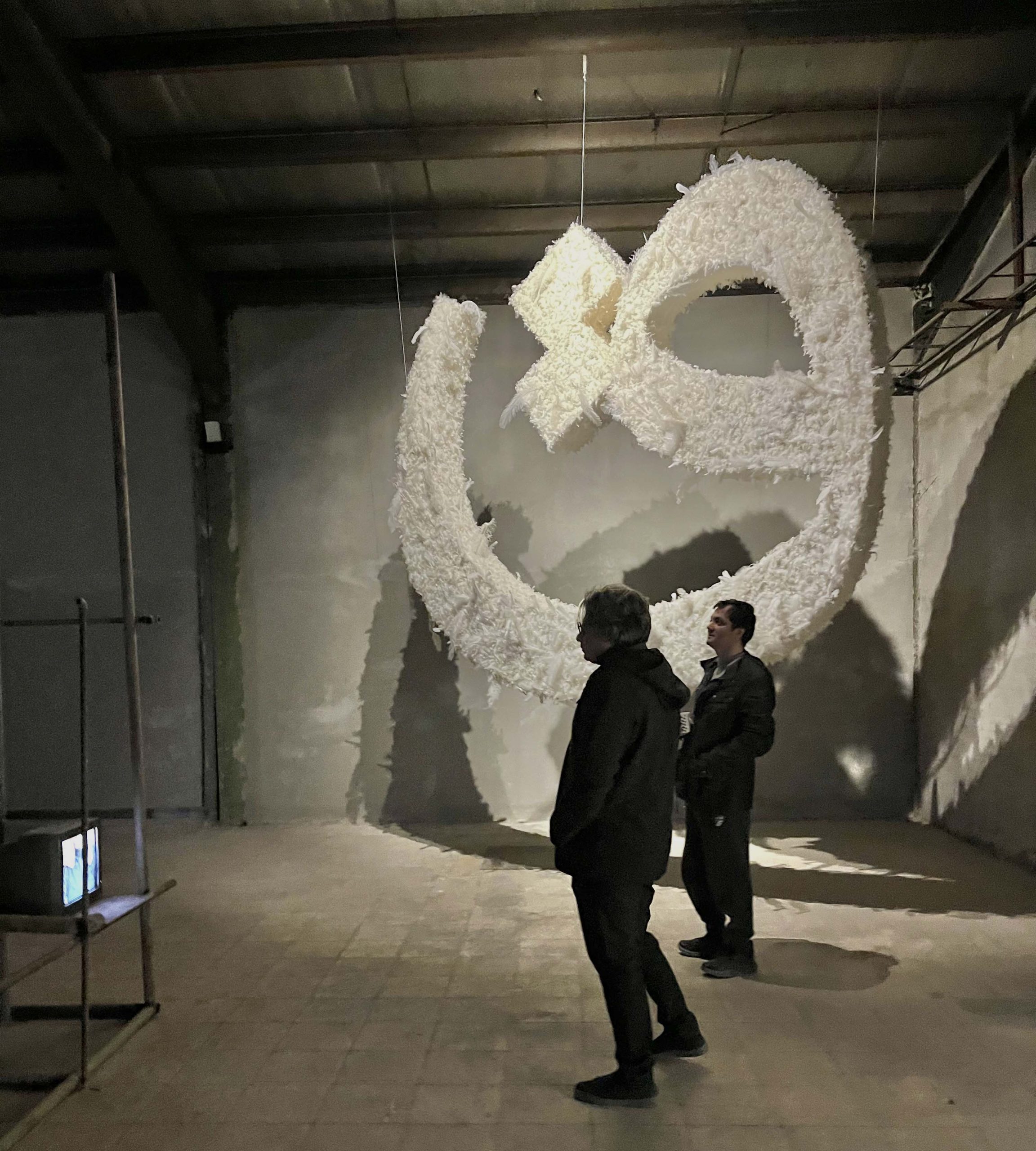
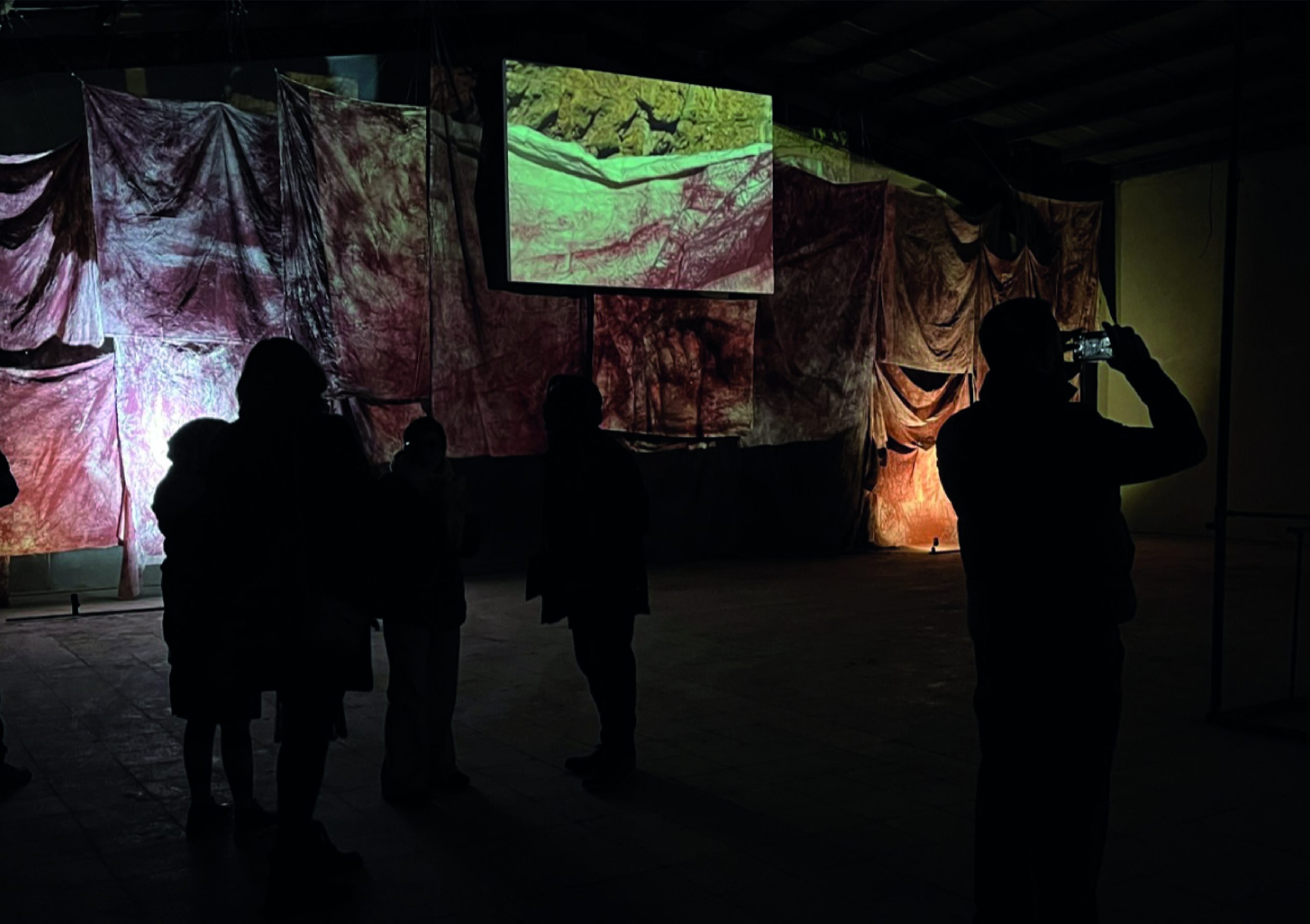
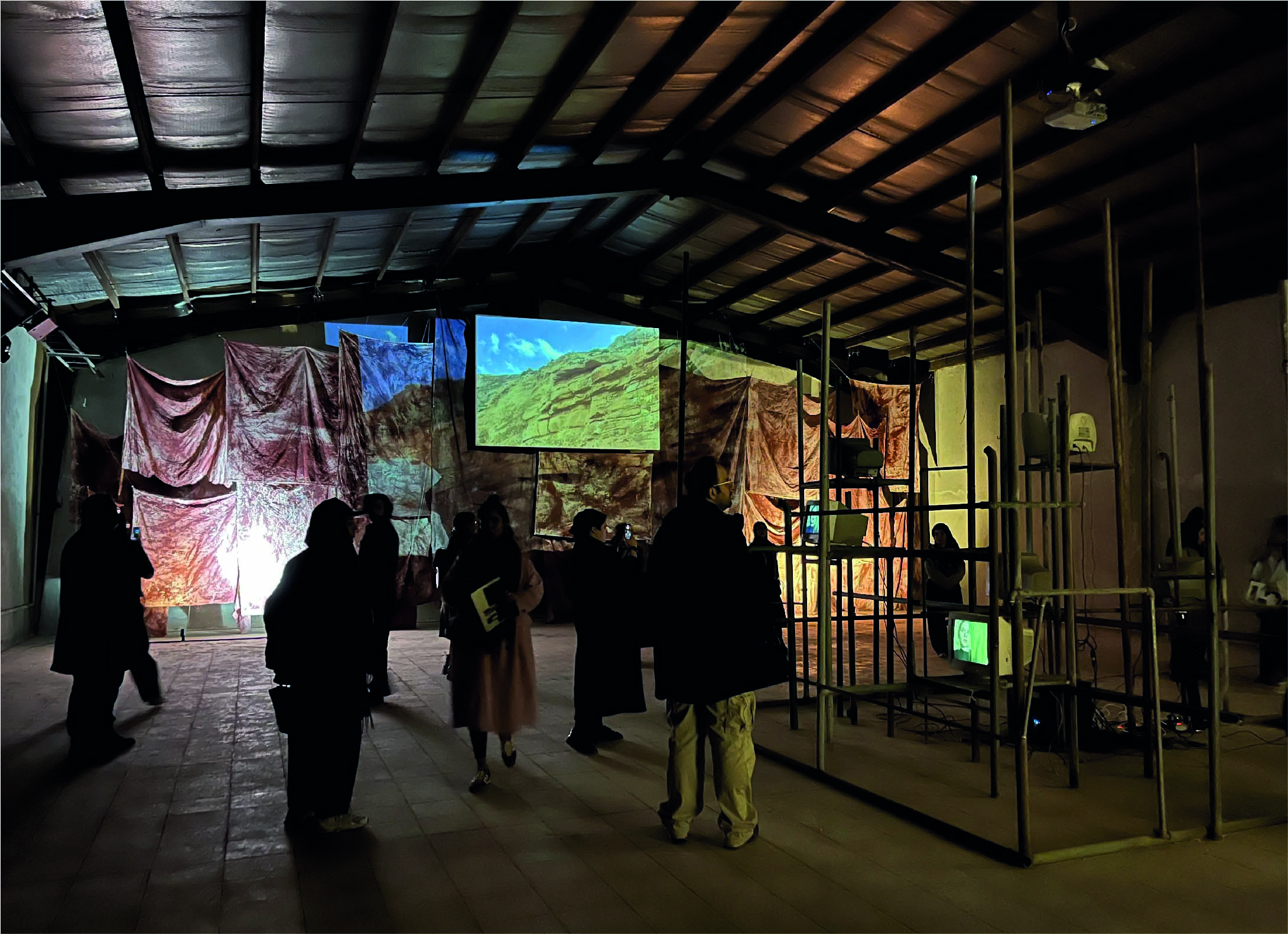
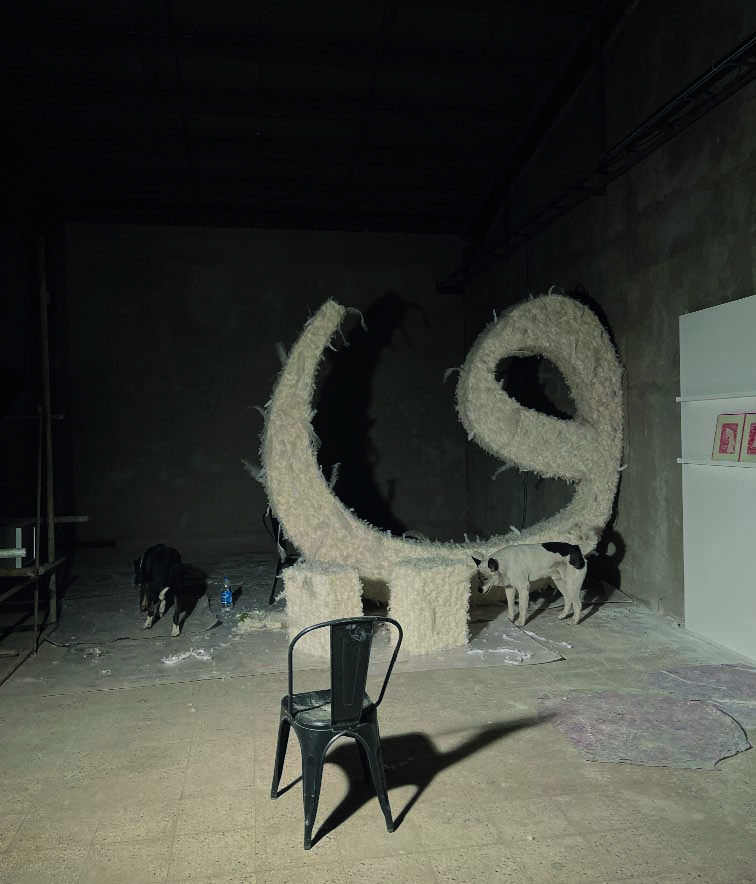
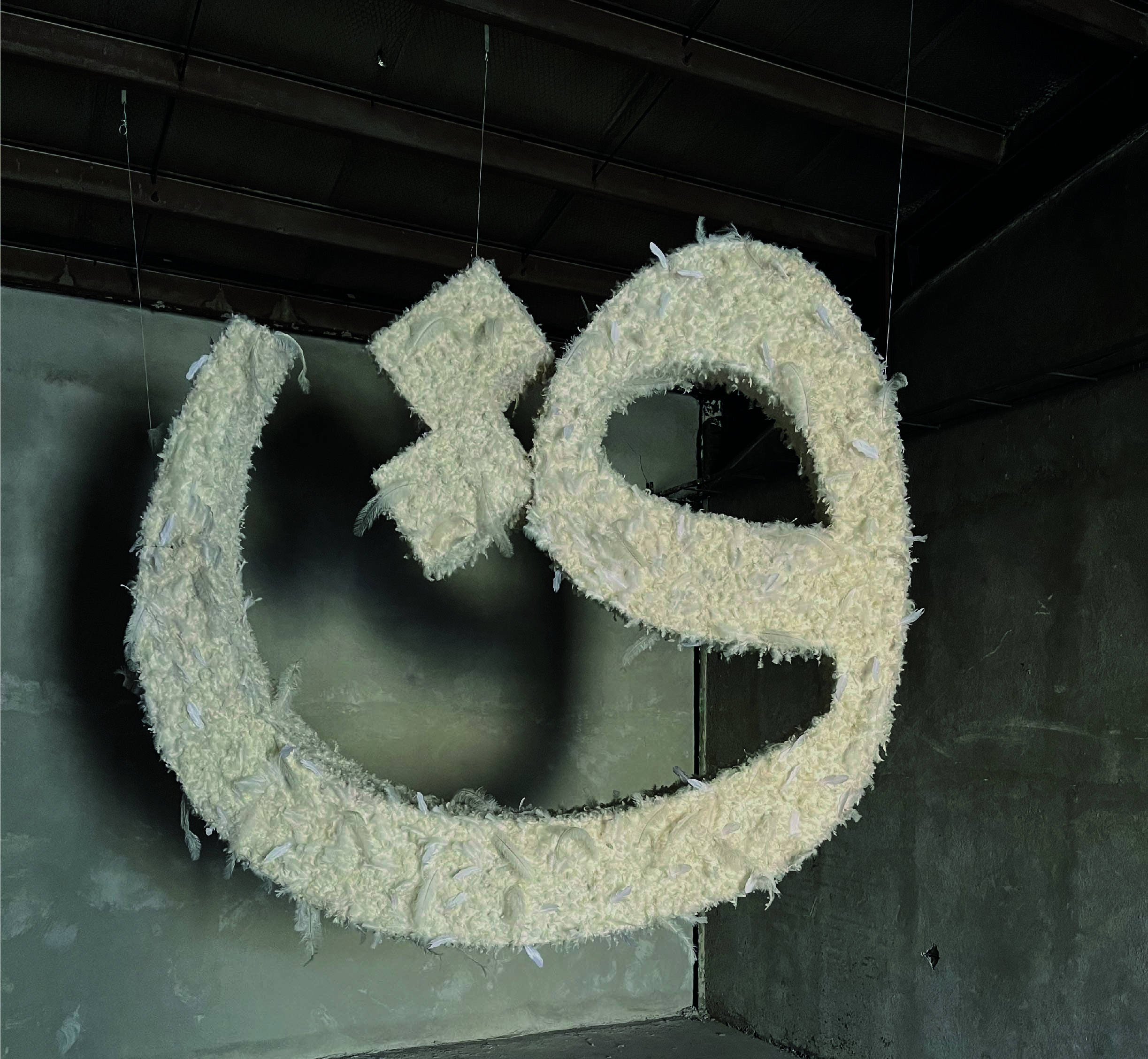
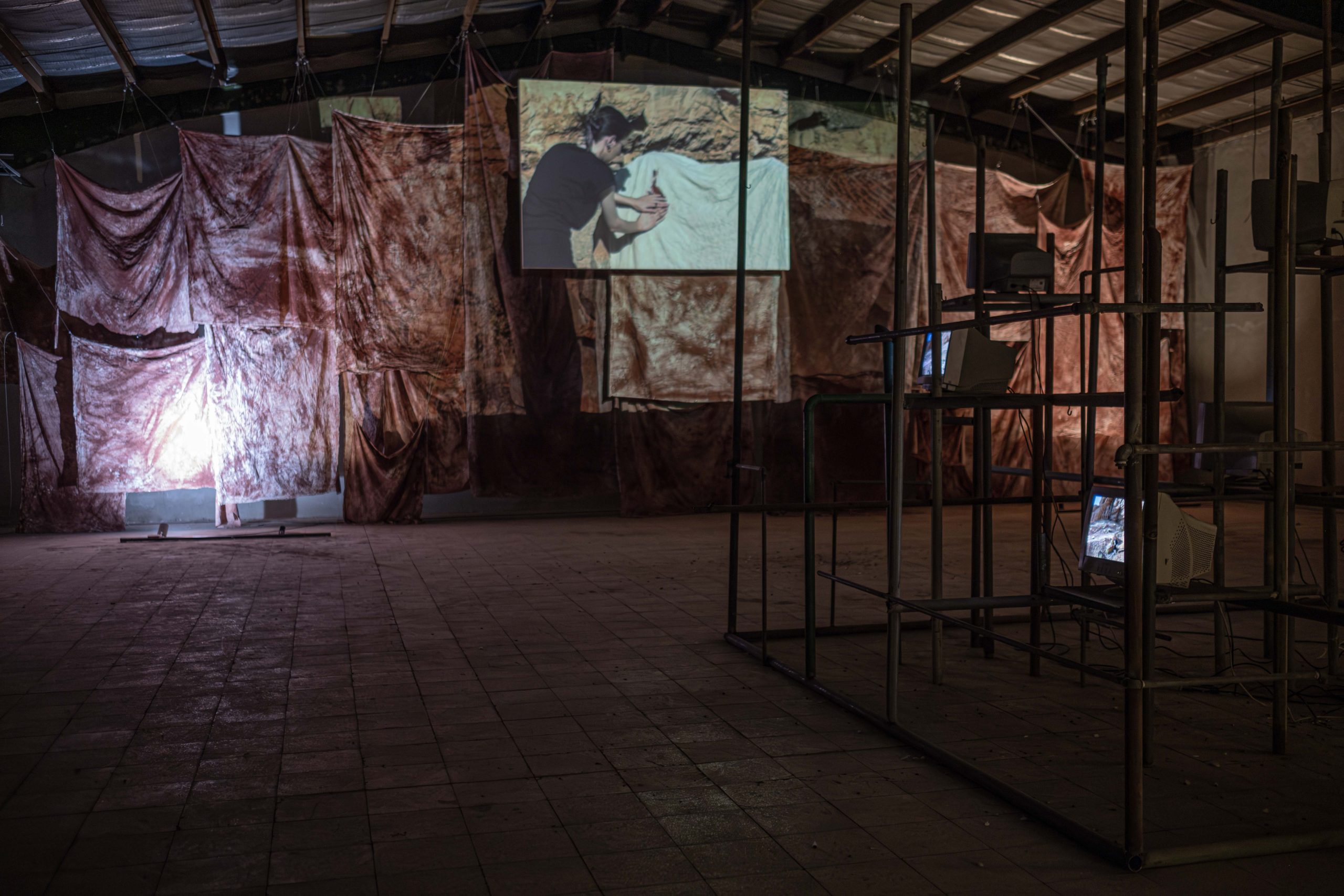
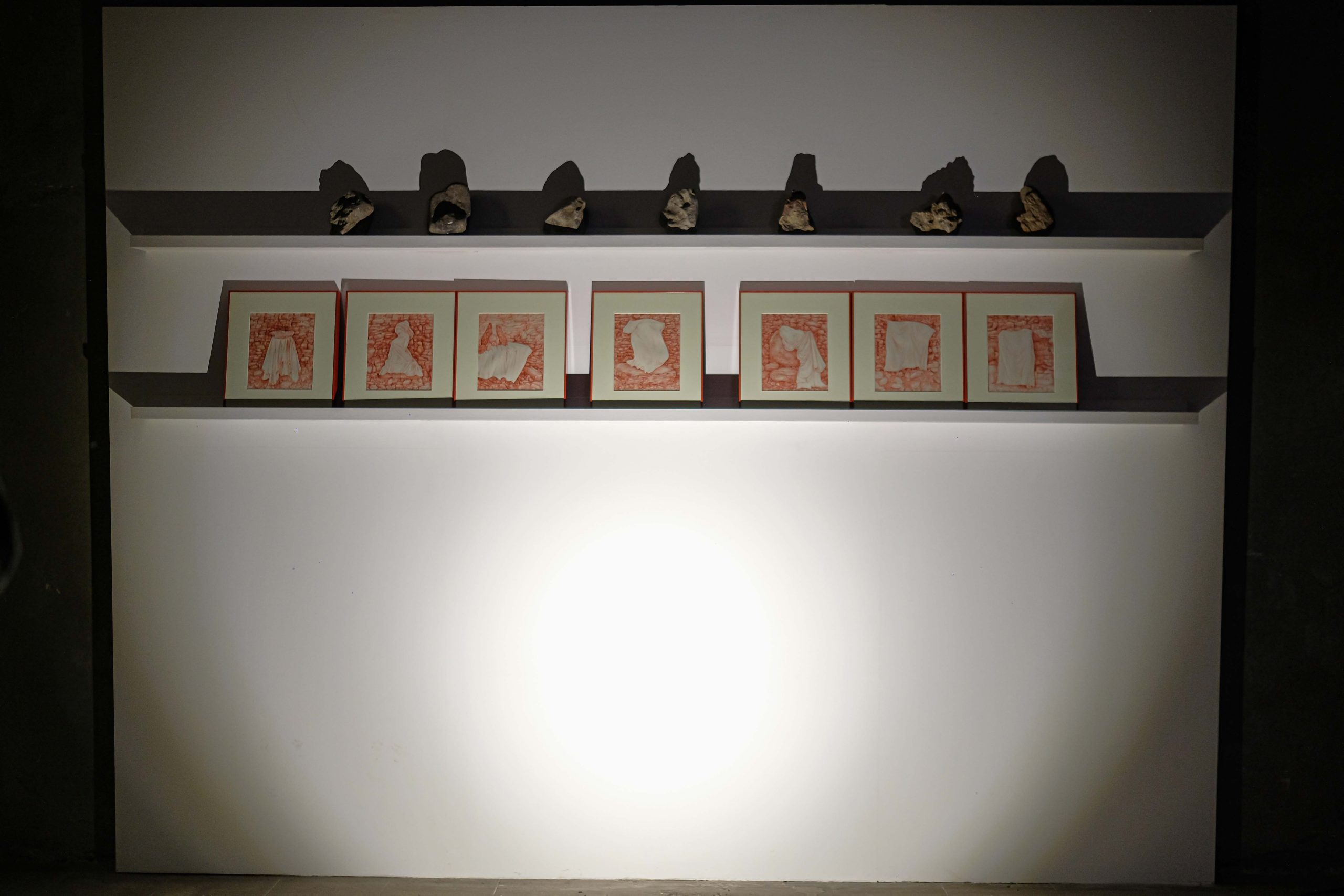
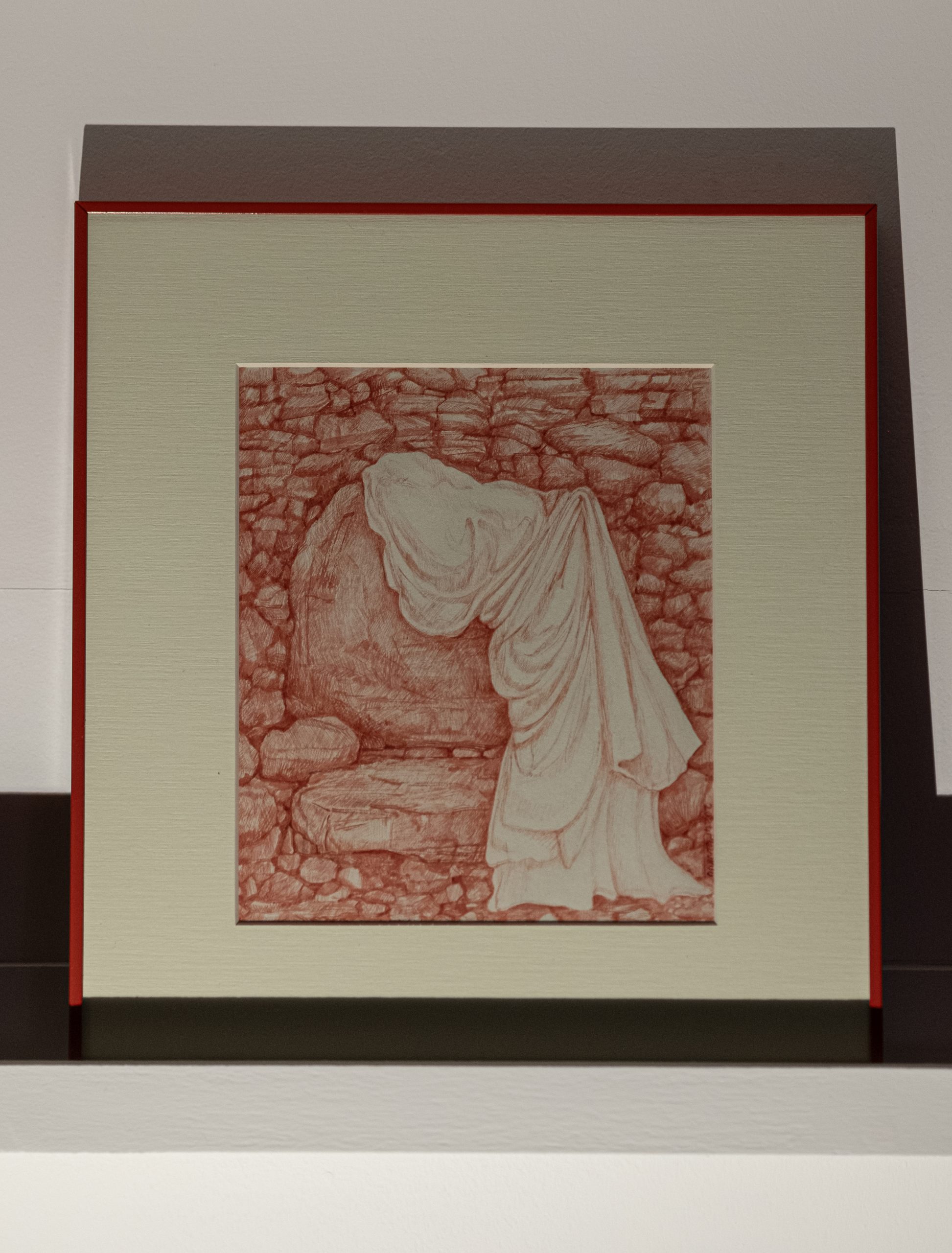
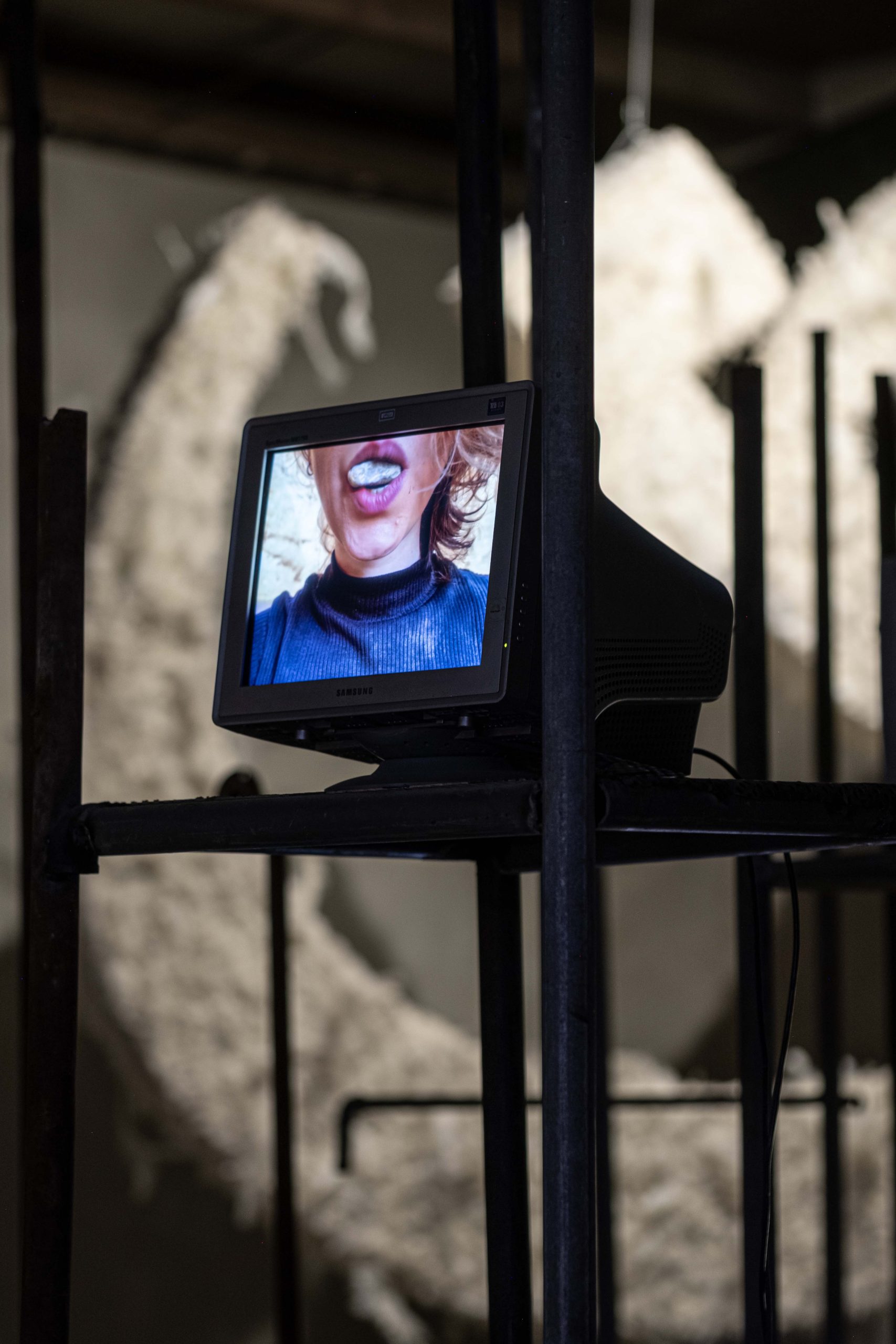
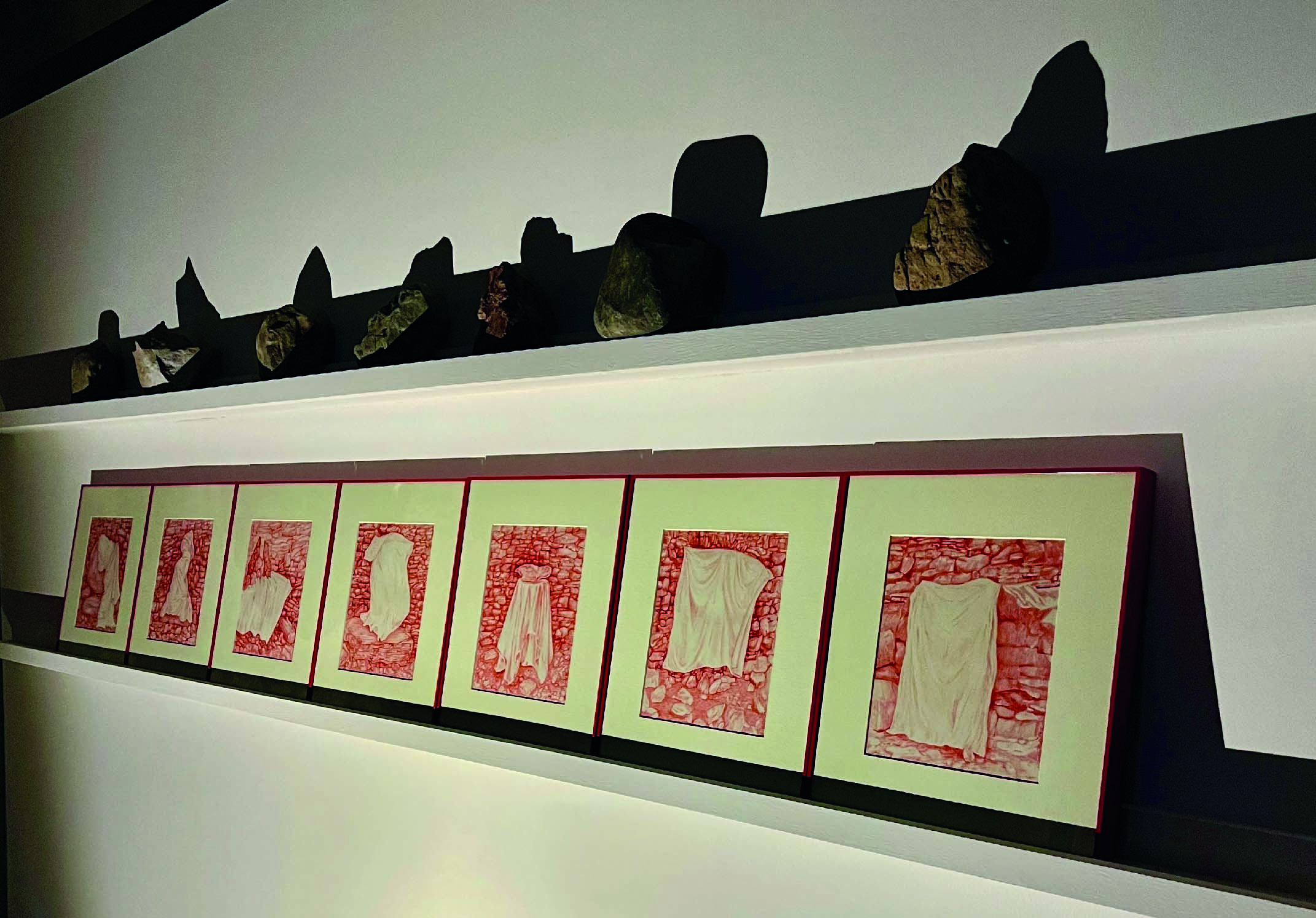
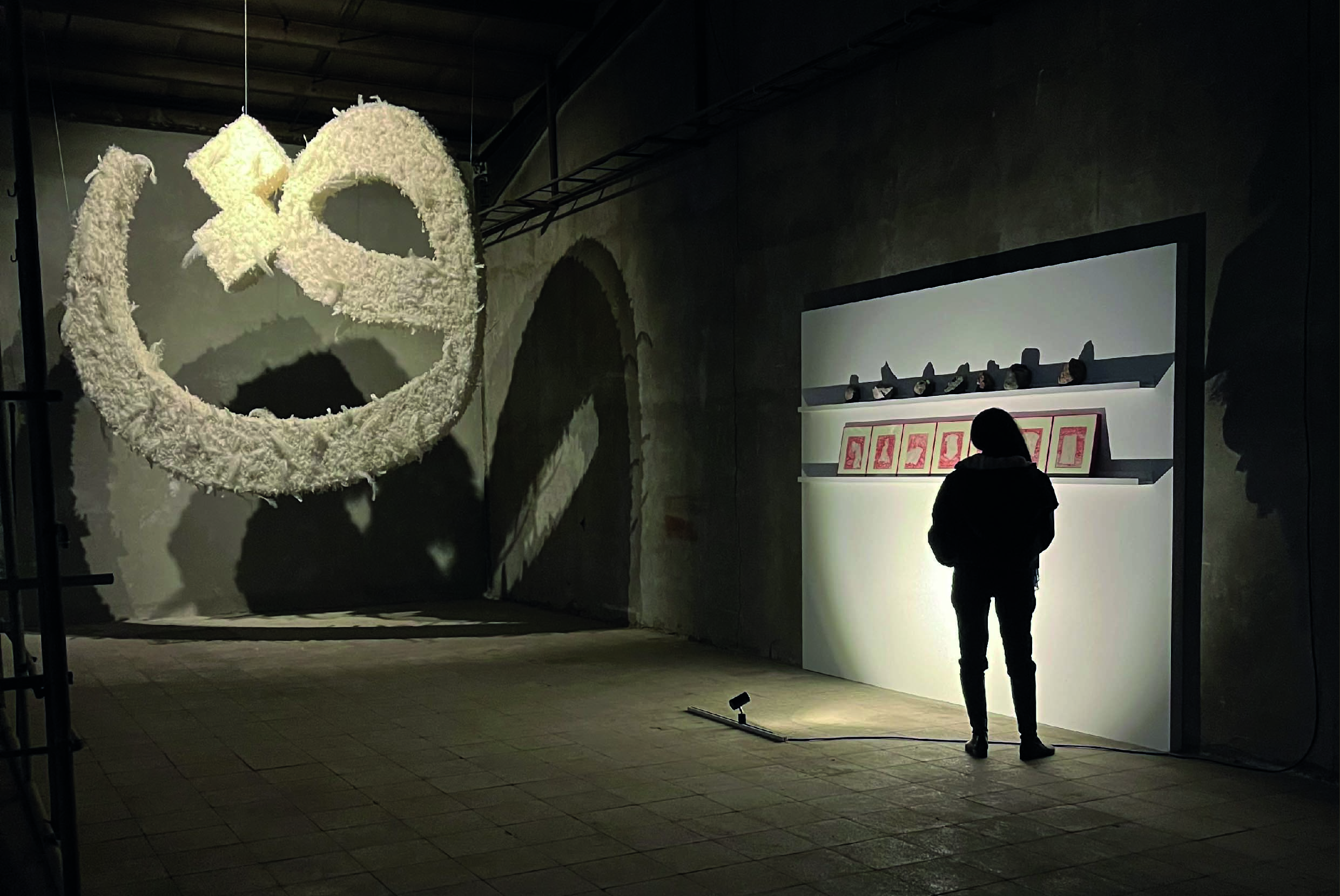
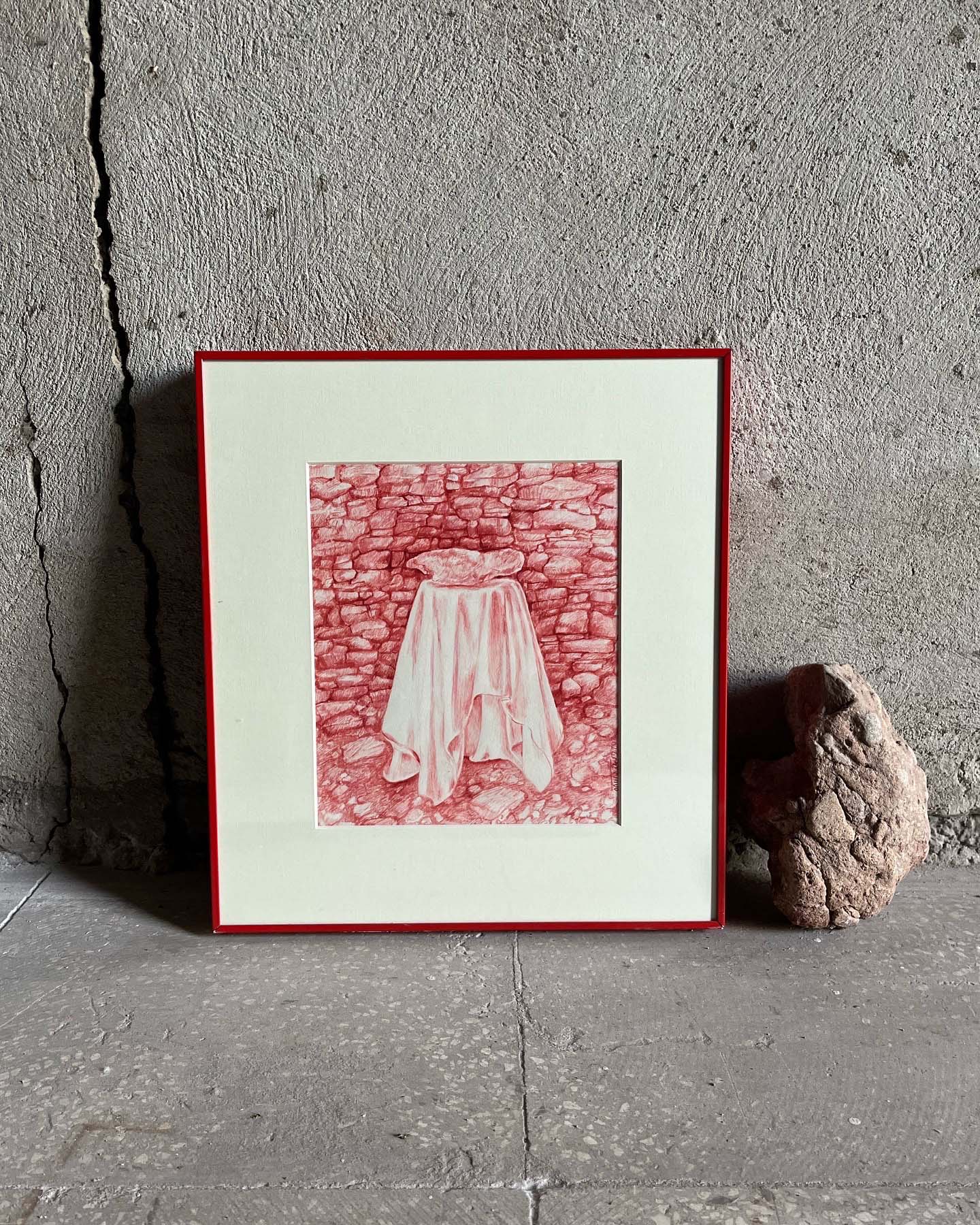
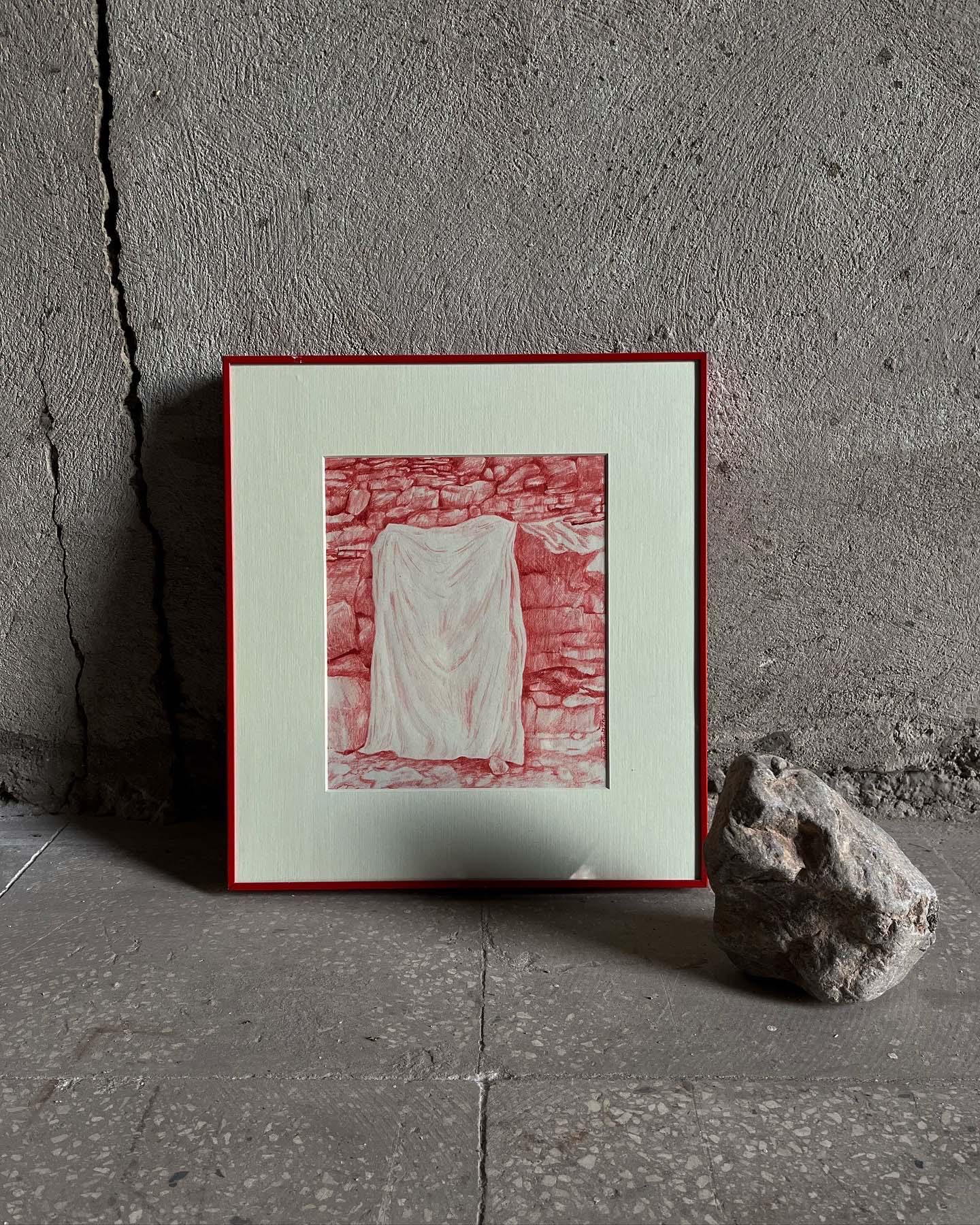
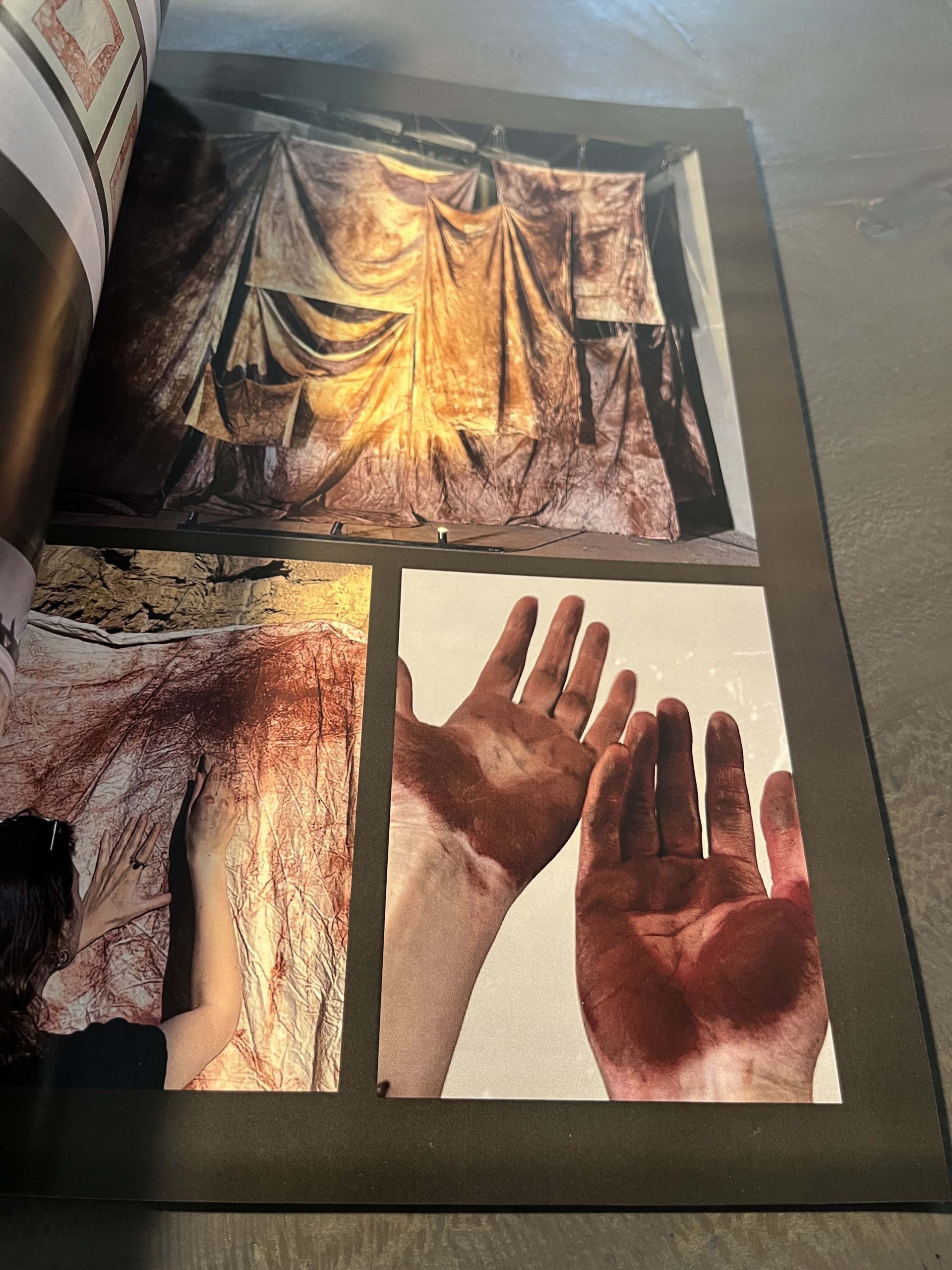
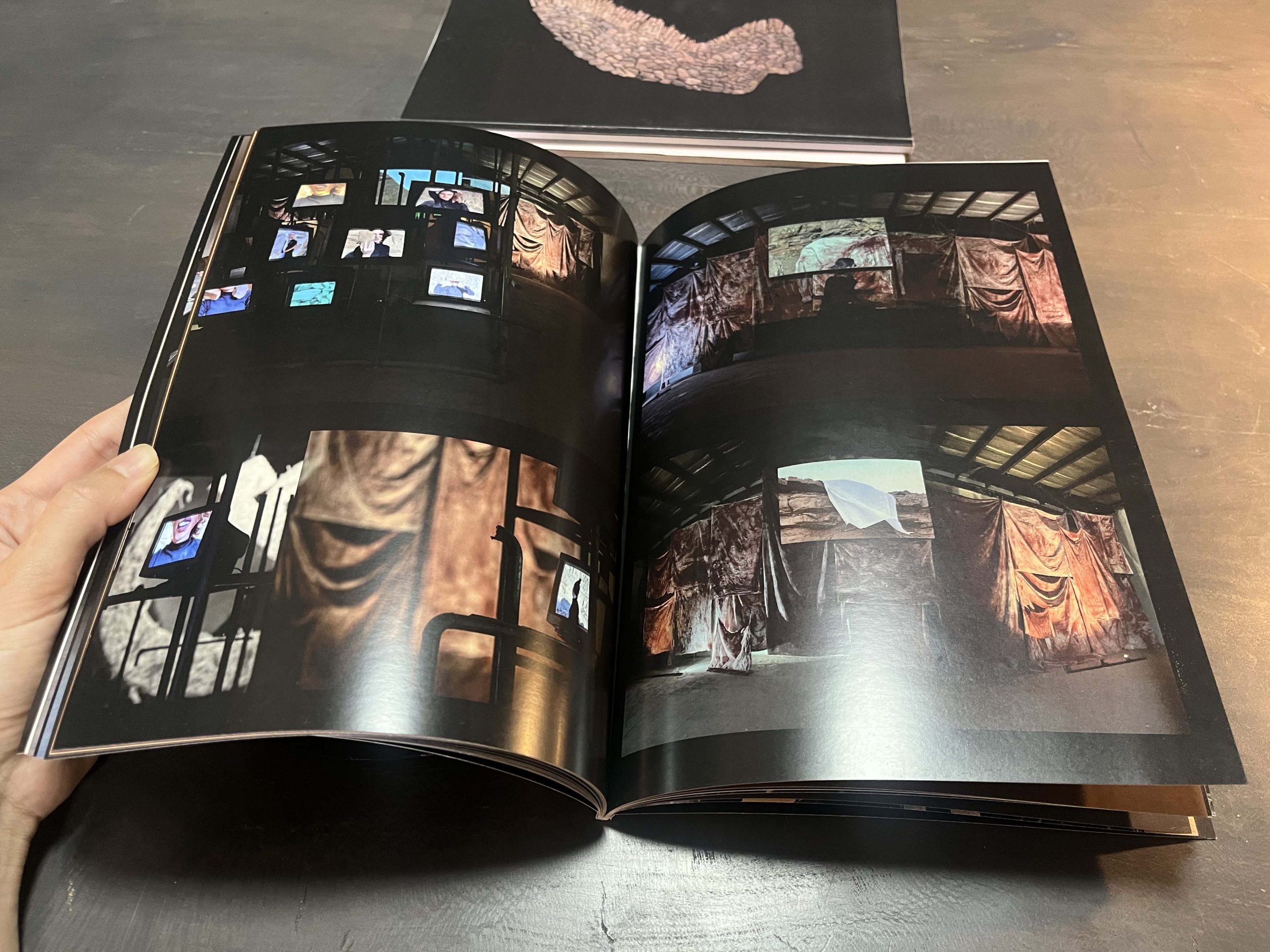
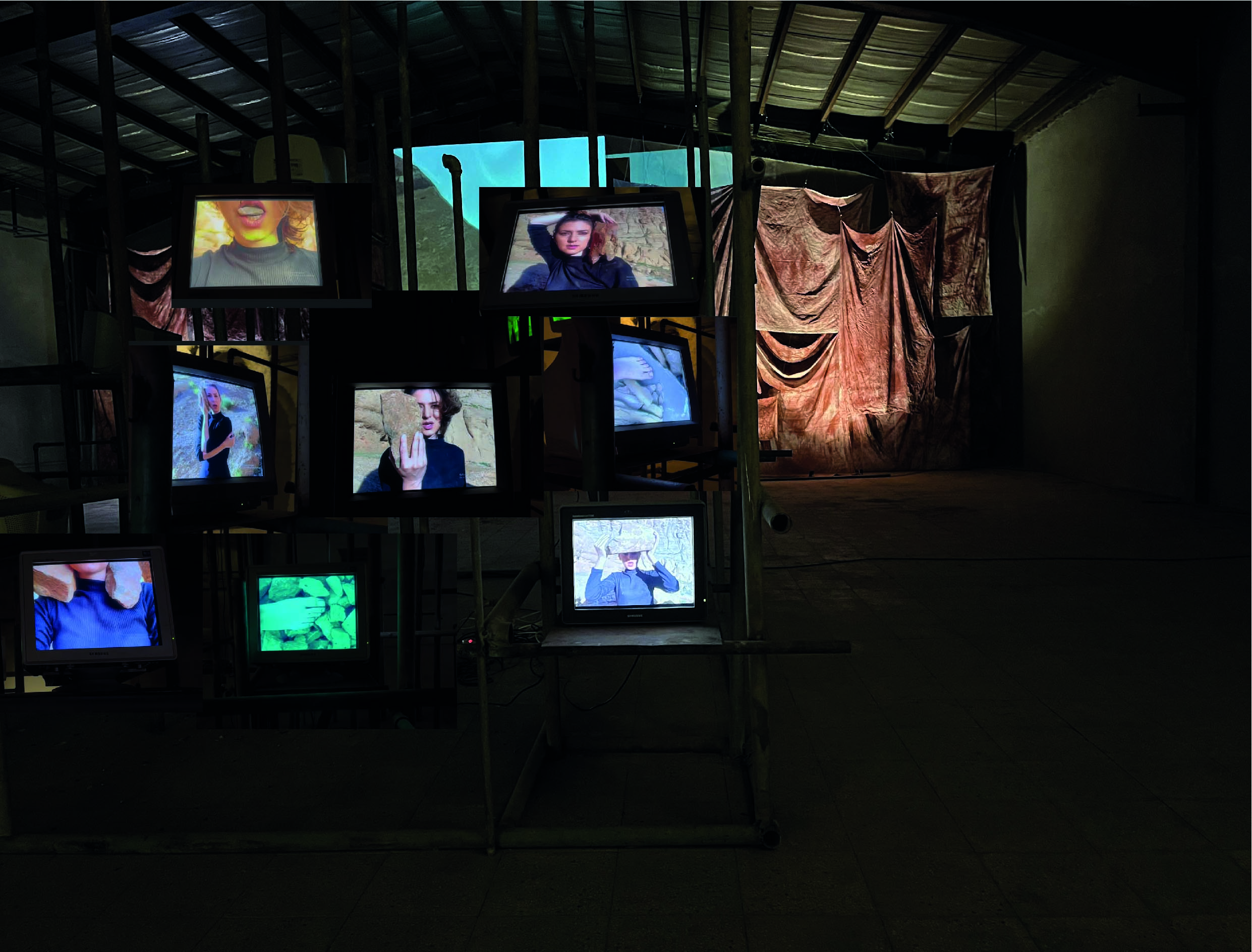
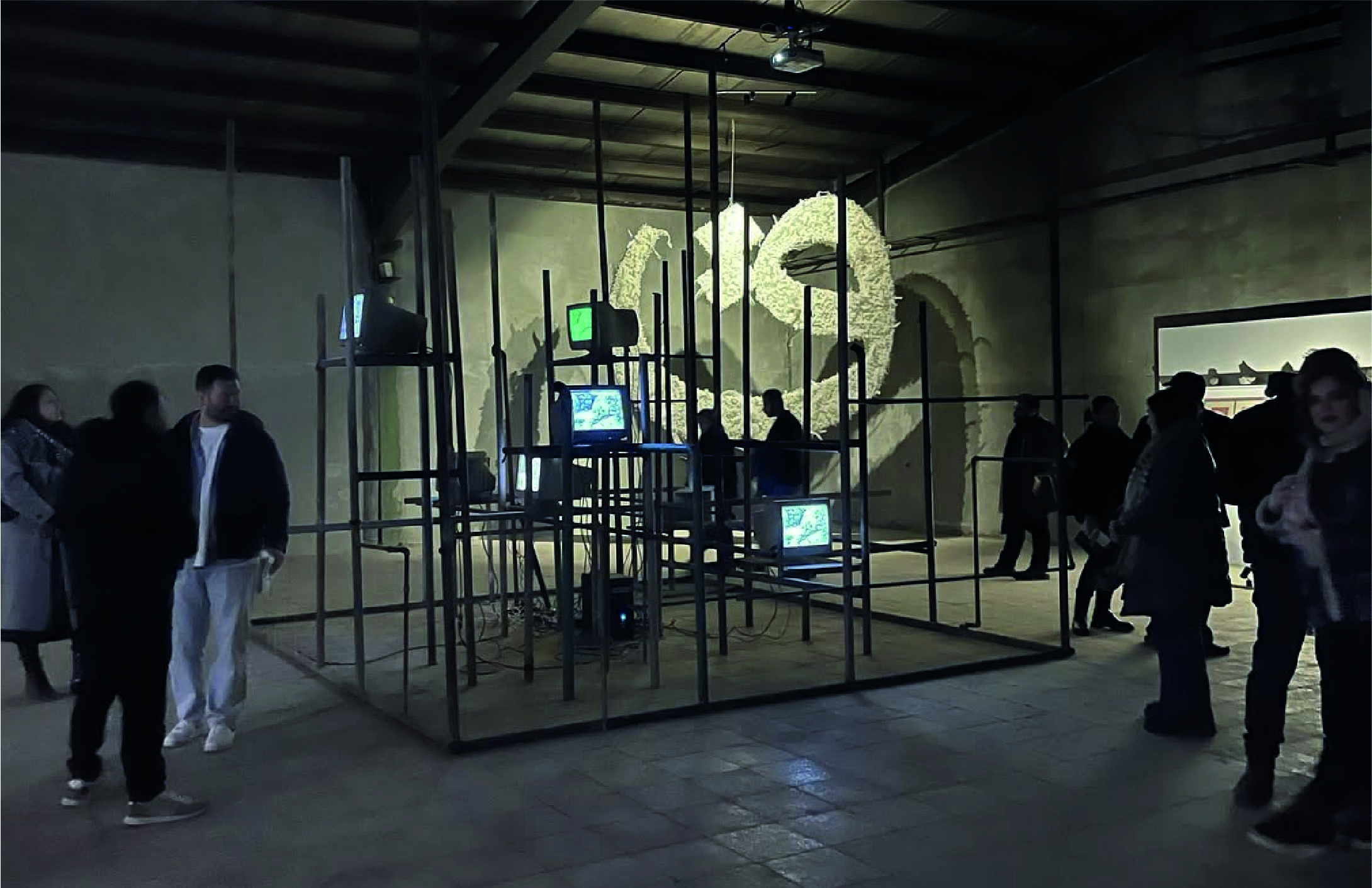
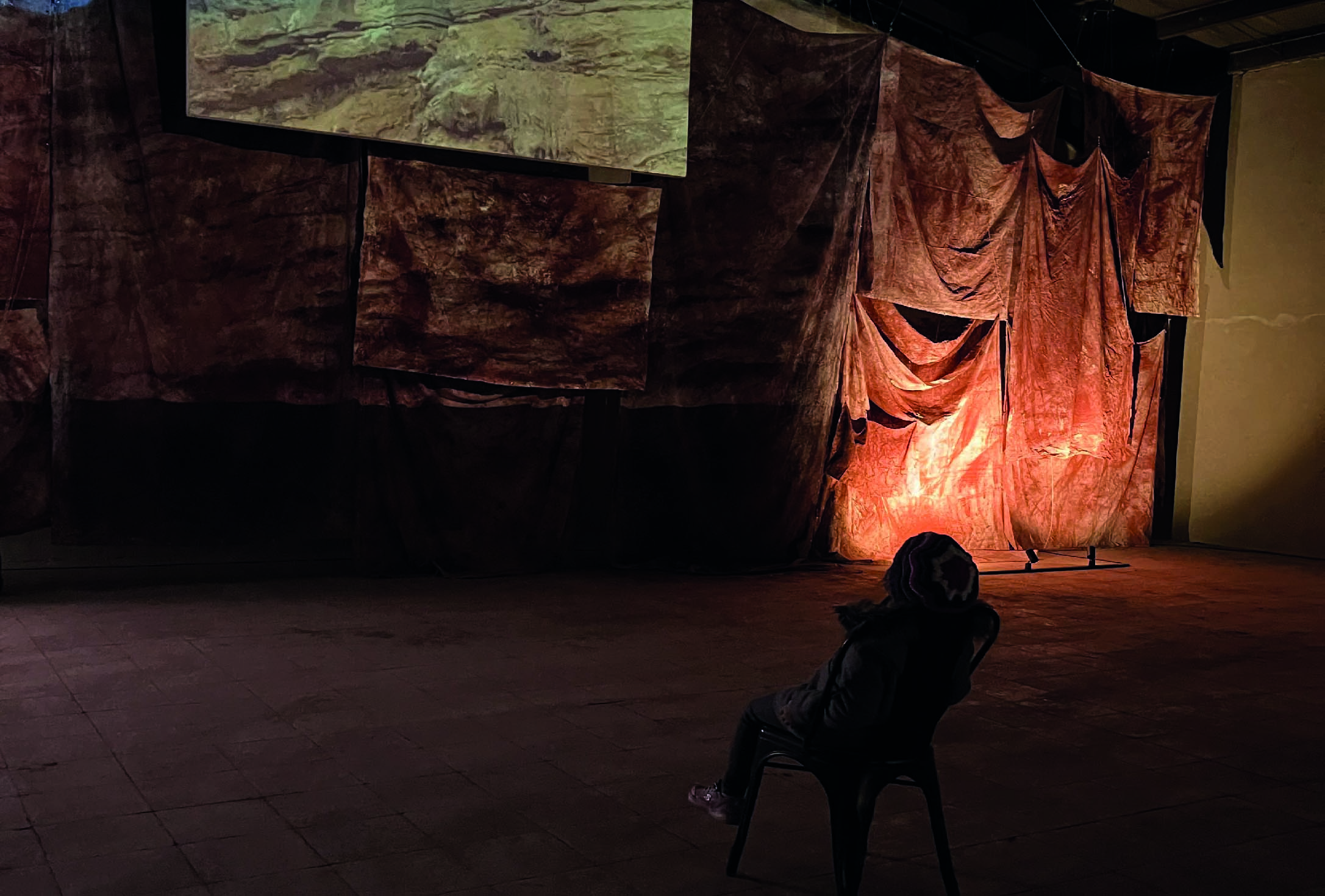
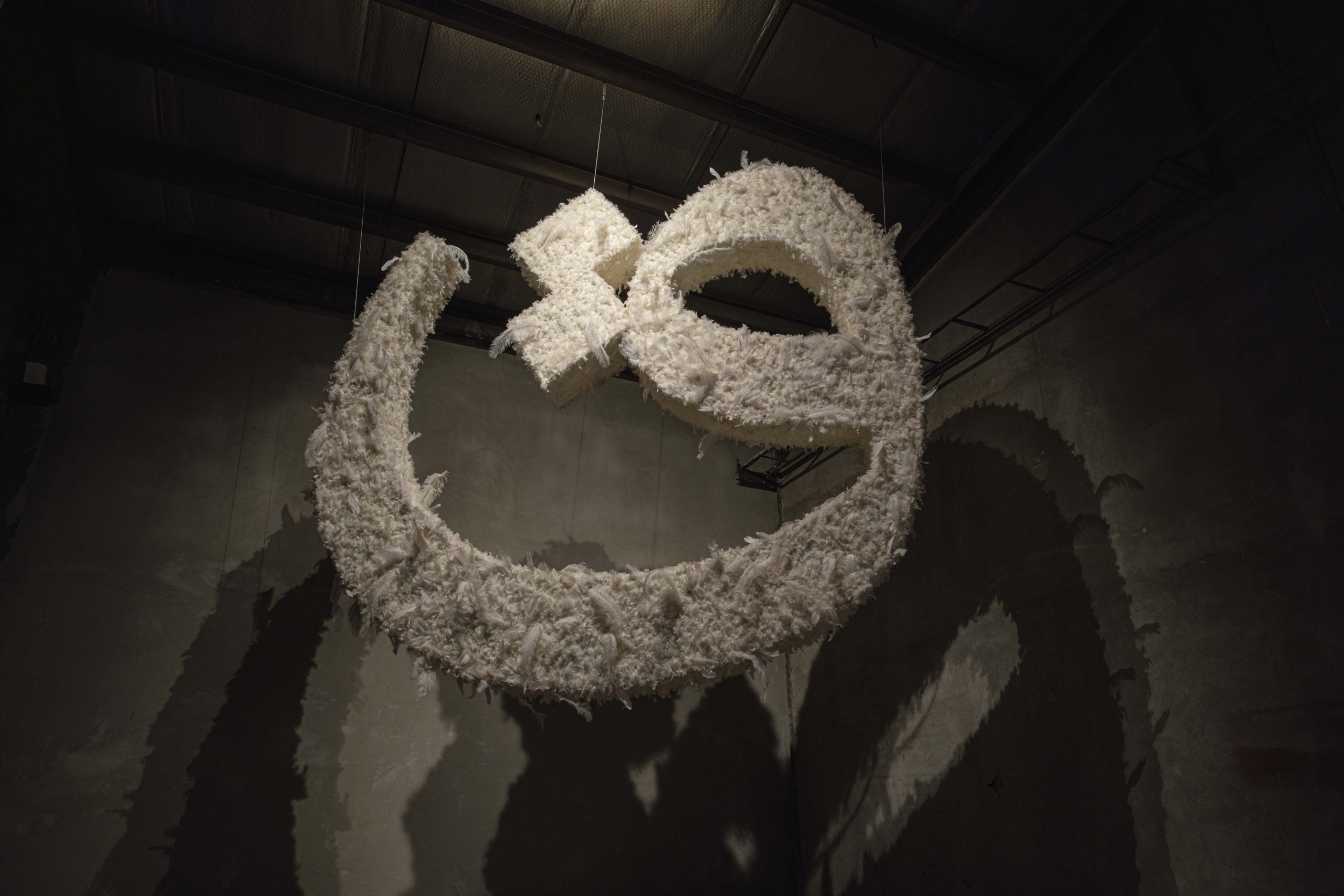
Qaf is a site-responsive project that explores landscape as a space of memory, disappearance, and unresolved histories. Rooted in the Zagros Mountains, the work emerges from a landscape where traces of life, loss, resistance, and transformation remain embedded within the terrain.For Soltani, the mountain is not merely a physical place, but a living archive that carries the memories of human and non-human presences. The landscape becomes a witness to what has vanished and to what continues to endure.The project investigates absence not as emptiness, but as a presence in itself. Through physical engagement with stone and terrain, Soltani attempts to record what cannot be recovered: the traces of disappeared lives, altered landscapes, and forgotten narratives. The act of making becomes an encounter between the body and the land, where friction, repetition, and endurance create a visual language of memory.
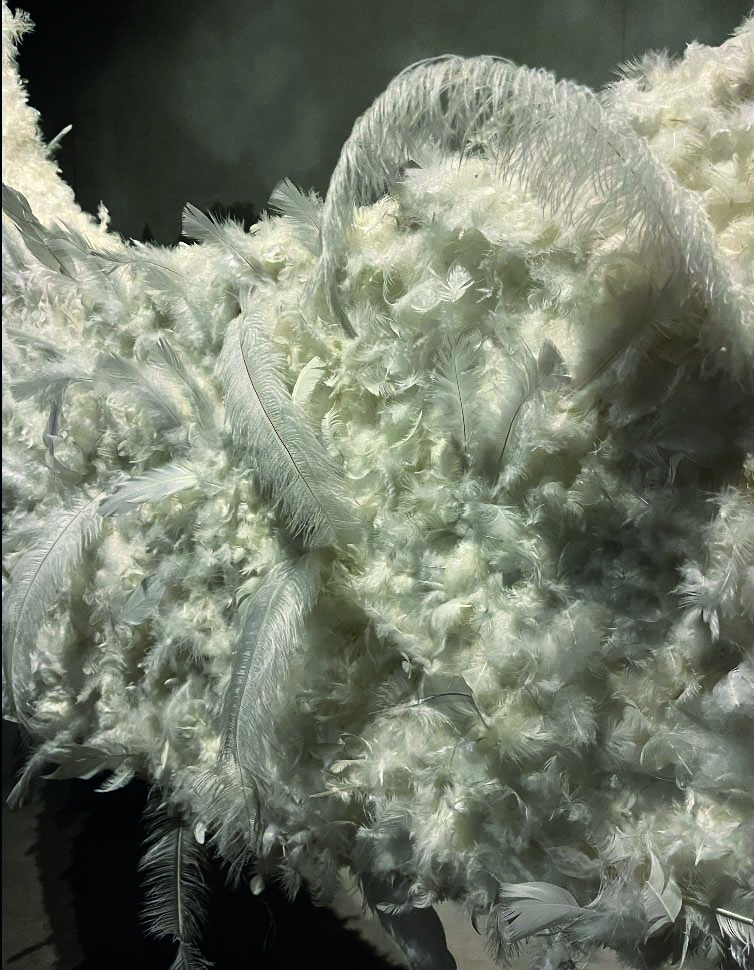
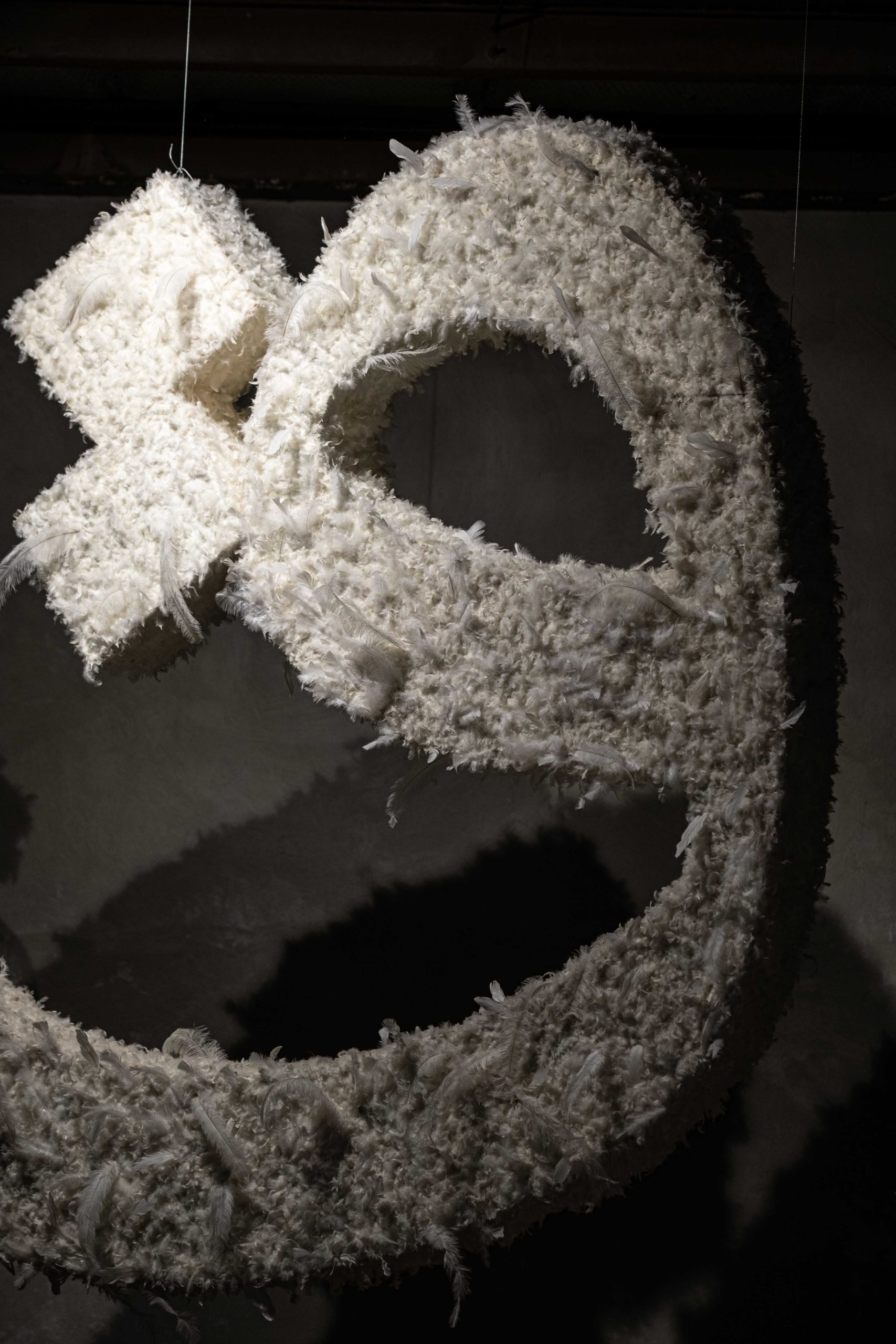
The title Qaf refers to the mythical mountain of Persian narratives, a place associated with the boundaries between the known and the unknown. In this work, Qaf becomes a metaphorical landscape where memory, mythology, and lived experience converge. The process of creating the work is inseparable from its meaning. Through the body’s repeated contact with stone, the artist transforms physical effort into a record of time and presence. The resulting landscape is not a representation of a place, but a trace of an encounter with it.Qaf — Landscape of Absence* reflects on the fragile relationship between presence and disappearance, asking how landscapes remember, how wounds remain visible, and how art can become a witness to what has been lost.